| Welcome, Guest |
You have to register before you can post on our site.
|
| Online Users |
There are currently 62 online users.
» 0 Member(s) | 53 Guest(s)
Ahrefs, Amazon, Applebot, Bing, Claude, Google, Semrush, Trendiction
|
| Latest Threads |
Identifying and Sourcing ...
Forum: Parts , Attachments & Tools
Last Post: MikePhua
01-07-2026, 06:29 PM
» Replies: 0
» Views: 534
|
Cat 931B Brake Parts
Forum: Parts , Attachments & Tools
Last Post: MikePhua
01-07-2026, 06:29 PM
» Replies: 0
» Views: 285
|
Choosing Between Cat 228,...
Forum: General Discussion
Last Post: MikePhua
01-07-2026, 06:28 PM
» Replies: 0
» Views: 571
|
Hydraulic Delay When Lowe...
Forum: Troubleshooting & Diagnosing
Last Post: MikePhua
01-07-2026, 06:27 PM
» Replies: 0
» Views: 450
|
Bale Chopper and Mulcher ...
Forum: General Discussion
Last Post: MikePhua
01-07-2026, 06:26 PM
» Replies: 0
» Views: 333
|
Mini UC Maintenance
Forum: General Discussion
Last Post: MikePhua
01-07-2026, 06:25 PM
» Replies: 0
» Views: 319
|
Locating Wiring Informati...
Forum: General Discussion
Last Post: MikePhua
01-07-2026, 06:24 PM
» Replies: 0
» Views: 352
|
Case Industrial Brown Sub...
Forum: Parts , Attachments & Tools
Last Post: MikePhua
01-07-2026, 06:23 PM
» Replies: 0
» Views: 279
|
Dirt Work in West Virgini...
Forum: Construction & Urban Infrastructure Forum
Last Post: MikePhua
01-07-2026, 06:23 PM
» Replies: 0
» Views: 380
|
D207 P Hydraulic Steering...
Forum: Parts , Attachments & Tools
Last Post: MikePhua
01-07-2026, 06:22 PM
» Replies: 0
» Views: 305
|
|
|
| Bobcat T140 Left Track Won’t Turn Forward Until Hydraulic System Warms |
|
Posted by: MikePhua - 08-17-2025, 01:30 PM - Forum: Troubleshooting & Diagnosing
- No Replies
|
 |
Overview
The Bobcat T140 compact track loader is a durable and efficient machine widely used for construction, landscaping, and heavy-duty material handling. Some operators experience a common issue where the left track does not move forward until the hydraulic system reaches normal operating temperature. This behavior can impact productivity and maneuverability, especially in colder conditions or initial start-up periods.
Common Causes - Thick Hydraulic Fluid During Cold Start
When hydraulic fluid is cold, its viscosity increases, making it harder to flow through valves and lines. This restricts hydraulic motor performance temporarily, resulting in one track not moving forward.
- Hydraulic Pump or Valve Internal Leakage
Worn or leaking hydraulic pumps, relief valves, or directional control valves may delay pressure build-up on the affected track motor during cold starts, causing delayed movement until system warms.
- Hydraulic Motor Stiffness
The sealed hydraulic motors on the tracks may face increased internal resistance at low temperatures or after inactivity. This added friction reduces initial responsiveness.
- Flow Divider or Track Control Valve Malfunction
The flow divider valve or track steering valve that distributes hydraulic fluid may malfunction or stick when cold, causing uneven flow between tracks.
Diagnostic and Troubleshooting- Check Hydraulic Fluid Condition and Level
Use manufacturer-recommended fluids with proper viscosity for ambient temperature ranges. Low or contaminated fluid exacerbates cold start issues.
- Inspect Track Hydraulic Lines and Connections
Look for leaks, kinks, or blockages restricting fluid flow primarily to the affected track circuit.
- Test Hydraulic Pump Pressure and Flow
Measure system pressure during cold and warm operating conditions to identify slow pressure build-up or leaks.
- Evaluate Valve Operation
Inspect and clean track directional control valves and flow dividers; replace defective components.
- Monitor Temperature Impact
Observe system response as the machine warms. Operating hydraulic fluid heaters or summer-grade oils might improve start-up performance.
Maintenance Suggestions- Use hydraulic fluids specified for the coldest expected temperatures to maintain fluidity.
- Perform routine hydraulic system flushes and filter replacements to prevent contamination and sludge buildup.
- Lubricate and service control linkages and valves regularly.
- Allow machine warm-up time in cold conditions before heavy operation.
User Experiences
Some operators report needing to “crawl” to warm the hydraulic system before the left track functions fully forward. After system warm-up, movement smooths out, and no further delay occurs. Others found that replacing old fluid with correct viscosity oil substantially reduced cold start sluggishness. Track valve cleaning has also resolved similar issues.
Terminology- Viscosity: Fluid’s resistance to flow; higher viscosity means thicker fluid.
- Flow Divider: Valve splitting hydraulic flow equally to track motors to ensure balanced movement.
- Directional Control Valve: Valve that directs hydraulic flow to actuators like motors and cylinders.
- Hydraulic Motor: Device converting hydraulic fluid pressure into mechanical rotational force to drive tracks.
- Cold Start: Initial machine operation period at low ambient temperature when systems have not warmed.
Summary
The Bobcat T140’s left track failure to move forward until the hydraulic system warms is commonly due to cold thick hydraulic fluid, worn valves, or pump inefficiencies. Ensuring correct fluid specifications, maintaining hydraulic components, and allowing warm-up improves machine reliability and operator confidence. Addressing these issues promptly preserves the machine’s full-functioning capability in variable temperature environments.
|

|
|
| Kobelco SK210 Pump Problem and Troubleshooting |
|
Posted by: MikePhua - 08-17-2025, 01:29 PM - Forum: Troubleshooting & Diagnosing
- No Replies
|
|
Excavators are vital machines on construction sites, providing the muscle required for digging, lifting, and various other tasks. Among the many components that ensure their functionality, the hydraulic pump plays a critical role in powering the machine's hydraulics. One common issue faced by excavators like the Kobelco SK210 is pump failure, which can cause a significant reduction in machine performance and productivity.
Understanding the Kobelco SK210 Hydraulic Pump
The Kobelco SK210 is a popular model in the Kobelco lineup, known for its robustness, power, and efficiency. It is equipped with a hydraulic pump that powers the machine's various functions, from lifting the arm to swinging the boom and operating attachments. The hydraulic pump works by converting the engine's mechanical energy into hydraulic energy, which is used to move fluid through the machine's hydraulic system.
However, the pump is also one of the most prone parts to wear and tear, particularly in challenging operating conditions. Over time, the hydraulic pump can experience issues that cause the excavator to lose power or fail to perform certain tasks efficiently.
Common Symptoms of Hydraulic Pump Problems
A problem with the hydraulic pump on a Kobelco SK210 can manifest in several ways. Operators should be aware of the following symptoms, as they are often indicators of pump issues:
- Loss of Power: One of the most obvious signs of a pump problem is a loss of power during operation. If the machine struggles to lift heavy loads or perform basic functions, the pump might not be providing adequate pressure.
- Erratic Movements: Unstable or jerky movements in the boom, arm, or bucket can be caused by inconsistent fluid pressure, which may be a result of pump failure.
- Excessive Noise: A healthy hydraulic system should operate smoothly and quietly. If the pump starts making unusual sounds, such as whining or grinding, it could be an indicator that something is wrong.
- Overheating: If the hydraulic fluid is overheating, it could signal that the pump is working harder than it should. This could result in premature wear and potential failure.
- Leaking Fluid: Hydraulic fluid leaks near the pump can indicate a seal or gasket failure. Leaks can lead to a drop in pressure and reduced machine performance.
Diagnosing Kobelco SK210 Hydraulic Pump Issues
Diagnosing pump issues on the Kobelco SK210 can be complex, but there are several steps operators and technicians can follow to pinpoint the problem:
- Check the Hydraulic Fluid Level: One of the first things to check is the fluid level in the hydraulic system. Low fluid levels can cause poor pump performance, so ensuring that the fluid is at the proper level is essential.
- Inspect the Filters: Hydraulic filters play a crucial role in maintaining the health of the hydraulic system by trapping contaminants. A clogged or dirty filter can cause a drop in fluid flow, leading to pump inefficiency. Make sure the filters are clean and in good condition.
- Check for Leaks: Inspect the hydraulic system for any visible leaks, especially near the pump. Leaks can cause a drop in pressure, which directly affects the pump's performance.
- Monitor Pump Pressure: Using a pressure gauge, measure the pump's pressure output. If it is below the specified range, it could indicate an issue with the pump or the relief valve.
- Inspect the Relief Valve: The relief valve controls the maximum pressure in the hydraulic system. If the valve is faulty, it can cause over-pressurization or under-pressurization, both of which can damage the pump.
Potential Causes of Hydraulic Pump Problems
There are various reasons why a hydraulic pump might fail or operate inefficiently. Some of the most common causes include:
- Contaminated Hydraulic Fluid: Hydraulic fluid is susceptible to contamination from dirt, debris, and water. If the fluid becomes contaminated, it can damage the internal components of the pump, such as the gears or pistons, leading to failure.
- Improper Fluid Type: Using the wrong type of hydraulic fluid can cause pump issues. Ensure that the fluid is of the correct viscosity and meets the manufacturer's specifications.
- Wear and Tear: Over time, the constant pressure and fluid flow can cause parts of the hydraulic pump to wear down. This is particularly common in older machines that have logged significant operating hours.
- Overloading: Pushing the machine to its limits by overloading the bucket or attempting tasks that exceed the machine’s capacity can cause undue stress on the hydraulic pump.
- Faulty Seals or Gaskets: Damaged seals or gaskets can lead to hydraulic fluid leaks, which result in low fluid pressure. This can strain the pump, causing it to fail.
Repairing and Replacing the Hydraulic Pump
Once a problem has been diagnosed, it’s time to determine whether the pump can be repaired or needs to be replaced. In some cases, minor issues such as leaking seals or dirty filters can be resolved with routine maintenance. However, if the pump has been damaged beyond repair, a replacement may be necessary.
- Repair: If the pump's internal components, such as the gears or pistons, have been damaged, the repair may involve replacing those parts. A technician will disassemble the pump, inspect the components, and replace any that are worn or damaged.
- Replacement: If the pump is beyond repair, it may be necessary to replace the entire unit. When replacing a pump, it’s essential to ensure that the new pump matches the specifications of the original to avoid compatibility issues.
- Hydraulic System Flush: After replacing or repairing the pump, it’s recommended to flush the hydraulic system to remove any debris or contaminants that may have entered during the repair process.
Preventative Maintenance for the Kobelco SK210
To avoid pump issues in the future, operators should follow a regular maintenance schedule to ensure the longevity of the hydraulic system. Some key maintenance tips include:
- Regular Fluid Changes: Change the hydraulic fluid at the intervals specified by the manufacturer to keep the system running smoothly.
- Clean the Filters: Replace or clean hydraulic filters regularly to prevent contaminants from entering the system.
- Monitor Fluid Levels: Always ensure that the hydraulic fluid is at the proper level to avoid pump damage due to low fluid.
- Check for Leaks: Regularly inspect the hydraulic system for leaks and repair any issues promptly to prevent further damage.
- Keep the Machine Clean: Mud, dirt, and debris can clog the hydraulic system. Clean the undercarriage and components of the machine frequently to prevent contamination.
Conclusion
The hydraulic pump is an essential component of the Kobelco SK210 and other excavators. Identifying and addressing pump issues early on can help prevent costly repairs and downtime. By understanding the common symptoms, causes, and troubleshooting steps associated with hydraulic pump problems, operators can ensure that their machine continues to perform at its best. Regular maintenance and proper care are key to extending the life of the hydraulic system and avoiding pump failure.
|
|
|
|
| Bobcat 941 Pedal Steering System Explained |
|
Posted by: MikePhua - 08-17-2025, 01:29 PM - Forum: General Discussion
- No Replies
|
|
Overview
The Bobcat 941 is a skid steer loader model well-known for its versatility and maneuverability in construction, landscaping, and agricultural applications. One distinguishing feature is its pedal steering system, which allows the operator to control the machine’s direction and movement using foot pedals rather than or alongside traditional hand levers or joysticks.
Function of Pedal Steering
The pedal steering system involves two foot pedals, one controlling the left track or wheel group and the other controlling the right. These pedals allow independent speed and direction control of each side, enabling precise turns, pivots, and tight maneuvers. By applying more pressure on one pedal, the operator can slow or reverse one side while the other side continues forward, allowing smooth arcs or zero-radius turns.
Advantages of Pedal Steering - Enhanced Maneuverability
Pedal steering offers fine control, especially useful in confined spaces, enabling the Bobcat to pivot nearly on the spot.
- Operator Intuitiveness
For operators familiar with vehicles requiring foot-based controls like braking, pedals can feel more natural than hand controls for steering.
- Separate Control of Speed and Direction
Operators can modulate speed on each side independently, improving traction and reducing tire wear or track slippage.
Differences from Lever or Joystick Steering- Lever or joystick controls require manual hand coordinate movements to control tracks or wheels, often doubling as hydraulic control for attachments.
- Pedal steering offloads directional control to foot pedals, freeing hands to focus on attachment operation or other controls.
- Modern skid steers might combine joystick controls for driving with electronic pedal input or offer fully integrated joystick movement combining both steering and speed.
Technical Mechanism- The pedals actuate hydraulic valves or electronic sensors, converting mechanical foot pressure into throttle signals for each track’s drive motor or hydraulic circuit.
- Load-sensing hydraulic systems ensure smooth response, adjusting torque to tracks for controlled acceleration or deceleration.
- Pedal feedback often includes spring resistance to provide operator tactile awareness and prevent over-application.
Operating Tips- Use both pedals in tandem to gently carve turns or quick stopping maneuvers.
- Practice pedal modulation to improve control on slippery or uneven surfaces.
- Avoid aggressive, rapid pedal movement that can cause unnecessary wear on tracks and drivetrain.
User Experience
Operators transitioning from traditional hand controls to pedal steering often appreciate the ergonomic benefit of freeing their hands for attachment manipulation. Some users report initially needing time to coordinate foot actions independently, but with practice, control becomes smooth and intuitive. Pedals also facilitate extended operation durations by distributing workload between hands and feet.
Glossary- Skid Steer Loader: Small engine-powered machine with pivoting wheels or tracks controlled independently for zero-radius turns.
- Pedal Steering: Directional machine control method using foot pedals to manage independent track or wheel speeds.
- Hydrostatic Drive: Power transmission through pressurized hydraulic fluid to motors driving wheels or tracks.
- Load Sensing: Hydraulic system capability to adjust pressure and flow based on demands, aiding smooth control.
- Zero Radius Turn: Turning in place without forward or backward movement, achieved by opposing track or wheel rotations.
Summary
The Bobcat 941 pedal steering system delivers precise, intuitive control, enhancing maneuverability in tight jobsite environments. By separating directional control to foot pedals, the operator gains ergonomic benefits and refined machine handling. Understanding the system’s function and practicing control techniques help maximize productivity and machine longevity in varied working conditions.
|
|
|
|
| Challenges of Dealing with Greasy Suction Mud in Excavation Projects |
|
Posted by: MikePhua - 08-17-2025, 01:28 PM - Forum: General Discussion
- No Replies
|
|
Excavation projects often bring challenges that go beyond the typical dirt and debris. One of the more difficult conditions that operators can face is dealing with "greasy suction mud," a term used to describe a particularly sticky and slippery type of mud that can clog equipment and make the job more hazardous. Understanding the nature of greasy suction mud and how to effectively manage it is essential for the efficiency and longevity of equipment, as well as the safety of workers.
What is Greasy Suction Mud?
Greasy suction mud refers to a type of mud that is both viscous and highly adhesive. It has a thick, gooey texture that can easily accumulate in the undercarriage and suction systems of heavy equipment like excavators, loaders, and bulldozers. This type of mud is often found in wetland areas, construction sites with poor drainage, or regions affected by heavy rainfall. It can be particularly troublesome when working on soft soil or in marshy environments, where the ground is saturated with water.
The "greasy" aspect of this mud comes from the high concentration of fine clay particles and organic material, which can create a slick surface that makes it hard for machines to gain traction. The term "suction" refers to the mud’s ability to adhere to machinery surfaces, clogging filters, suction lines, and other important components of excavation equipment.
Why is Greasy Suction Mud Problematic?
There are several reasons why greasy suction mud presents a major challenge during excavation:
- Clogged Equipment: Greasy mud can easily block the hydraulic systems of machinery, especially suction lines, filters, and coolers. This can lead to overheating, power loss, and reduced efficiency of the equipment.
- Reduced Traction: The sticky nature of greasy mud can prevent equipment from moving easily on the worksite. Tracks or tires can become coated in mud, reducing the ability to maneuver, and causing the equipment to get stuck.
- Increased Wear and Tear: Continuous exposure to greasy mud can result in accelerated wear on various machine components. This includes seals, hoses, and other parts that are constantly coming into contact with the sticky material.
- Safety Hazards: In addition to mechanical problems, greasy suction mud can create hazardous conditions on the worksite. Operators are at an increased risk of slips, falls, and accidents as the mud can be slippery, and the equipment may become unstable or stuck, requiring additional effort to free it.
How to Manage Greasy Suction Mud
Dealing with greasy suction mud requires a combination of proactive maintenance, proper technique, and the right equipment. Below are some of the most effective ways to manage the issue:
1. Proper Equipment Selection
Certain types of machinery are better suited for working in wet, muddy conditions. Track-type machines, like crawlers and rubber-tracked excavators, are generally more stable than wheeled equipment in greasy mud. They have a larger surface area that distributes the weight of the machine more evenly, reducing the likelihood of sinking into soft mud.
Additionally, using specialized equipment like trenchers and backhoes with attachments designed to handle muck or clay can make the job easier. Some machines are also equipped with larger, high-clearance tracks that help prevent them from becoming bogged down in thick mud.
2. Frequent Cleaning and Maintenance
When working in muddy conditions, it is essential to clean the equipment frequently to prevent the buildup of greasy suction mud. Operators should regularly clean out the undercarriage, filters, and suction systems to prevent clogs and overheating. Additionally, the use of cleaning agents or degreasers can help break down the sticky mud and make it easier to remove.
Regular maintenance checks should also be performed to ensure that components like seals, hoses, and hydraulic systems are in good working order. The last thing you want is for these vital parts to fail because of excessive wear from prolonged exposure to greasy mud.
3. Mud Removal Techniques
Several techniques can help operators remove excessive mud buildup from equipment. One of the most effective methods is to use high-pressure water to flush out the suction system and undercarriage. Water pressure helps dislodge thick mud from difficult-to-reach areas. Be sure to use water sparingly, as overuse can lead to erosion and environmental concerns.
For especially sticky mud, there are also specialized mud removal products available that can help break down the adhesion. These are often used in conjunction with pressure washers to ensure the equipment remains clean and functional.
4. Ground Stabilization
One way to minimize the impact of greasy suction mud is by stabilizing the ground before excavation begins. Adding sand, gravel, or other drainage materials can help improve soil conditions and prevent the ground from becoming too saturated. This can also reduce the formation of sticky mud, making it easier for equipment to operate.
If possible, operators can also use mats or other ground protection materials to reduce direct contact with the greasy mud, providing a more stable foundation for the equipment.
5. Use of Mud Flaps and Guards
Another option for preventing the buildup of greasy mud on tracks and undercarriages is to install mud flaps or guards. These accessories can help keep the worst of the mud off key components, preventing clogs and wear. Mud guards are especially useful for maintaining traction and ensuring that the tracks or wheels remain functional during work in wet conditions.
Precautionary Measures for Safety
Beyond equipment management, safety should always be a priority when working in greasy suction mud. Here are some precautionary steps:- Footwear: Ensure that all workers are wearing slip-resistant boots or shoes designed for wet conditions. This will help reduce the risk of slipping on slick surfaces.
- Worksite Organization: Mark off areas that are particularly prone to becoming muddy and ensure that the site is well-drained to prevent further buildup of greasy mud.
- Monitoring Equipment: Regularly monitor the temperature and functionality of machinery during operations. If overheating or power loss is detected, stop work immediately to assess and address the issue before it causes further damage.
Conclusion: Navigating the Challenges of Greasy Suction Mud
Greasy suction mud is a persistent issue in construction and excavation that requires the right approach for managing it effectively. By selecting the right equipment, ensuring regular maintenance, using proper techniques for mud removal, and taking safety precautions, operators can minimize the impact of this troublesome material. Ultimately, successfully navigating these challenges helps improve productivity, reduce downtime, and extend the lifespan of expensive equipment.
For contractors working in wet or marshy environments, understanding the specific needs of greasy suction mud is essential to maintaining a smooth, efficient operation. The use of specialized equipment and techniques tailored to these conditions will help ensure that projects are completed on time, within budget, and without excessive mechanical issues.
|
|
|
|
| The 1959 TD15 International Drott Loader: A Classic in Heavy Equipment |
|
Posted by: MikePhua - 08-17-2025, 01:27 PM - Forum: General Discussion
- No Replies
|
|
The 1959 TD15 International Drott Loader is a vintage piece of machinery that continues to be revered by collectors and heavy equipment enthusiasts alike. Built by the International Harvester Company (IHC), this loader is a testament to the company's historical role in shaping the heavy equipment industry. Over the years, the TD15 has earned a reputation for its ruggedness and reliability, making it a sought-after machine for both collectors and those who appreciate vintage equipment.
The International Harvester Company: A Brief Overview
Before diving into the details of the TD15 loader, it's essential to understand the history of International Harvester, the company that produced it. Founded in 1902, International Harvester was a dominant force in the development of agricultural machinery and construction equipment. It became known for its tractors, trucks, and industrial equipment, playing a pivotal role in revolutionizing farming and construction industries.
International Harvester's machines were known for their durability and ability to handle tough jobs, which made them popular worldwide. In 1985, the company was restructured, and its agricultural and construction equipment divisions were sold off, but the legacy of their machines lives on. The TD15 is one such example of a piece of equipment that has endured the test of time.
The 1959 TD15 International Drott Loader: A Classic Workhorse
The TD15 is a track-type loader, equipped with a powerful engine and rugged undercarriage designed to handle tough construction, mining, and earth-moving jobs. In its era, it was a reliable machine for digging, lifting, and transporting heavy materials. The "Drott" name refers to the loader's special attachment for lifting, and these machines were often equipped with a bucket, blade, or other attachments, making them versatile in a variety of applications.
Key Features of the TD15 Loader: - Engine Power: The TD15 featured a 4-cylinder diesel engine, delivering substantial horsepower for the tasks it was designed for. This engine was robust and capable of powering through demanding projects.
- Hydraulic System: The machine was equipped with a hydraulic system that allowed for smooth operation of its loader arms and attachments. The hydraulic system was one of the key innovations that improved the machine's performance compared to older mechanical systems.
- Track-Type Undercarriage: The TD15 used a track undercarriage, which was ideal for rough, uneven terrain. Tracks distribute the weight of the loader evenly, preventing the machine from sinking into soft or unstable ground.
- Drott Lifting Mechanism: The loader was designed with a lifting mechanism known as the "Drott." This allowed the loader to lift heavy loads with greater efficiency, making it ideal for construction, mining, and forestry applications.
Common Problems and Maintenance for the TD15
Like any vintage machinery, the 1959 TD15 is not without its challenges. As these machines age, they require more frequent maintenance and sometimes specific parts to keep them running smoothly. Below are some of the common problems faced by owners of the TD15 and how to address them:
1. Engine Performance Issues
Over time, the engine of the TD15 can experience a decrease in power or efficiency due to wear and tear. Common issues include clogged fuel filters, dirty air filters, and outdated fuel injectors. Regular engine maintenance, including filter replacement and fuel system cleaning, is crucial for maintaining optimal performance.
Solution: Keep the engine well-maintained by replacing filters and performing regular oil changes. If the engine is showing significant signs of wear, consider rebuilding or replacing the engine if necessary.
2. Hydraulic System Leaks
The hydraulic system, which powers the loader’s lifting arms, is another area that can develop issues over time. Hydraulic leaks are common in older machines and can lead to a loss of power and efficiency. The hoses, pumps, and cylinders can all be vulnerable to leaks as they age.
Solution: Inspect the hydraulic system regularly for leaks and replace any damaged hoses or seals. It's also important to ensure the hydraulic fluid is at the proper level and that the fluid is changed regularly to prevent contamination.
3. Undercarriage Wear
The track-type undercarriage is a key feature of the TD15, but it can be prone to wear and tear, especially when the machine is used in rough or abrasive conditions. Track components such as the rollers, sprockets, and track shoes can wear out, leading to less efficient operation and potentially costly repairs.
Solution: Regularly inspect the undercarriage for signs of wear, and replace components as needed. Keeping the tracks properly tensioned and lubricated can extend their lifespan.
4. Electrical and Wiring Issues
As with any older machinery, the electrical system on the TD15 may become problematic over time. Faulty wiring, corroded connections, or malfunctioning components can cause the machine to stop functioning properly or even fail to start.
Solution: Inspect the electrical system thoroughly, checking wiring connections, fuses, and the battery. Regularly clean electrical components to prevent corrosion, and replace any worn-out wiring.
Availability of Parts for the TD15
One of the challenges of owning vintage machinery like the 1959 TD15 is the availability of replacement parts. While some parts may be available through dealers or aftermarket suppliers, others may be more difficult to find. Fortunately, there are still some sources for TD15 parts, particularly through specialized equipment dealers and vintage machinery forums.
Commonly Available Parts:- Filters: Engine and hydraulic filters can be found relatively easily through many suppliers.
- Seals and Gaskets: Many seals and gaskets are common and can be sourced from aftermarket suppliers.
- Track Components: Track rollers, shoes, and sprockets may be available from specialized suppliers or even custom-made.
Where to Find Parts:- Specialized Dealers: Some dealers specialize in vintage machinery and may offer a selection of parts for the TD15.
- Online Forums and Communities: Vintage machinery forums can be a great resource for connecting with other owners and finding suppliers who deal in rare or obsolete parts.
- Custom Fabrication: In some cases, parts that are no longer available can be fabricated by a skilled machine shop.
The Enduring Legacy of the TD15
The 1959 TD15 International Drott Loader, though no longer in widespread use, remains a beloved machine for collectors and enthusiasts. Its rugged construction, powerful engine, and versatility made it a staple in the heavy equipment world during its time. Today, it serves as a reminder of the evolution of construction machinery and the lasting impact that companies like International Harvester had on the industry.
For collectors, the TD15 is more than just a piece of equipment—it’s a piece of history. Whether it’s being used for a vintage restoration project or as part of a collection, the TD15 continues to capture the imagination of those who appreciate the art of heavy machinery.
Conclusion
The 1959 TD15 International Drott Loader may not be as common on job sites today, but its legacy endures. For those who maintain and restore these machines, they are more than just work tools—they are symbols of a bygone era in heavy equipment history. As long as parts remain available and owners continue to care for these machines, the TD15 will continue to serve as a reminder of the durable and innovative equipment produced by International Harvester.
|
|
|
|
| Kubota U25S Mini Excavator Overview and Capabilities |
|
Posted by: MikePhua - 08-17-2025, 01:27 PM - Forum: General Discussion
- No Replies
|
|
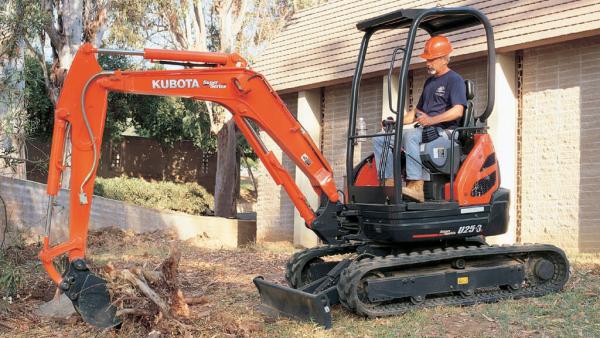
Introduction
The Kubota U25S is a compact, zero-tail swing mini excavator designed to deliver power, precision, and versatility in tight spaces. It is ideal for landscaping, construction, demolition, and utility projects where maneuverability and reliability are essential. Known for its robust build and ease of operation, the U25S offers exceptional performance within its class.
Key Specifications - Operating Weight: Approximately 5,625 lbs
- Engine: Kubota D1105-E3, 3-cylinder, liquid-cooled diesel
- Engine Power: 20.9 HP (gross) at 2,400 rpm
- Displacement: 68.5 cubic inches (1,123 cc)
- Operating Length: 13 ft 7 in (about 4.14 m)
- Overall Width: 4 ft 11 in (1.5 m)
- Height to Top of Cab: 7 ft 11 in (2.41 m)
- Ground Clearance: 11.2 in
- Travel Speed: Up to 2.9 mph
- Ground Pressure: Approximately 3.3 psi, ensuring low impact on sensitive surfaces
- Max Digging Depth: Around 9 ft 3 in (2.81 m)
- Max Digging Reach at Ground Level: 15 ft 4 in (4.67 m)
- Max Dumping Height: 10 ft 6 in (3.21 m)
- Bucket Capacity: Approximately 0.13 cubic yards, with optional hydraulic thumb compatibility
Performance and Features- Zero Tail Swing Design
Allows the excavator’s body to rotate fully without extending beyond the track width, improving safety and accessibility in confined spaces.
- Powerful Engine
The Kubota 20.9 HP turbocharged diesel offers reliable power and complies with EPA Tier IV emissions standards, ensuring efficient fuel use and reduced emissions.
- Hydraulic Matching System
Improves straight travel during boom operations like loading and unloading, enhancing safety and control.
- Ergonomics and Comfort
Features include adjustable wrist rests, a suspension seat, and an easily accessible operator platform to minimize fatigue and increase productivity.
- Durability
Solid steel hood panels, centralized swivel bearing lubrication, and protected cylinder hoses contribute to a rugged build suitable for harsh environments.
- Safety Structures
Equipped with ROPS/OPG Level I certified canopy or cab options, providing protection against rollovers and falling objects.
Hydraulic System- Hydraulic pump flow approx. 20.3 gallons per minute, facilitating smooth boom, arm, and bucket functions.
- Auxiliary hydraulics with quick-connect fittings support attachments like thumbs or breakers.
- Relief valves ensure the system operates within designed pressure limits, protecting components.
Applications- Landscaping and driveway or pathway excavation.
- Trenching, sewer and drainage installation.
- Demolition and concrete removal in urban or congested sites.
- Utility repairs requiring compact machine accessibility.
- Loading and site cleanup with enhanced bucket control via optional thumbs.
Maintenance and Service Tips- Regular fluid changes for engine oil, hydraulic fluid, and cooling system maintain longevity.
- Inspect track tension, undercarriage components, and hydraulic lines frequently for wear.
- Monitor the digital information panel for real-time machine status and alerts.
- Lubricate swivel bearings and pins as per manufacturer schedule to minimize downtime.
User Experiences
Operators praise the U25S for its ability to enter tight spaces while retaining powerful digging forces (up to about 5,765 lbs breakout force) for demanding excavations. The zero-tail swing has proven especially beneficial in residential and urban sites. Maintenance simplicity and fuel efficiency contribute to its popularity in rental fleets and small contractors.
Glossary- Zero Tail Swing: Design with no rear overhang beyond track width for improved maneuverability.
- ROPS: Roll Over Protective Structure, enhancing operator safety by preventing cab collapse.
- OPG: Operator Protective Guard, shielding against falling objects.
- Hydraulic Thumb: A hydraulically controlled grasping attachment aiding in material handling and precision.
- Breakout Force: The force exerted by the bucket to break or lift materials.
Summary
The Kubota U25S mini excavator combines compact dimensions and zero-tail swing design with powerful hydraulics and a reliable diesel engine. Its advanced features, safety certifications, and ease of use make it a top choice for contractors tackling landscaping, utility, and light demolition tasks. Maintaining regular service intervals and using recommended maintenance practices ensure the U25S remains a durable and efficient machine in many diverse jobsite settings.
|
|
|
|
| Pricing Excavation Work: Factors, Strategies, and Considerations |
|
Posted by: MikePhua - 08-17-2025, 01:26 PM - Forum: Rental , Leasing & Investment
- No Replies
|
|
Pricing excavation work is a critical aspect of the construction industry, influencing profitability and client relationships. Excavation is a fundamental process in construction, whether for foundations, grading, or land development, and determining an appropriate price for these services requires careful consideration of various factors. In this article, we will break down the elements that impact excavation pricing, offer strategies to establish competitive rates, and discuss how to approach this task effectively for successful projects.
Understanding the Key Factors in Excavation Pricing
Excavation work, although vital for nearly every construction project, can vary widely in price due to multiple factors. These factors include equipment, labor, site conditions, material costs, and project size. Below is a breakdown of each:
1. Equipment Costs
The type and size of excavation equipment used significantly affect the pricing. Larger, more specialized equipment, such as hydraulic excavators or trenchers, come with higher rental or ownership costs. Additionally, operators with experience in handling such machinery can command higher wages.
Key Equipment Considerations: - Excavators: The most common piece of equipment for excavation, ranging from compact to large-scale models.
- Bulldozers: Used for grading and moving large amounts of material quickly.
- Dump Trucks: Necessary for hauling debris and dirt away from the site.
- Skid Steers and Backhoes: Ideal for smaller, more confined excavation tasks.
Solution: To reduce costs, contractors often rent equipment for short-term projects or maintain a fleet of machines that match the types of projects they typically handle.
2. Labor Costs
Labor is a significant expense in excavation work, with operators, laborers, and supervisors all needing to be compensated. The cost can vary based on the skill level of the workers, the length of the project, and the region. For example, labor rates in metropolitan areas tend to be higher than in rural areas due to the higher cost of living.
Labor Cost Factors:- Operator Experience: Skilled operators will be more efficient and require higher wages.
- Project Size and Duration: Longer projects require more labor hours and increase costs.
- Local Wage Rates: Labor costs vary depending on geographic location and local market conditions.
Solution: Offering competitive wages, providing ongoing training, and maintaining a solid team of workers can help keep labor costs in check while ensuring quality and productivity.
3. Site Conditions
The condition and nature of the excavation site can significantly impact the pricing. Challenging soil conditions, such as rocky or clay-heavy ground, will require more time, specialized equipment, and potentially higher labor costs. Site access and terrain also play a significant role in the project’s complexity.
Site Condition Factors:- Soil Type: Rock, clay, and gravel require more effort to excavate compared to loamy soil.
- Site Accessibility: Difficult-to-reach locations may need additional efforts to bring equipment in.
- Underground Obstacles: Utilities, tree roots, and buried structures can complicate excavation and require more precise and careful work.
Solution: Conducting a thorough site assessment before providing a price estimate allows contractors to anticipate challenges and adjust their quotes accordingly.
4. Material and Disposal Costs
Excavation often involves not just the digging but the removal of material from the site. This could be dirt, rock, or debris, and disposal costs can add significantly to the overall project cost. In some cases, materials may be reused on-site for backfilling or grading, reducing disposal costs.
Material and Disposal Considerations:- Volume of Material: The more material that needs to be removed, the higher the disposal cost.
- Disposal Site Proximity: If the disposal site is far from the work site, transportation costs for hauling debris increase.
- Recyclable Materials: Some materials can be reused or sold, which might help offset disposal costs.
Solution: Prioritize recycling or repurposing materials when possible. Additionally, selecting a nearby disposal facility can help reduce transportation expenses.
5. Project Complexity and Duration
The complexity of the excavation project and the time required to complete it will naturally affect the price. Projects that involve intricate designs or require work in congested areas will often take longer and incur higher costs. Excavation for infrastructure projects like roads, pipelines, and utilities often has tighter timelines, impacting labor rates and equipment utilization.
Complexity Factors:- Scope of Work: Larger projects with multiple stages may require more equipment, personnel, and logistical coordination.
- Environmental Concerns: Projects near wetlands, water bodies, or residential areas may have added restrictions that require specialized methods or permits.
Solution: Detailed project planning and accurate time estimates are essential. Contractors should allocate a buffer for unforeseen challenges that could extend the timeline.
Pricing Strategies for Excavation Work
With the factors above in mind, excavation contractors need to adopt a clear pricing strategy to ensure profitability while remaining competitive. Below are some pricing strategies commonly used in the industry:
1. Hourly Rate Pricing
In many cases, contractors opt for an hourly rate, especially for smaller or less predictable projects. This approach ensures that the contractor is compensated for the actual time spent on-site, including delays, equipment setup, and site preparation.
When to Use:- Short-term projects or tasks with unpredictable challenges.
- When the work scope is not entirely clear at the outset.
- For smaller excavation tasks like trenching or landscaping.
2. Fixed Price Pricing
For larger or well-defined projects, a fixed price can be a viable option. With fixed pricing, the contractor agrees on a set price for the entire project, including labor, equipment, and disposal. This method is preferred for larger-scale, long-term excavation work.
When to Use:- Long-term, predictable excavation projects.
- Projects with well-defined specifications and scope of work.
- Infrastructure projects such as roads, foundations, or large site preparations.
3. Unit Pricing
Unit pricing is commonly used for excavation projects where specific measurements or volumes need to be excavated, such as cubic yards of material to be moved or a specific area to be graded. Contractors determine the cost per unit of material or land area moved and apply it to the project as a whole.
When to Use:- Large projects with a clear measurement of material moved.
- When working with public or government contracts where unit-based pricing is common.
- For projects like drainage, large-scale grading, or demolition.
Recommendations for Successful Pricing
To successfully price excavation work and ensure competitiveness in the market, contractors should consider the following:
- Conduct Thorough Site Assessments: Always perform a comprehensive site evaluation to understand the ground conditions, accessibility, and any potential obstacles.
- Factor in Labor and Equipment Costs: Include all costs associated with labor, equipment, and material disposal in the initial estimate. Being transparent with clients helps in building trust.
- Account for Project Complexity: Consider the complexity of the project when pricing. Some projects may require additional resources, such as specialist equipment or more skilled labor.
- Ensure Clear Communication with Clients: Discuss potential risks and uncertainties upfront with clients. This ensures they understand the pricing structure and possible variations in cost due to unforeseen issues.
- Stay Updated with Market Rates: Regularly review local market conditions and competitors' pricing strategies. Being flexible with your pricing can help you win more business.
Conclusion
Pricing excavation work requires a deep understanding of the various factors that contribute to costs, such as equipment, labor, site conditions, and material disposal. Successful contractors take a holistic approach, considering not just direct costs but also project complexity and market conditions. By using strategies like hourly rates, fixed pricing, or unit-based pricing, contractors can tailor their approach to meet the needs of each project.
The key to success in excavation pricing is a balance of accurate cost estimation, efficient resource allocation, and clear communication with clients. By following these guidelines and adapting to changes in the industry, excavation professionals can establish themselves as reliable and competitive players in the market.
|
|
|
|
| Cummins Fuel Injector Pump: Function, Evolution, and Maintenance |
|
Posted by: MikePhua - 08-17-2025, 01:25 PM - Forum: Parts , Attachments & Tools
- No Replies
|
|
Introduction
The fuel injector pump is critical to the performance of Cummins diesel engines, supplying high-pressure fuel in precise quantities at the correct timing to ensure efficient combustion. This component dictates engine power, fuel economy, and emissions compliance. Understanding its mechanism, recognizing symptoms of wear or failure, and performing appropriate maintenance safeguards engine longevity and reliability.
Core Function
Cummins fuel pumps create the high pressure needed to atomize diesel fuel for direct injection into combustion chambers. As diesel engines rely on compression ignition, the fuel must be injected into superheated compressed air at precisely timed intervals. The pump governs this pressure and timing through mechanical or electronic controls depending on the system. - Low-Pressure Stage
Fuel is first drawn from the tank by a lift or transfer pump (5 to 15 PSI) delivering a steady, air-free supply to the high-pressure pump.
- High-Pressure Generation
Mechanical rotary pumps (Bosch VE rotary, P7100 inline) historically pressurize fuel between 5,000-15,000 PSI. Modern common rail systems generate pressures exceeding 30,000 PSI in a shared rail supplying electronically controlled injectors.
- Fuel Metering and Timing Control
Injection pumps such as the Bosch VE or P7100 regulate fuel quantity per cylinder and injection timing mechanically using plungers, cams, racks, and governors. Electronic Common Rail (HPCR) systems separate pump pressure generation and injector control, managed by an ECU.
Types of Cummins Injection Pumps- Bosch VE Rotary Pump
Compact distributor-type pump used on earlier Cummins engines like the 5.9L 12-valve, known for durability. Controls injection mechanically via camshafts and plungers.
- Bosch P7100/P8500 Inline Pump
Favored on 12-valve 6BT series engines, providing higher power ceiling and preferred for performance tuning. It’s a cam-driven multi-plunger inline design.
- Bosch VP44 Electronic Rotary Pump
Introduced on 24-valve ISB engines, controls fuel injection electronically but mechanically driven, requiring engine oil pressure and electric signals to operate its internal valves.
PT (Pressure-Time) Fuel Injection Mechanism
The PT fuel injection technology, integral to many Cummins engines and diesel generators, operates fuel metering based on pressure and timing. A cam-driven injector plunger moves in sync with the camshaft, opening and closing a metering orifice to regulate fuel flow duration.
Maintenance and Troubleshooting- Common Issues:
Seal leaks, wear of plungers and barrels, sticking components, and electrical faults in VP44 pumps lead to poor injection timing, hard starts, loss of power, or smoke emissions.
- Regular Service:
Replacing fuel filters, using clean diesel fuel, and ensuring proper lift pump pressure (minimum ~4 PSI) are essential.
High-pressure pump repair requires specialist tools and technical knowledge; remanufactured units or professional overhaul services are available.
- Diagnostic Considerations:
Engine codes related to fuel delivery, pressure misreadings, or timing errors suggest pump or injector faults. Thorough pressure and timing checks are required.
User Insights
Operators of Cummins-powered equipment report that timely fuel pump maintenance prevents common injector-related failures. One noted that persistent black smoke and sluggish acceleration improved dramatically after a P7100 pump rebuild. Another user emphasized the importance of clean fuel systems and timely filter changes to extend pump life.
Glossary- Injector Plunger: A cylindrical element inside the fuel pump that pressurizes fuel and controls delivery through precise movements.
- Common Rail System: A modern fuel injection system separating pressure generation from injector control via an electronic control unit.
- Lift Pump: A low-pressure pump supplying fuel from tank to main high-pressure pump.
- Fuel Metering: The process controlling the amount of fuel delivered per injector stroke.
- PT Injection: Pressure-Time system controlling injection duration based on camshaft rotation and pressure.
Summary
Cummins fuel injector pumps are the heart of diesel engine fuel delivery, evolving from mechanical rotary and inline designs to sophisticated electronic Common Rail systems. Understanding their operation aids in diagnosing performance issues and planning effective maintenance. Maintaining clean fuel systems, monitoring pressure, and addressing early failure signs preserve engine output, efficiency, and durability across Cummins-powered machinery and vehicles.
|
|
|
|
| Galion T500C Blade: Overview, Issues, and Solutions |
|
Posted by: MikePhua - 08-17-2025, 01:25 PM - Forum: Parts , Attachments & Tools
- No Replies
|
|
The Galion T500C is a well-known motor grader, recognized for its reliability and capability in heavy-duty construction and earth-moving applications. While this equipment offers superior performance in shaping and leveling tasks, like any piece of heavy machinery, the T500C's blade system can face specific challenges over time. These issues may include problems related to the blade's performance, alignment, or hydraulic control.
In this article, we will explore the common problems related to the Galion T500C blade, possible causes, and the recommended solutions. Additionally, we’ll provide some insights into the maintenance and management of this grader to ensure optimal performance.
The Galion T500C Grader: A Brief Introduction
The Galion T500C is a product of Galion Iron Works, a company that has been manufacturing heavy equipment since 1907. Known for producing road graders, the company played a significant role in developing early motor graders that shaped the construction industry. The T500C is a robust, mid-sized grader designed for both municipal and large-scale construction projects. It is equipped with a powerful engine, precise hydraulics, and an advanced blade system that allows it to handle various grading tasks efficiently.
Blade Problems in the Galion T500C: Common Issues
While the T500C is a durable and efficient machine, operators may encounter several common issues with its blade. These problems can arise from a range of factors, including wear and tear, improper maintenance, or faulty components. Some of the most frequently reported issues include:
1. Blade Wobbling or Misalignment
One of the most common problems with the T500C blade is wobbling or misalignment during operation. This issue can affect the quality of the grading work, as the blade may not cut or level the ground evenly.
Possible Causes: - Worn or Loose Blade Pins: Over time, the pins that hold the blade in place may wear out or loosen, leading to instability and misalignment.
- Faulty Blade Tilt Cylinders: If the blade tilt cylinders are damaged or not functioning correctly, they may fail to keep the blade properly aligned during operation.
- Bent Blade Frame: A bent or damaged frame can cause the blade to be off-center, leading to uneven cutting and poor performance.
Solution:- Inspect and Tighten Blade Pins: Regularly check the blade pins for wear and tighten them as necessary. If they are too worn, replacing them is crucial for maintaining alignment.
- Check Blade Tilt Cylinders: Ensure that the blade tilt cylinders are functioning properly and replace them if necessary.
- Inspect the Blade Frame: A bent frame needs to be straightened or replaced to restore proper blade alignment.
2. Uneven Blade Wear
Uneven blade wear is another common problem. This happens when certain areas of the blade wear faster than others, leading to inefficient grading and the need for frequent blade replacements.
Possible Causes:- Improper Blade Angle: If the blade is not set at the correct angle during operation, it can cause uneven wear. The angle of the blade affects how it interacts with the material being moved, and a poor angle will result in inconsistent cutting.
- Incorrect Blade Adjustment: If the blade is not properly adjusted for the specific task, it may create uneven wear. For example, if the blade is too low or too high, it may cut into the ground unevenly.
- Excessive Pressure on One Side: Applying too much pressure on one side of the blade can cause uneven wear patterns. This is particularly common when operators are attempting to push large amounts of material with too much force on one side of the grader.
Solution:- Regularly Adjust Blade Angle: Always ensure the blade is set at the correct angle for the type of work being done. Proper blade angle adjustment can help ensure even wear and more efficient grading.
- Monitor Blade Pressure: Operate the grader with balanced pressure on both sides of the blade. This will prevent excessive wear on one side.
- Replace Worn Blades: If the blade shows signs of significant wear, replace it to maintain optimal performance.
3. Hydraulic Issues Affecting Blade Movement
The Galion T500C relies on hydraulic power to adjust the blade’s position, tilt, and angle. If there are issues with the hydraulic system, the blade may become difficult to control, or it may fail to respond as expected.
Possible Causes:- Hydraulic Fluid Contamination: Contaminants in the hydraulic fluid can affect the efficiency of the hydraulic system. Dirt, moisture, or other debris can block the flow of hydraulic fluid, resulting in poor blade response.
- Low Hydraulic Pressure: If the hydraulic system is not maintaining adequate pressure, the blade may not move as intended, or it may struggle to maintain its position during operation.
- Leaking Hydraulic Hoses or Seals: Leaks in the hydraulic hoses or seals can cause a loss of pressure, making it difficult to control the blade effectively.
Solution:- Flush the Hydraulic System: Regularly flush the hydraulic system to remove contaminants and replace the hydraulic fluid with fresh, clean fluid.
- Check for Leaks: Inspect the hydraulic hoses and seals for signs of leaks. Replace any damaged parts to ensure proper hydraulic pressure.
- Test Hydraulic Pressure: Use a pressure gauge to check the hydraulic system’s pressure. If it’s too low, diagnose the underlying cause (e.g., pump failure or restriction) and address it.
4. Hydraulic Cylinder Failures
Hydraulic cylinders are integral to the blade's movement, responsible for lifting, lowering, and tilting the blade. If these cylinders fail, the grader will struggle to operate efficiently.
Possible Causes:- Cylinder Seal Damage: Over time, the seals in hydraulic cylinders can wear out or become damaged, leading to fluid leakage and loss of hydraulic power.
- Corrosion or Pitting: Exposure to dirt, moisture, and other contaminants can cause corrosion or pitting inside the hydraulic cylinders, leading to poor performance or failure.
Solution:- Inspect and Replace Seals: Regularly inspect the hydraulic cylinder seals and replace them when signs of wear or damage are observed.
- Clean and Lubricate Cylinders: Keeping the cylinders clean and lubricated can prevent corrosion and extend their lifespan.
Preventive Maintenance Tips for the Galion T500C Blade
To ensure the long-term functionality of the Galion T500C blade, it is essential to implement a solid preventive maintenance program. Regular maintenance can reduce downtime and increase the machine's productivity. Here are a few maintenance tips:
- Regular Inspections: Perform regular inspections of the blade, hydraulic components, and other related systems. Early detection of wear or damage can prevent more costly repairs down the line.
- Hydraulic System Maintenance: Regularly check and replace hydraulic fluid to ensure the system operates efficiently. Clean or replace hydraulic filters as needed to prevent contamination.
- Keep Blade Components Clean: Regularly clean the blade, pins, and related components to remove dirt and debris that could cause wear or damage.
- Lubricate Moving Parts: Ensure that all moving parts of the blade, including the linkages and cylinders, are properly lubricated to prevent wear and ensure smooth operation.
Conclusion
The Galion T500C grader is a highly capable machine, but like all heavy equipment, its blade system can face challenges over time. Issues such as blade misalignment, uneven wear, hydraulic malfunctions, and cylinder failures can impact performance. By understanding these common problems and implementing the recommended solutions, operators can maintain the T500C's blade in excellent working condition, ensuring efficient operation for years to come.
Regular inspections, timely repairs, and preventive maintenance are key to keeping the grader in top shape. With proper care, the Galion T500C will continue to be a reliable asset in any construction or earth-moving operation.
|
|
|
|
| John Deere 200C LC Excavator Power Derate Issue |
|
Posted by: MikePhua - 08-17-2025, 01:24 PM - Forum: Troubleshooting & Diagnosing
- No Replies
|
|
Machine Overview
The John Deere 200C LC is a robust mid-size hydraulic excavator known for its reliability and performance in construction, landscaping, and heavy-duty tasks. It features a turbocharged 6.8-liter John Deere 6068H diesel engine producing around 141 horsepower at 2150 rpm, coupled with a powerful hydraulic system with a capacity of about 115.8 gallons per minute. Operating weight is approximately 46,130 lbs with a maximum digging depth of around 19 feet and a maximum reach of about 32 feet. The machine includes advanced monitoring systems, such as alarms for engine parameters, fuel levels, and hydraulic pressures, optimizing safe and efficient operation.
Symptoms of Power Derate
Power derating on the 200C LC manifests as engine bogging down or loss of power when hydraulic levers are activated, despite starting and idling normally. Warning codes such as 1077 31 and 1078 31 may appear, indicating potential system issues. Common related symptoms can include sluggish hydraulic response, engine surging, or limited travel functions.
Common Causes - Fuel Delivery Issues
Clogged fuel filters or failing fuel lift pumps restrict fuel supply under load; changing these is a recommended first troubleshooting step.
- Air in Fuel System
Leaks or loose connections may allow air to enter fuel lines, causing inconsistent engine power delivery.
- Sensor or Electronic Control Unit (ECU) Faults
Engine codes may correspond to malfunctioning sensors or ECU that trigger derate modes as a safety precaution.
- Hydraulic System Malfunctions
Hydraulic pressure or flow irregularities might cause the system to reduce engine power to maintain safe operating parameters.
- Exhaust or Emissions System Blockages
DPF (Diesel Particulate Filter) issues or restricted exhaust can decrease engine efficiency, triggering derate.
Diagnostic and Troubleshooting- Retrieve and clear error codes using diagnostic tools or by disconnecting the battery terminals (not always sufficient). Running the machine to replicate issues enables identification of persistent error codes.
- Replace fuel filters and lift pump as needed; re-bleed fuel lines thoroughly after replacement.
- Inspect all fuel line connections for tightness or damages that can introduce air.
- Check sensor integrity and wiring for faults influencing ECU behavior.
- Review hydraulic pressure readings and pump performance.
- Inspect exhaust and DPF systems for clogs or damage.
Maintenance Recommendations- Adhere to scheduled fuel filter changes and fuel system inspections.
- Use high-quality fuel and additives to maintain injector cleanliness and prevent deposit formation.
- Maintain ECU and sensor firmware updates if applicable.
- Follow manufacturer’s hydraulic fluid and engine oil change intervals strictly.
- Consider professional assessment if power derate persists after basic fixes.
Practical Advice
Power derate is a protective feature that helps avoid engine damage during system irregularities. Ignoring derate symptoms risks component failure and expensive repairs. For owners of older or lightly used machines, proactively maintaining fuel and sensor systems helps reduce derate occurrences and supports reliable operation.
Glossary- Power Derate: Automatic reduction of engine power to protect the machine when faults are detected.
- Fuel Lift Pump: A pump that supplies fuel from tank to engine under pressure.
- ECU: Electronic Control Unit managing engine functions and diagnostics.
- DPF: Diesel Particulate Filter controlling exhaust emissions by capturing particulates.
- Hydraulic Flow: The quantity of hydraulic fluid delivered, influencing actuator speed and force.
Summary
John Deere 200C LC excavators experiencing power derate commonly face fuel delivery, sensor errors, or hydraulic issues. Structured diagnostic approaches focusing on filters, pumps, signs of air ingress, and sensor fitness are essential. Adherence to maintenance schedules and professional assistance guarantee prolonged machine life and dependable jobsite performance.
|
|
|
|
|



