| Welcome, Guest |
You have to register before you can post on our site.
|
| Online Users |
There are currently 193 online users.
» 0 Member(s) | 182 Guest(s)
Ahrefs, Amazon, Applebot, Bing, Claude, DotBot, Google, OpenAI, Semrush, Trendiction
|
| Latest Threads |
Identifying and Sourcing ...
Forum: Parts , Attachments & Tools
Last Post: MikePhua
01-07-2026, 06:29 PM
» Replies: 0
» Views: 527
|
Cat 931B Brake Parts
Forum: Parts , Attachments & Tools
Last Post: MikePhua
01-07-2026, 06:29 PM
» Replies: 0
» Views: 283
|
Choosing Between Cat 228,...
Forum: General Discussion
Last Post: MikePhua
01-07-2026, 06:28 PM
» Replies: 0
» Views: 559
|
Hydraulic Delay When Lowe...
Forum: Troubleshooting & Diagnosing
Last Post: MikePhua
01-07-2026, 06:27 PM
» Replies: 0
» Views: 446
|
Bale Chopper and Mulcher ...
Forum: General Discussion
Last Post: MikePhua
01-07-2026, 06:26 PM
» Replies: 0
» Views: 323
|
Mini UC Maintenance
Forum: General Discussion
Last Post: MikePhua
01-07-2026, 06:25 PM
» Replies: 0
» Views: 314
|
Locating Wiring Informati...
Forum: General Discussion
Last Post: MikePhua
01-07-2026, 06:24 PM
» Replies: 0
» Views: 345
|
Case Industrial Brown Sub...
Forum: Parts , Attachments & Tools
Last Post: MikePhua
01-07-2026, 06:23 PM
» Replies: 0
» Views: 275
|
Dirt Work in West Virgini...
Forum: Construction & Urban Infrastructure Forum
Last Post: MikePhua
01-07-2026, 06:23 PM
» Replies: 0
» Views: 374
|
D207 P Hydraulic Steering...
Forum: Parts , Attachments & Tools
Last Post: MikePhua
01-07-2026, 06:22 PM
» Replies: 0
» Views: 303
|
|
|
| Understanding TLB Bushings: Maintenance, Replacement, and Performance |
|
Posted by: MikePhua - 08-20-2025, 12:05 PM - Forum: Parts , Attachments & Tools
- No Replies
|
 |
The use of backhoe loaders, often referred to as TLBs (tractor-loader-backhoes), has become ubiquitous in construction, agricultural, and municipal operations. These versatile machines are designed to handle a range of tasks, from digging and lifting to hauling materials and trenching. A critical part of ensuring their optimal performance and longevity lies in the maintenance of various components, including the bushings. In this article, we’ll explore the importance of TLB bushings, the common issues that can arise, and best practices for maintaining or replacing them.
What are TLB Bushings?
Bushings are mechanical components designed to reduce friction and wear between moving parts in machinery. In a backhoe loader, bushings are typically used to support various pivot points and linkages, where metal components move against each other. These bushings, made of durable materials like polyurethane, rubber, or metal alloys, serve as a buffer between components that would otherwise rub directly against each other, causing damage.
The TLB’s arm, bucket, and boom assembly rely on several bushings at critical pivot points. These include the front bucket linkage, the boom’s lift cylinders, and the steering components. By absorbing shock loads and reducing friction, bushings ensure smoother operation, improved performance, and extended machine lifespan.
Types of Bushings in TLBs
- Pivot Bushings
Pivot bushings are located at the points where the machine’s boom and arm connect. They bear the brunt of the load when the loader lifts or moves materials. These bushings typically experience the most wear due to the repetitive nature of their movement.
- Bucket Linkage Bushings
These bushings are installed in the linkage that connects the bucket to the loader’s arm. They help to distribute the forces exerted on the bucket during digging and lifting, ensuring the smooth and efficient operation of the machine.
- Boom and Arm Bushings
The boom and arm bushings are critical for stabilizing the backhoe’s lifting capacity and maintaining accurate control when operating the machine. These bushings must withstand significant pressure, particularly in operations that involve lifting heavy loads.
- Steering Bushings
The steering bushings are responsible for reducing wear in the steering linkage. They play a key role in ensuring smooth and responsive steering, especially when navigating tight spaces or maneuvering the machine on uneven terrain.
Signs of Worn or Damaged Bushings
Like any other mechanical component, bushings wear out over time. The extent of wear depends on factors like load capacity, operating conditions, and the frequency of maintenance. Here are some signs that indicate bushing issues in a TLB:
- Excessive Play or Movement
If there is noticeable play or excessive movement at the pivot points, it could indicate that the bushings are worn out and need replacing. This can affect the precision of the machine's movement and lead to operational inefficiencies.
- Uneven or Rough Movement
Worn bushings can cause the boom, bucket, or other parts of the machine to move unevenly or jerkily. This can be a sign of inadequate lubrication or worn surfaces, which can result in a loss of control and accuracy.
- Noise or Clunking Sounds
A distinctive clunking or banging sound while operating the loader, especially when moving the boom or bucket, is often an indicator of worn or damaged bushings. The noise occurs when metal components come into contact with each other, due to the absence or failure of the bushing.
- Excessive Wear on Other Components
If the bushings wear out, other parts of the machine, such as the arms, buckets, and pivot pins, may begin to show signs of excessive wear. This can lead to further damage and higher repair costs if not addressed promptly.
- Visible Damage
Cracks, tears, or significant wear on the bushing material can be easily visible upon inspection. This kind of damage usually happens after prolonged use or exposure to harsh operating conditions.
How to Maintain TLB Bushings
Regular maintenance and inspections are essential to extend the lifespan of TLB bushings and ensure the backhoe operates smoothly. Here are some key steps for maintaining the bushings:
- Regular Lubrication
Lubrication is vital to reducing friction and wear on bushings. Periodically greasing the bushings will help maintain their smooth operation, prevent premature wear, and keep the pivot points functioning optimally. Be sure to use the correct type of lubricant recommended by the manufacturer.
- Frequent Inspections
Regularly inspect the bushings for signs of wear, cracks, or damage. A quick visual inspection can help identify issues early, allowing for timely repairs and preventing further damage to other components.
- Avoid Overloading
Operating a backhoe loader beyond its rated capacity puts undue stress on the bushings and other components, accelerating wear. Be mindful of load limits to prevent unnecessary damage to the machine and its bushings.
- Keep the Equipment Clean
Dirt, dust, and debris can contaminate the bushing area, leading to wear. Clean the components and surrounding areas to ensure that debris doesn’t cause damage over time.
- Replace Worn Bushings Promptly
If you notice any of the signs of worn bushings, replace them promptly. Delaying the replacement can lead to greater damage to the machine, including bent or worn-out pins, misalignment, and reduced machine control.
How to Replace Worn TLB Bushings
Replacing the bushings on a TLB is a straightforward process but requires careful attention to detail. Here’s a step-by-step guide for replacing worn bushings:
- Prepare the Equipment
Before beginning the replacement, ensure the TLB is parked on level ground and the hydraulic pressure is relieved. Secure the machine using the appropriate lifting equipment, if necessary.
- Disassemble the Components
Using the appropriate tools, disassemble the affected parts, such as the boom, bucket, or steering components. Remove the pivot pins or other fasteners that hold the bushings in place.
- Remove the Old Bushings
Once the parts are disassembled, carefully remove the worn bushings. Use a bushing press or hammer to remove the bushings from their housing, being careful not to damage the surrounding components.
- Install the New Bushings
Insert the new bushings into the housing and reassemble the components. Ensure that the new bushings are seated properly and are aligned with the pivot points to ensure smooth movement.
- Test the Equipment
Once the new bushings are installed, test the machine to ensure that it moves smoothly and without excessive play. Check for proper lubrication and make sure that there are no unusual sounds or signs of malfunction.
Choosing the Right Bushings for Your TLB
When selecting replacement bushings for your backhoe loader, ensure that they are made of high-quality materials that can withstand the operational conditions you typically encounter. The material of the bushing—whether polyurethane, rubber, or metal alloy—will depend on the type of load and the environment the machine operates in.
Additionally, always refer to the manufacturer's specifications for bushing sizes and types. Using the correct parts ensures optimal performance and reduces the likelihood of premature failure.
Conclusion
Maintaining and replacing TLB bushings is a key part of keeping your backhoe loader in top condition. Regular inspections, lubrication, and prompt replacement of worn bushings can prevent costly repairs and ensure smooth, efficient operation of the machine. By understanding the importance of bushings and how to care for them, you can extend the lifespan of your equipment and maintain peak performance for years to come.
|

|
|
| Swing Speed Problem |
|
Posted by: MikePhua - 08-20-2025, 12:05 PM - Forum: Troubleshooting & Diagnosing
- No Replies
|
|
When the swing function on a Kobelco SK70SR-1E exhibits sluggish rotation despite working hydraulics, the culprit often lies beyond the swing motor—it may point to hydraulic control logic, electronics, or RPM behavior rather than pure mechanical failure.
What Happens - The swing brake deploys properly, but the rotation is lethargic—taking around 9–10 seconds per revolution despite no directional difference between clockwise and counter-clockwise movement.
- Wiring and sensor signals appear within specification, and swapping sensors has no effect.
- All other functions—boom, arm, drive—activate ample swing power when used, but swing alone yields meager performance.
- A hydraulic component known as the PSV-B spool was tested and replaced but did not resolve the issue.
- Notably, other operations like boom or stick movement cause the engine RPM to increase, but swing action does not trigger such an RPM boost.
- Upon accidental activation of a diagnostic “A programming mode,” the system lost stepper motor settings and began flashing an E-01 error—signifying controller misconfiguration.
- Recorded data shows that the expected RPM diverges from actual speed as the throttle increases—up to a 200 RPM deficit at higher settings, while low RPM remains reasonably accurate.
- Swing seems tied into a broader hydraulic-electronic system (the “Mechatro” system), which manages both throttle and spool control via stepper motor signals.
Drawing on Kobelco Specs
The SK70SR-2 version lists a nominal swing speed of 12.5 revolutions per minute (rpm) under ideal conditions (warm hydraulic oil, high idle, level ground) . This provides a baseline for expected swing timing in the 200–300 RPM engine speed range.
Possible Causes and Fixes- Hydraulic priority logic
The system’s swing spool redirects bypass flow to the swing motor when activated—without the correct proportional pilot signal, flow may be diverted elsewhere .
- RPM mismatch
Since swing doesn’t raise engine speed, pump flow to the swing drive is starved. Diagnosticians should inspect throttle control circuits, stepper motor programming, and the Mechatro controller itself—especially after entering programming mode incorrectly.
- Electronic control issues
With mismatched RPM readings and persistent error flags (like E-01), the controller may be misconfigured or faulty. Professional diagnostics or controller replacement could be warranted .
- Valve or pump flow faults
In other Kobelco models, sluggish movement of several functions points to pump output flow loss or faults within the control valve stack .
Recommended Troubleshooting Steps- Monitor and log swing performance:
- Measure actual swing RPM versus engine RPM during swing-only operation.
- Compare with expected 12.5 rpm baseline for evaluation.
- Test RPM response:
- Manually increase engine RPM during swing movement to see if swing speed improves.
- Clear controller error:
- Reset the Mechatro controller after resolving programming errors, and re-run calibration sequences reliably.
- Check hydraulic spool operation:
- Use shop tests to verify proper shift of the swing spool, P2 bypass cut spool, and verify that oil flow is correctly directed to the swing motor.
- Evaluate controller hardware:
- If diagnostic errors persist or stepper motor settings are unresolved, consult Kobelco service for ECU or board repair/replacement.
Terminology Clarified- Swing spool – A hydraulic valve spool that diverts flow from the P2 rotor pump to the swing motor when swing is commanded.
- P2 bypass cut spool – A means of shutting off bypass flow to prioritize swing motor pressure for smoother motion.
- Mechatro system – Kobelco’s hybrid electronic-hydraulic control system mixing mechanical spools with electronic pilot pressure control via stepper motors and ECU.
A Field Anecdote
A heavy-equipment technician on a small-scale urban construction site recalled diagnosing a similar issue: the swing drive function lagged but activated fully when the operator moved the boom. Investigating, he found that the electronic controller had lost calibration after rough transport. Once recalibrated, RPM matched throttle settings and swing speed returned to normal—cutting rotation time from 8 seconds per revolution to the expected 4.8 seconds at 12.5 rpm.
Kobelco Background
Introduced in the late 1990s, the Kobelco SK70SR line was designed for narrow-tail, compact excavator applications. By the mid-2000s, the SK70SR-1E and later versions incorporated Mechatro control systems to improve efficiency. While exact sales figures are proprietary, Kobelco remains a major global excavator brand, known for blending robustness with advanced hydraulics.
Summary of Solutions- Log actual swing vs expected speed (12.5 rpm baseline).
- Stimulate RPM during swing to test flow limitation.
- Reset or reprogram controller if calibration was lost.
- Test/hypothesize spool or pump malfunctions interfering with swing.
- Replace ECU board or controller if electronic errors persist.
|
|
|
|
| Case 580SN Derated: Common Causes and Solutions |
|
Posted by: MikePhua - 08-20-2025, 12:04 PM - Forum: Troubleshooting & Diagnosing
- No Replies
|
|
The Case 580SN is a well-known and reliable backhoe loader that has gained widespread recognition for its versatility, power, and efficiency in construction, landscaping, and utility projects. However, like any heavy machinery, it may experience occasional issues that hinder its performance. One such issue that some owners have encountered is the "derating" of the engine, which causes the backhoe to operate at reduced power. This article explores the causes of engine derating in the Case 580SN, potential solutions, and preventive measures to ensure optimal performance.
Understanding Engine Derating
Engine derating refers to a condition where an engine’s output is reduced, typically due to safety or operational concerns. In the case of the Case 580SN, derating can occur for various reasons, and the engine may limit its power to protect itself from further damage. This is done to prevent overheating, excessive emissions, or damage to critical components.
When a backhoe like the Case 580SN experiences derating, the operator may notice a significant drop in power, which can impact the machine’s performance, particularly in demanding tasks like digging, lifting, or transporting heavy loads. Derating often occurs as a result of an engine warning or fault code being triggered by the machine's onboard diagnostics system.
Common Causes of Engine Derating in the Case 580SN
- Overheating Issues
- Overheating is one of the primary causes of engine derating in the Case 580SN. If the engine coolant temperature rises beyond the recommended level, the system will activate the derating mode to prevent engine damage. Causes of overheating can include low coolant levels, clogged radiators, or malfunctioning thermostats.
- Fuel System Problems
- Problems with the fuel system, such as clogged fuel filters, fuel contamination, or low-quality fuel, can also trigger derating. Insufficient fuel delivery or inconsistent fuel flow can cause the engine to operate inefficiently, leading to derating to protect against potential engine damage.
- Air Intake and Exhaust Restrictions
- Blockages in the air intake or exhaust systems can result in poor engine performance and derating. A clogged air filter or damaged intake system prevents sufficient airflow into the engine, affecting its combustion process. Similarly, a blocked exhaust system can restrict the engine’s ability to expel exhaust gases, leading to increased pressure and reduced power.
- Electrical and Sensor Malfunctions
- Modern machinery like the Case 580SN relies heavily on electronic control units (ECUs) and various sensors to monitor engine performance. A malfunctioning sensor or faulty wiring can send incorrect signals to the ECU, causing it to enter derating mode. For example, faulty temperature sensors, pressure sensors, or fuel pressure sensors can trigger the engine to reduce power to avoid potential damage.
- Dirty or Faulty EGR (Exhaust Gas Recirculation) System
- The EGR system plays a crucial role in controlling emissions by recirculating exhaust gases back into the combustion chamber. If the EGR valve becomes clogged or faulty, it can lead to increased exhaust temperatures and poor engine performance. This can cause the engine to derate to protect against further damage.
- Low Oil Pressure
- Engine oil plays a critical role in lubricating and cooling engine components. Low oil pressure due to oil leaks, low oil levels, or a malfunctioning oil pump can cause the engine to overheat and trigger derating. Low oil pressure can also lead to increased friction and wear, potentially causing serious damage to the engine if not addressed.
How to Diagnose and Fix Engine Derating Issues
Diagnosing and fixing derating issues on the Case 580SN requires a systematic approach to identify the root cause of the problem. Here are the key steps to take:
- Check for Diagnostic Codes
- The Case 580SN is equipped with an onboard diagnostic system that generates fault codes when a problem is detected. These codes can be read using a diagnostic tool or through the machine’s onboard display. Identifying the fault code can help pinpoint the exact issue causing the derating.
- Inspect the Cooling System
- Overheating is one of the most common causes of engine derating, so it’s important to inspect the cooling system first. Ensure that the radiator is clean and free of debris, the coolant level is sufficient, and the thermostat is functioning properly. If necessary, flush the coolant system to remove any blockages or contaminants.
- Examine the Fuel System
- Inspect the fuel filters for signs of clogging or contamination. If the fuel filters are dirty, replace them to restore proper fuel flow. Additionally, ensure that the fuel tank is clean and free from debris or water, as contaminated fuel can severely affect engine performance.
- Check Air Intake and Exhaust Systems
- Inspect the air filter for clogging or damage. A clean air filter is crucial for maintaining proper airflow into the engine. Also, check the exhaust system for any blockages that may be preventing the engine from expelling exhaust gases efficiently. A thorough inspection can help identify any restrictions that could cause derating.
- Test Electrical Components
- Malfunctioning sensors or electrical issues are common culprits for engine derating. Inspect the wiring and connections for any visible damage. Using a multimeter, check the sensors related to temperature, pressure, and fuel flow to ensure they are functioning properly. If necessary, replace faulty sensors to restore the engine’s performance.
- Check EGR System
- If the EGR system is causing the derating, it may require cleaning or repair. The EGR valve and cooler should be inspected for soot buildup and cleaned to restore proper functionality. If the valve is damaged, replacing it may be necessary.
- Monitor Oil Pressure
- Ensure that the engine oil level is adequate and that the oil is clean. If the oil pressure is low, check for oil leaks and verify that the oil pump is functioning properly. If the oil pressure continues to be low, the pump or oil filter may need to be replaced.
Preventive Measures to Avoid Derating
Preventing engine derating requires regular maintenance and monitoring to ensure that all systems are functioning correctly. Here are a few tips to keep your Case 580SN running at peak performance:
- Regular Fluid Checks
- Regularly check the engine coolant, oil, and fuel levels. Ensure that the fluids are clean and at the proper levels to prevent overheating, wear, and fuel delivery issues.
- Routine Maintenance
- Follow the manufacturer’s recommended maintenance schedule for replacing air filters, fuel filters, and cleaning the cooling system. Performing routine maintenance can help prevent many common causes of engine derating.
- Monitor Engine Performance
- Keep an eye on engine temperature, oil pressure, and other vital metrics. If the engine exhibits any abnormal behavior, such as increased temperature or reduced power, it’s important to address the issue immediately before it leads to derating.
- Use Quality Fuel
- Always use high-quality fuel to avoid contamination or water in the fuel system. Low-quality fuel can clog fuel filters and injectors, leading to engine performance issues.
Conclusion
Engine derating in the Case 580SN can be frustrating, but with proper diagnostics and maintenance, most causes of derating can be resolved quickly. By addressing issues such as overheating, fuel system problems, air intake restrictions, and electrical malfunctions, you can restore the machine’s power and ensure that it continues to perform at its best. Regular maintenance and preventive measures are key to avoiding derating and extending the life of your Case 580SN backhoe loader.
|
|
|
|
| Manufacture Date Without Serial Number |
|
Posted by: MikePhua - 08-20-2025, 12:03 PM - Forum: General Discussion
- No Replies
|
|
When heavy machinery arrives with dubious or missing serial identifiers, pinpointing its manufacture date becomes a creative detective challenge. In such situations, professionals rely on clues from casting marks, wear patterns, and known manufacturer histories.
Clues from Casting Codes
Metal casting codes—typically stamped on structural parts—can betray a machine’s age when serial numbers are unreliable. These codes often encode dates and batches. For instance, in vintage tractor circles, the letter “I” might indicate 1939, with subsequent letters incrementing annually—like “J” for 1940, and so on. This subtle alphabetic progression gives a rough timeline without formal records.
Why Serial Numbers Sometimes Fail
Serial numbers usually identify exactly where and when a machine was built, and they’re vital for sourcing parts, servicing, and traceability. Yet when those numbers are missing—or suspect—alternate methods must be used.
Alternate Methods to Estimate Age - Casting date codes offer one method by referencing manufacturer-specific encoding systems.
- Observing wear on components—like engine panels, hydraulic housings, or painted surfaces—can hint at age.
- Consult maintenance logs, original manuals, or build sheets when available (dealers sometimes have records tied to machine details, even without serial numbers).
Practical Advice- Photograph and document all codes and marks across the frame and major components.
- Consult manufacturer archives or dealer service teams; build sheets may exist even when serial plates are missing.
- Examine wear characteristics—peeling decals, rust patina, paint layers—to estimate age in the field.
A Field Story
A heavy-equipment dealer once received a visibly aged excavator painted with a fresh serial plate. Suspecting fraud, the technician examined the casting marks beneath the paint layer. The codes placed the frame’s casting in the early 2000s, matching known mold use dates. That clue confirmed the machine’s rough age, leading to a decision to walk away from the deal.
Why This Matters
Knowing a machine’s age without serial records matters for:- Valuation—equipment depreciation often depends heavily on age and condition.
- Maintenance planning—older machines require more frequent service.
- Parts compatibility—replacement parts often vary between production years.
Context from Equipment Appraisals
Even in standard appraisal practice, determining manufacturing date is the first step—used to assess remaining service life, depreciation, and potential value. Appraisers rely on model, condition, hours, and maintenance history to complete valuations.
Industry Insights
Some specialty databases and valuation tools (like EquipmentWatch) allow for verifying manufacture year when serial data is entered; any workaround that yields accurate age estimates can feed those systems.
Terminology Clarified- Casting code – Impressed on metal parts, used to mark production batch or date.
- Build sheet – Manufacturer’s internal document listing options, date and location of production.
- Serial number plate – Official ID tag offering authoritative manufacturing data.
Addendum: Equipment Serial Number Practices
Many modern systems embed date or batch info in serial numbers (YYWW format, for example). A hypothetical code “0607-0003-88” may tell us the unit was made in the 7th week of 2006, and is the third unit of that batch—another layer of traceability when such encoding exists.
Summary of Steps
- Inspect for casting marks or date codes on major components.
- Compare codes to known manufacturer batch timelines.
- Contact dealers or manufacturers for build sheets or parts lookup.
- Cross-reference visual wear characteristics and paint condition.
- Use findings to inform valuation, maintenance strategy, and parts ordering.
|
|
|
|
| Caterpillar 14M Motor Grader: A Trusted Tool for Precision and Efficiency |
|
Posted by: MikePhua - 08-20-2025, 12:02 PM - Forum: General Discussion
- No Replies
|
|
The Caterpillar 14M Motor Grader is widely regarded as one of the most reliable and powerful motor graders in the construction and mining industries. Known for its precision, power, and efficiency, the 14M has become a go-to machine for contractors who require top-tier performance on the job site. This article delves into the development, features, and advantages of the Caterpillar 14M motor grader, while also addressing its real-world applications and benefits.
Development and History of the Caterpillar 14M Motor Grader
Caterpillar, a global leader in heavy equipment manufacturing, has been producing motor graders since the early 20th century. With a legacy of engineering excellence, Caterpillar continues to design motor graders that meet the diverse needs of the construction and mining industries. The 14M motor grader, which was introduced as part of the M Series, represents a significant advancement in technology and efficiency compared to previous models.
The 14M was designed to improve productivity, fuel efficiency, and operator comfort. It combines Caterpillar's advanced hydraulic and electronic technologies with the durability and performance that the brand is known for. With global sales reaching impressive numbers, the 14M is a testament to Caterpillar's ability to meet evolving industry needs while ensuring that its machines remain at the forefront of motor grader design.
Key Features of the Caterpillar 14M Motor Grader
The Caterpillar 14M is packed with features that make it one of the most efficient motor graders available. Here are some of the standout specifications and characteristics that define this model:
- Engine Power and Performance
- The 14M is powered by a C13 ACERT engine, which delivers 235 horsepower at peak performance. This engine provides ample power for demanding tasks like road maintenance, grading, and mining site preparation.
- Advanced Hydraulics
- The machine is equipped with Caterpillar’s advanced hydraulics system, providing precise control of the blade for fine grading. This feature is essential for achieving smooth, level surfaces in projects such as road construction and landfill compaction.
- Comfortable and Ergonomic Operator Cabin
- The cabin is designed for operator comfort with an adjustable seat, climate control, and enhanced visibility. The intuitive control systems make it easier for operators to handle complex grading tasks while reducing fatigue over long shifts.
- Fuel Efficiency and Reduced Emissions
- The 14M is designed with fuel efficiency in mind, utilizing a combination of a fuel-efficient engine and advanced transmission technology. This makes it an excellent choice for contractors looking to reduce operating costs. Additionally, the machine complies with global emissions standards, making it more environmentally friendly.
- Blade Control and Precision
- The 14M is known for its precision when it comes to controlling the blade. The integrated technology allows operators to fine-tune the blade position for accurate grading, which is particularly important in road construction where uniformity is key.
- Durability and Longevity
- Caterpillar’s focus on durability ensures that the 14M motor grader is built to withstand harsh conditions. The frame is robust, and the machine’s design allows it to handle the stresses of heavy grading and excavation work without compromising performance.
Real-World Applications of the 14M Motor Grader
The Caterpillar 14M Motor Grader is used in various industries, including construction, mining, and road maintenance. Below are some common real-world applications for the 14M:
- Road Construction and Maintenance
- The 14M is ideal for both the construction of new roads and the maintenance of existing ones. The precision blade control ensures that road surfaces are leveled correctly, while its engine power allows it to handle even the toughest materials like asphalt and compacted earth.
- Land Development and Site Preparation
- Whether it's preparing land for commercial buildings, residential developments, or mining sites, the 14M’s ability to perform fine grading makes it an essential tool for site preparation. Its large blade capacity can cover a wide area, speeding up the process while maintaining accuracy.
- Mining and Excavation
- In the mining industry, the 14M plays a significant role in site preparation and haul road construction. Its ability to maintain consistent blade position is essential in creating stable haul roads that can support heavy mining trucks.
- Snow Removal and Emergency Operations
- The 14M is also used in snow removal operations for municipalities and emergency services. Its large blade and high maneuverability make it effective at clearing snow from roads and large areas quickly.
Advantages and Performance Benefits
The Caterpillar 14M Motor Grader offers several advantages that make it a top choice for contractors and operators worldwide:
- Increased Productivity
- The combination of high horsepower, precision blade control, and fuel efficiency results in increased productivity. Contractors can complete tasks faster, reducing downtime and enhancing operational efficiency.
- Lower Operating Costs
- The fuel-efficient engine and durable components help keep operating costs lower over time. The 14M’s ability to perform efficiently with less fuel means fewer refueling stops, which translates into time and cost savings.
- Improved Operator Experience
- The ergonomic cabin, coupled with easy-to-use controls, ensures that operators can work for long hours without excessive fatigue. This not only improves productivity but also contributes to safety by keeping the operator alert and comfortable.
- Versatility
- The 14M is versatile enough to be used for a wide range of tasks. Whether you're working on road construction, mining operations, or municipal projects, the 14M offers the flexibility needed to adapt to different job site conditions and requirements.
Challenges and Considerations
While the Caterpillar 14M is a highly capable motor grader, there are a few considerations to keep in mind before purchasing or operating this equipment:
- Initial Investment
- Like most Caterpillar equipment, the 14M comes with a higher initial cost compared to some other motor graders. However, the investment is justified by the machine's performance, durability, and the potential for long-term savings through fuel efficiency and low maintenance costs.
- Maintenance and Repair
- While the 14M is designed for durability, regular maintenance is required to ensure optimal performance. Routine checks on the engine, hydraulic system, and other key components will keep the machine running smoothly and reduce the likelihood of costly repairs down the line.
- Size and Maneuverability
- Due to its size, the 14M may not be the most suitable choice for sites with limited space. Contractors working on smaller projects or in confined spaces might find smaller motor graders more appropriate for their needs.
Comparing the 14M to Other Motor Graders
In the motor grader market, Caterpillar’s 14M competes with other leading manufacturers such as Komatsu and Volvo. However, what sets the 14M apart is its balance of power, efficiency, and operator comfort. While other motor graders, like the Komatsu GD675-6 or the Volvo G970, may offer similar capabilities in terms of horsepower and performance, the 14M is recognized for its cutting-edge hydraulics and fuel-efficient engine, making it a preferred choice for many high-demand applications.
Conclusion
The Caterpillar 14M Motor Grader is a powerful, reliable, and efficient machine that has earned its place as one of the most sought-after motor graders in the world. Its combination of advanced technology, powerful engine, and precision control makes it an invaluable tool in the construction, mining, and municipal industries. While it comes with a higher upfront cost, the 14M's long-term benefits—such as increased productivity, reduced operating costs, and exceptional durability—make it a wise investment for contractors looking to boost their operational efficiency and project turnaround times.
|
|
|
|
| Rear-Mounted Drawbar Hitch Winch on SSL and CTL |
|
Posted by: MikePhua - 08-20-2025, 12:02 PM - Forum: Parts , Attachments & Tools
- No Replies
|
|
Adding a rear drawbar or hitch, plus even a winch, to a skid-steer or compact track loader transforms it from a one-end pulling machine into a versatile pulling powerhouse. Though originally designed as frontal “power units” for attachments, landscaping, farming, and specialized tasks often benefit from pulling from the rear. One owner enhanced a New Holland L220 by welding on dual 2-inch receiver tube hitch points at the rear—giving the machine both front and back pulling capability.
Benefits of Rear Hitch Systems - Enables towing or rigging loads behind the loader—great for trailers, carts, or winching tasks.
- Increases flexibility: you can pull from either end depending on space or obstacle constraints.
- Especially valuable in landscaping, farm work, or tight-access environments where reversing can be cumbersome.
- A do-it-yourself “one-person” system means fewer steps dismounting, pinning, or hitching.
Design Elements in Homemade Rear Hitching
Beyond receiver tubes, users have expanded functionality by building adapter plates at the front that hold various hitch types—pins, balls, pintle hooks—on a larger diameter pipe. That discourages theft (hitch bits can’t be lifted off), and simplifies swapping attachments. Some designers incorporate vertical-pin attachments to hoist or slide equipment around without dismounting.
Winch-Equipped Rear Bumpers
Commercial bumper-winch units now exist for compact track loaders—providing an integrated cable, packer, freespool clutch, hawse fairlead, and even hydraulic plug-and-play hoses. They range in line-pull capacity from about 20 k lb to 30 k lb, with line speeds around 39 ft/min and drum rope capacities near 74 ft. Rugged, military-grade designs make them ideal for heavy-duty recovery or pulling tasks.
Why It Makes Sense Historically
The idea of a drawbar goes way back. Early tractors simply had a steel bar fastened to the rear—tools like plows hooked via pin or clevis. This let one tractor tow or lift one implement at a time. Over time, more advanced designs like the three-point hitch provided stability and depth control—but drawbars stayed around for adaptability .
Skid-steers and CTLs evolved later. The first skid-steer appeared in 1957 to tackle turkey-barn chores—it had three wheels and a front loader. By 1960, a four-wheeled model emerged with full skid-steer steering. That foundation made them perfect for adding rear hitch systems today .
Terminology Clarified- Drawbar: A solid bar attached to the machine’s chassis used to pull or connect implements.
- Receiver hitch: A square tube into which hitch accessories—like balls, pintle hooks, or pins—slide in and pin.
- Winch: A powered drum that reels in rope or cable, enabling pulling from a distance.
- Hawse fairlead: A smooth guide for the cable on the winch, preventing rope damage.
- Freespool: Mechanism that allows the drum to rotate freely, letting the cable pull out by hand without powering the drum.
Development Background
Skid-steer loaders were born of necessity—locking down turkey-barn manure cleanup and evolving rapidly into heavy-duty construction machines. Companies like New Holland, JCB, Volvo, ASV (now Terex) developed SSLs and CTLs with strong frames, hydraulic systems, and attachment possibilities. Over time, aftermarket accessories emerged, including heavy-duty rear hitch pipes, adapter plates, and winch bumpers.
For example, a prominent accessory manufacturer markets a winch-equipped rear bumper for CTLs—rated for 20 k pound line pull, with features like quick-release, plug-and-play hydraulics, a robust hawse fairlead, and 74 ft rope drum capacity .
Specifications and Suggestions
To retrofit a rear drawbar hitch winch, consider these design criteria:- Frame-mounted dual 2-inch receiver tubes, each:
- Minimum ¼ in plate thickness.
- Rated Class III/IV (up to ~5,000–10,000 lb) per SAE standards .
- Piping:
- Larger tube (~3 in) can deter hitch theft.
- Standard ball-mount, pintle, or vertical pin adapters easily fit.
- Winch specs:
- Select 20–30 k lb line-pull, depending on machine weight (usually 6,000–10,000 lb SSLs).
- Hydraulically driven, flowing at ~23 gpm.
- Free-spool clutch, hawse fairlead, quick-release design.
- Mounting:
- Secure to main frame (not bucket arms) for durability.
- Protect hydraulic lines via routing or steel guard.
- Consider electrical or hydraulic override controls inside the cab.
Practical Advice & Solutions- For theft prevention: Use oversized tubes or welded-in adapters to make removal difficult.
- To simplify hookup: Keep multiple hitch styles (ball, pin, pintle) stored near the hitch plate.
- Maintenance tips: Regularly grease pivot pins, check welds, monitor winch hydraulics and rope condition, and ensure cables are spooled evenly.
- Operator comfort: A quick-release winch model speeds setup, and freeing the spool from inside the cab saves trips.
A Story from the Field
Imagine a small farm: the owner needs to pull a loaded trailer out of a muddy field, but there’s no room to turn the machine around. The rear winch saves the day—attached to the back, the cable hooks to the trailer, and using the winch, the SSL pulls it out without repositioning or using another tractor. Easy, fast, and safe.
Manufacturer & Market Insight
Although precise sales numbers for rear hitch kits on SSLs/CTLs aren't publicly tallied, accessory firms specializing in heavy-duty loaders report consistent demand growth—especially in agriculture, forestry, and landscaping sectors. Companies like dp Winch produce both custom and standard rear bumper winches rated from 20 k to 30 k lb .
Heavy-equipment manufacturers such as New Holland, Volvo, JCB, and Terex supply strong rear chassis components. Aftermarket leaders take those and integrate drawbar pipes, winch units, and heavy fittings to create durable, high-performance rear hitch solutions.
|
|
|
|
| Tobroko Giant Wheel Loader: Engineering Excellence in Heavy Equipment |
|
Posted by: MikePhua - 08-20-2025, 12:01 PM - Forum: General Discussion
- No Replies
|
|
The Tobroko Giant Wheel Loader stands out as a true marvel in the world of heavy equipment, boasting impressive specifications and an innovative design. The German-made loader represents a significant leap in material handling, offering unrivaled performance in industries ranging from mining to construction. This article explores the development history of the Tobroko Giant Wheel Loader, its features, operational advantages, and how it compares to other wheel loaders in its class.
Development History of Tobroko Wheel Loaders
Tobroko, a company known for its pioneering work in heavy-duty machinery, has earned a reputation for developing machines that push the boundaries of engineering. Established in Germany, Tobroko's focus is on creating robust, high-performance machines capable of handling the most demanding tasks in industries such as construction, mining, and waste management. The Giant Wheel Loader, one of their flagship models, was introduced to meet the growing demand for larger, more powerful machines that could handle the increasing scale of modern operations.
Unlike many other manufacturers, Tobroko concentrated on designing a wheel loader that could combine power, stability, and versatility in one machine. By focusing on the most challenging environments, they were able to develop the Giant Wheel Loader as a response to the limitations of traditional loaders, particularly in material-heavy and high-demand industries.
Key Features of the Tobroko Giant Wheel Loader
The Tobroko Giant Wheel Loader stands out due to its remarkable technical specifications and heavy-duty build. Below are some of the key features that set it apart from other loaders in the market:
- Powerful Engine and Performance
- The Tobroko Giant Wheel Loader is equipped with an engine capable of delivering over 1,000 horsepower, enabling it to move massive amounts of material with ease. This is particularly beneficial in mining and large-scale construction projects where traditional loaders might struggle.
- Impressive Load Capacity
- With a rated bucket capacity of up to 40 cubic meters, the Giant Wheel Loader can handle a wide variety of materials, from coal and ore to construction debris. This load capacity is one of the highest in the industry, making it ideal for projects that require frequent, high-volume material movement.
- Advanced Hydraulics
- The loader is designed with a sophisticated hydraulic system that enhances lifting capacity and operational efficiency. Its hydraulic system ensures that the loader can lift and dump materials smoothly, reducing wear and tear on key components.
- Heavy-Duty Tires and Stability
- Given its size and the loads it handles, the Tobroko Giant Wheel Loader is equipped with specialized heavy-duty tires designed to provide maximum traction and durability on rough terrains. These tires help maintain stability even under the heaviest of loads, which is crucial for safety and performance in unstable conditions.
- Operator Comfort and Control
- The Giant Wheel Loader features a spacious cabin with state-of-the-art controls, designed for the comfort and safety of the operator. Its ergonomic design reduces fatigue during long shifts, and the advanced control system allows for precise handling of the machine.
Advantages in Operations
The Tobroko Giant Wheel Loader offers numerous advantages in operational settings:
- Efficiency in Material Handling
- The massive bucket capacity and powerful engine make this loader ideal for high-output projects. It significantly reduces the time required to move large volumes of material, enhancing the overall efficiency of construction and mining operations.
- Cost-Effectiveness in the Long Run
- While the initial investment for a Tobroko Giant Wheel Loader may be high, the return on investment (ROI) is significant. The machine’s durability, reduced downtime, and fuel efficiency make it a cost-effective choice over time, especially in high-intensity projects where traditional loaders would require more frequent maintenance.
- Versatility Across Industries
- Whether in mining, heavy construction, or waste management, the Tobroko Giant Wheel Loader is versatile enough to tackle a wide range of tasks. Its ability to handle different materials in various environments makes it a multi-use machine that can be adapted to meet diverse operational needs.
- Safety Features
- Tobroko places a high emphasis on safety, and the Giant Wheel Loader is equipped with multiple safety features. The cabin is reinforced with protective materials, and the loader’s stability and handling systems are designed to minimize risks during operation, particularly in extreme conditions.
Comparing Tobroko Giant Wheel Loader with Other Models
When compared to other high-capacity wheel loaders, the Tobroko Giant stands out due to its combination of power, load capacity, and durability. For example, compared to models like the CAT 994K or the Komatsu WA1200-6, the Tobroko Giant offers a larger bucket capacity and higher horsepower output. While these machines are also formidable in terms of their performance, Tobroko’s focus on engineering for heavy-duty applications gives it an edge in material handling in tough environments.
Another key difference lies in the adaptability of the Tobroko Giant Wheel Loader. Unlike more specialized machines that might excel in a specific environment, the Giant Wheel Loader is engineered to perform consistently across a broad range of industries. This makes it particularly useful for projects that require versatility and a machine capable of moving between different types of tasks and work sites.
Challenges and Considerations
Despite its impressive features, the Tobroko Giant Wheel Loader does come with certain challenges:
- High Initial Investment
- The price of the Tobroko Giant Wheel Loader is one of the higher in its class. For smaller operations or businesses with limited budgets, this upfront cost may be prohibitive. However, this is often offset by the long-term savings in fuel, maintenance, and operational costs.
- Size and Maneuverability
- Due to its large size, the Tobroko Giant Wheel Loader may not be suitable for all types of construction sites. Tight spaces and narrow paths can limit its maneuverability. Operators must consider the size of the machine relative to the job site before committing to its use.
Tobroko’s Legacy in Heavy Equipment
Tobroko’s reputation in the heavy equipment industry is built on years of experience and a commitment to producing machinery that can withstand the most demanding conditions. The company continues to innovate, creating machines that push the boundaries of what is possible in the world of material handling. Their focus on durability, efficiency, and operator comfort has made them a trusted name in industries that require heavy-duty equipment.
Conclusion
The Tobroko Giant Wheel Loader is a powerhouse in the world of heavy machinery. With its massive load capacity, powerful engine, and advanced hydraulic systems, it is well-suited for large-scale projects in industries like mining and construction. While it comes with a significant upfront cost, its long-term benefits in terms of efficiency, durability, and versatility make it a smart choice for operations that demand the best in heavy equipment. As the industry continues to evolve, machines like the Tobroko Giant Wheel Loader will play a crucial role in shaping the future of material handling and construction.
|
|
|
|
| 2007 Ford F-750 Super Duty Truck Overview |
|
Posted by: MikePhua - 08-20-2025, 12:01 PM - Forum: General Discussion
- No Replies
|
|
The 2007 Ford F-750 Super Duty is a medium-duty commercial truck designed for heavy workloads including hauling, construction, and specialized industrial applications. It complements the Ford Super Duty line with enhanced structural robustness and power options suitable for demanding tasks.
Engine Options - Cummins 5.9L Turbo Diesel
- Rated horsepower: 230 hp @ 2600 rpm
- Maximum torque: 620 lb-ft @ 1500 rpm
- Power and torque balance efficient for fuel economy and load hauling
- Caterpillar 7.2L Turbo Diesel
- Rated horsepower: 275 hp @ 2500 rpm
- Maximum torque: 660 lb-ft @ 1600 rpm
- Designed for tougher loads and continuous heavy-duty use
- Power Stroke 6.0L V8 Turbo Diesel
- Rated horsepower up to 300 hp
- Maximum torque approximately 860 lb-ft
- Combines power with reliability for diverse applications
Transmission- Available with 8-speed Allison automatic transmission
- Also offered with multiple manual transmission options including Fuller and Spicer brands
- Transmission options matched to engine power and vehicle configuration for optimal performance
Chassis and Suspension- Frame rated for maximum RBM (resisting bending moment) of up to 3,580,800 in-lbs
- Maximum wheelbase up to 281 inches
- Front axle rating up to 13,200 lbs
- Rear axle rating up to 23,000 lbs
- Choice of regular cab, SuperCab, and Crew Cab variants to suit different operational needs
Fuel Capacity- Multiple fuel tank sizes available ranging from 35 gallons to 80+ gallons, depending on chassis and cab configuration
- Designed to support long working hours without frequent refueling
Features and Capabilities- Strong frame and drivetrain designed for durability in commercial applications
- Equipped with heavy-duty axles and robust suspension to handle challenging loads
- Various cab configurations provide flexibility for driver comfort and crew needs
- Emphasis on "Built Ford Tough" to ensure reliability and serviceability
Operational Uses
The F-750 is utilized broadly in municipal services, construction, delivery fleets, and other industries requiring reliable medium-duty trucks with customizable powertrain options. Its balance of performance, comfort, and versatility makes it a favorable option for fleet owners and contractors.
Maintenance and Support- Extended service plans and warranties available to protect frame rails, engines, and transmissions
- Ford's dealer network offers comprehensive support, parts availability, and service expertise
Terms Explanation- RBM (Resisting Bending Moment): A measurement of frame strength indicating resistance to bending loads.
- Wheelbase: The distance between front and rear axles, influencing stability and payload.
- Torque: Rotational force the engine produces; higher torque often means better pulling power.
- Cab Variants: Different cab sizes/configurations affecting seating and comfort.
Summary
The 2007 Ford F-750 Super Duty stands as a reliable and powerful medium-duty truck tailored for intense commercial operations. Its variety of engines, durable chassis, and flexible configurations allow it to address a wide spectrum of tasks while maintaining driver comfort and operational efficiency. This model continues to hold respect for its performance in demanding applications worldwide.
|
|
|
|
| 2006 Caterpillar 311C Excavator, Guangdong - Zhanjiang City, $16,292 |
|
Posted by: MikePhua - 08-20-2025, 01:38 AM - Forum: Used Excavators Trade
- No Replies
|
|
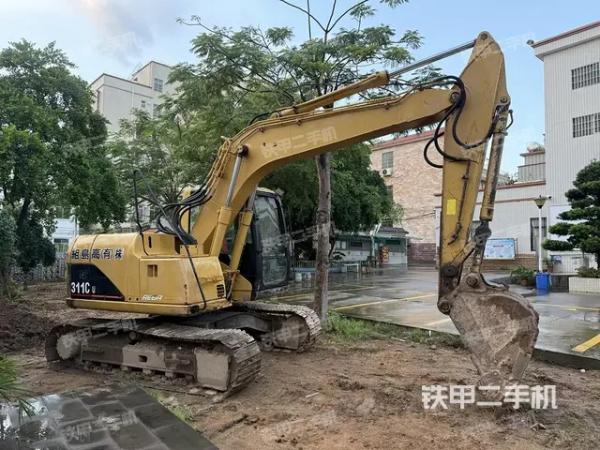
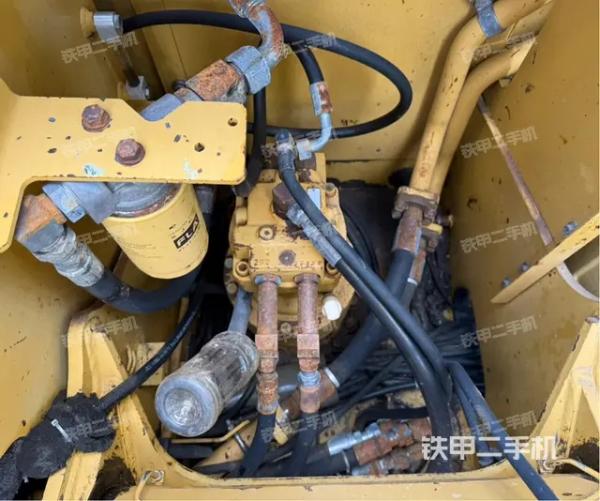
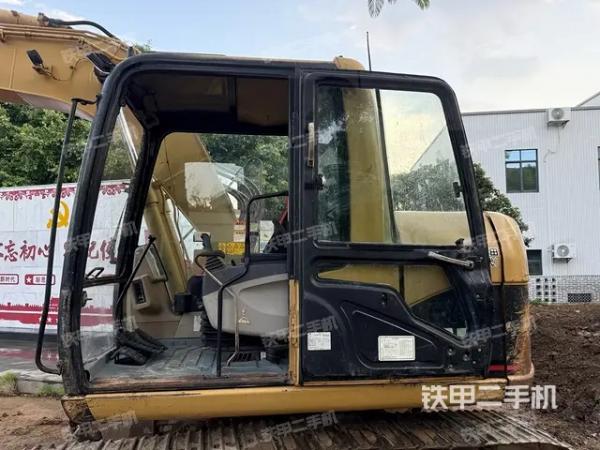
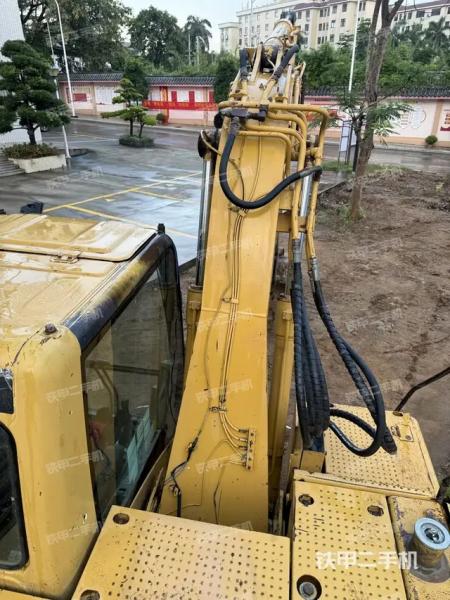
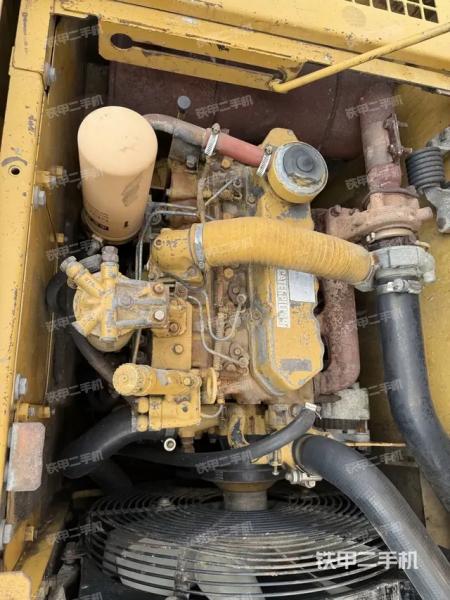
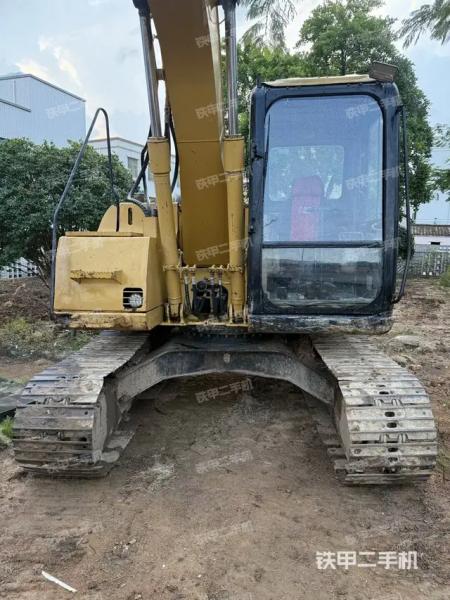
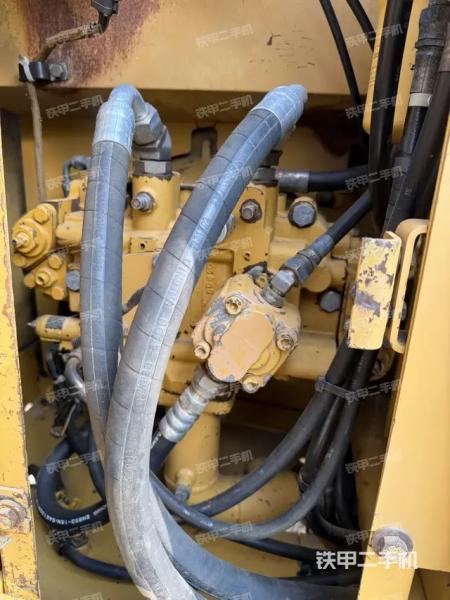
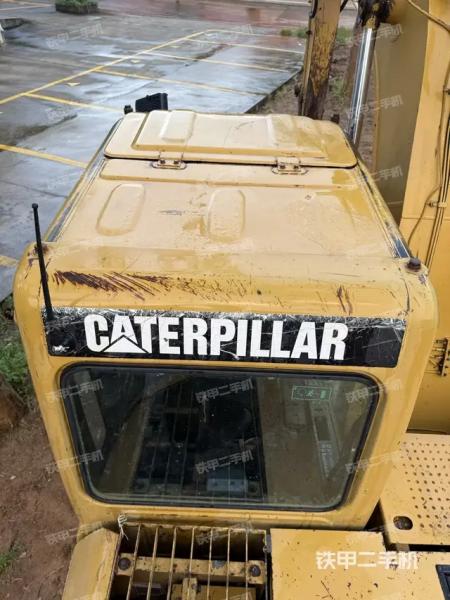
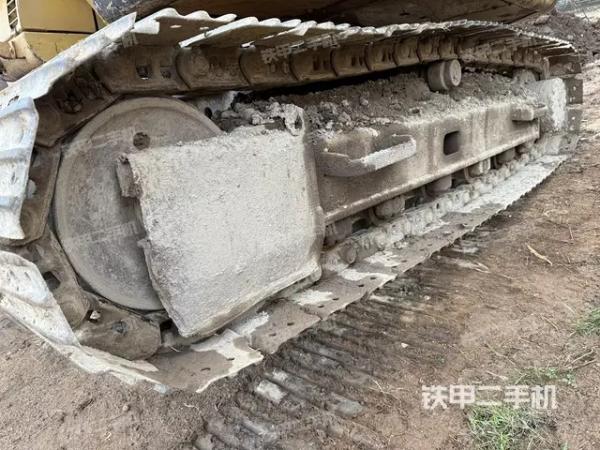
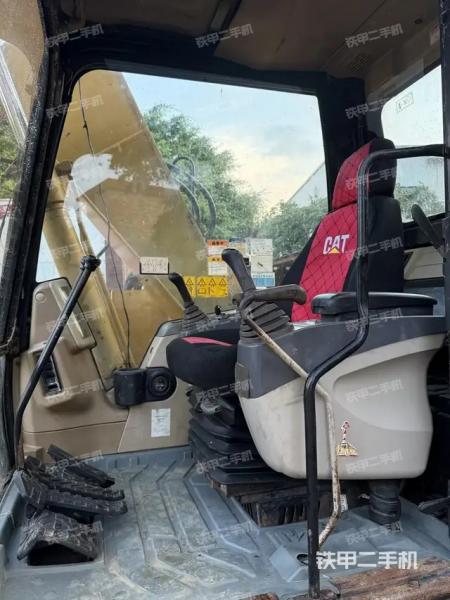
ID:1825102
The Caterpillar 311C, produced in 2006, is a compact and efficient hydraulic excavator that has earned a reputation for delivering strong performance across a wide range of industries. Whether used for construction, landscaping, or demolition, the 311C stands out for its durability, reliability, and ease of use. Known for its fuel efficiency and robust design, this model has been a staple in fleets around the world, thanks to Caterpillar’s long-standing reputation for building high-quality, hard-working machines.
Key Features and Specifications
The Caterpillar 311C excavator is designed to perform efficiently in tight spaces, making it ideal for urban construction sites where space is limited. With a total weight of approximately 11 tons, the 311C combines mobility with power. Below are the key specifications that outline its performance capabilities: - Engine Power: The 311C is powered by a reliable traditional engine, which provides solid performance in various digging and lifting tasks. While exact horsepower is not disclosed in the provided specs, its engine ensures sufficient power for handling demanding excavation and lifting operations.
- Operating Weight: The 311C's weight makes it suitable for most medium-duty tasks, especially in confined areas. It weighs around 11 tons, a balanced weight for stability and lifting capacity, without being overly cumbersome.
- Bucket: The 311C features a backhoe bucket, specifically designed for digging and lifting in different conditions. Its design ensures optimal digging force, providing a high level of versatility for various tasks like trenching, digging foundations, or removing debris.
- Usage: Given its compact size, this excavator is often used in urban development, small to medium construction sites, utility work, and landscaping. Its size allows it to navigate in restricted spaces, making it the machine of choice for operations that demand both power and agility.
Engine and Hydraulic System
The 311C excavator is equipped with a hydraulically powered system that enables efficient operation under tough conditions. With its dependable hydraulic system, the machine can perform various digging, lifting, and grading tasks with high precision.
Hydraulic Performance:
The hydraulic system in the 311C ensures smooth and powerful operation, allowing the machine to perform digging and lifting tasks with ease. The hydraulic system also ensures fast and efficient operation, with the bucket and boom functioning in unison for greater productivity.
Engine and Fuel Efficiency:
The 311C is built to be fuel-efficient, which is crucial for keeping operational costs down, especially in large-scale projects. It features a traditional engine, optimized for performance and durability. Though the machine is 8686 hours old, its engine remains a reliable component of its overall performance.
Performance in Action
The 311C’s size and hydraulic system allow it to work effectively in confined spaces, like those found on city streets or in residential construction. Its impressive digging force and maneuverability are key benefits for contractors working in urban environments where space is a premium.
For example, on a typical job site where compact machines are essential, the 311C excels in trenching, foundation digging, and lifting. It can reach depths of up to 5 meters and handle a variety of bucket sizes for different types of soil or material handling.
Maintenance and Longevity
Caterpillar excavators are known for their durability, and the 311C is no exception. Despite being 15 years old, the machine’s design ensures it remains a reliable option on construction sites. Regular maintenance and timely replacement of key components, such as filters, oil, and hoses, help keep the 311C running smoothly over the years.
When well-maintained, a Caterpillar 311C can continue to operate effectively for many years. Operators are advised to follow routine service intervals for the engine, hydraulic system, and undercarriage, to ensure that it continues to function at its optimal level.
Applications and Popularity
The 311C has been particularly popular in markets requiring compact yet powerful machinery. In regions like Asia and Africa, where infrastructure projects are ongoing, the 311C's versatility and performance have made it a reliable choice. Its compact size enables it to be used in tight urban spaces, while its 11-ton weight ensures it can handle medium-level excavation tasks with ease.
Furthermore, the 311C has been widely used in landscaping and utility work, where its precision and control are critical for digging trenches, preparing ground for pipelines, or performing delicate operations in parks and other public spaces.
Conclusion
The Caterpillar 311C excavator, built in 2006 and now with 8686 hours of operation, remains a powerful and reliable machine for a wide range of industries. Its compact size, robust hydraulic system, and fuel efficiency make it an ideal choice for construction projects where space is limited, but power and precision are essential.
Whether you are working on a construction site, in landscaping, or involved in utility work, the Caterpillar 311C is designed to meet the demands of today’s high-performance standards. It stands as a testament to Caterpillar’s commitment to producing machines that combine durability with innovative engineering.
By following proper maintenance practices and ensuring that key components are checked regularly, this excavator can continue serving the needs of its operator for many more years to come.
|
|
|
|
| 2017 SANY SY195C Excavator Guangdong - Zhanjiang City $22,191 |
|
Posted by: MikePhua - 08-20-2025, 01:32 AM - Forum: Used Excavators Trade
- No Replies
|
|
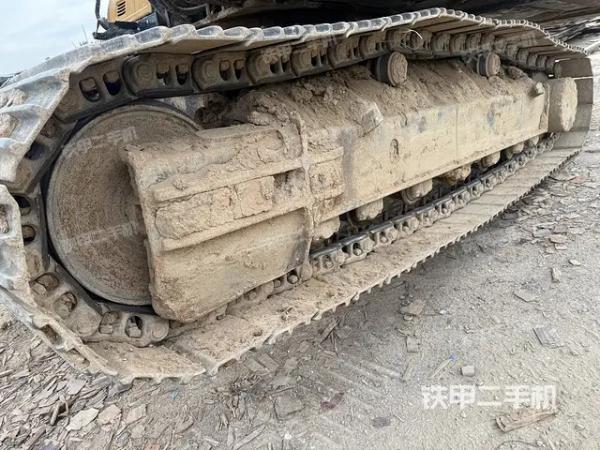
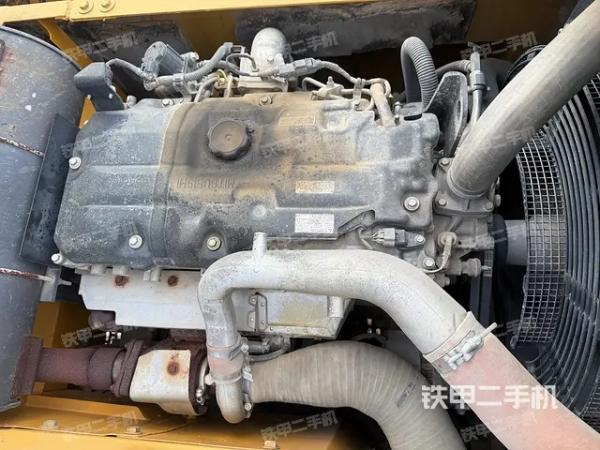
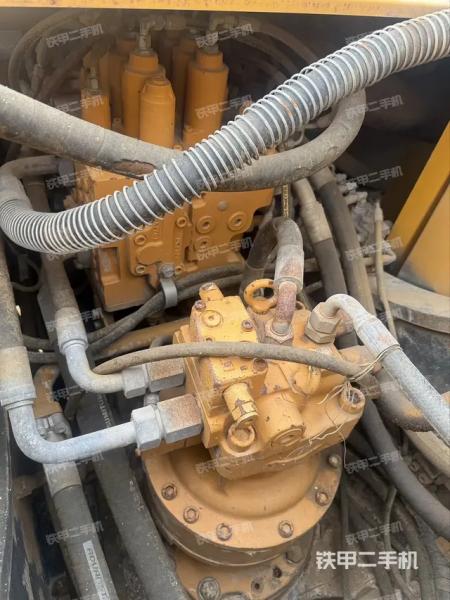
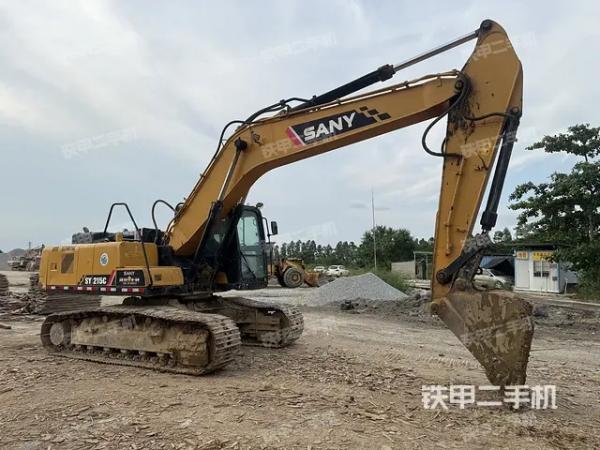
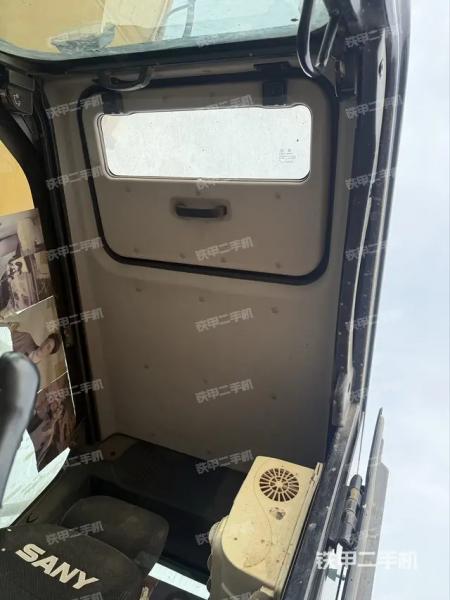
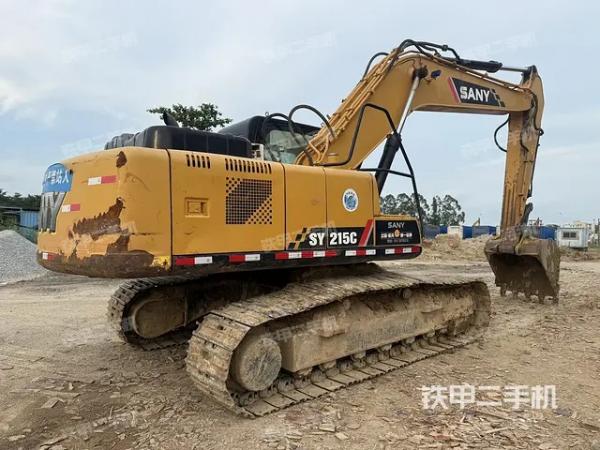
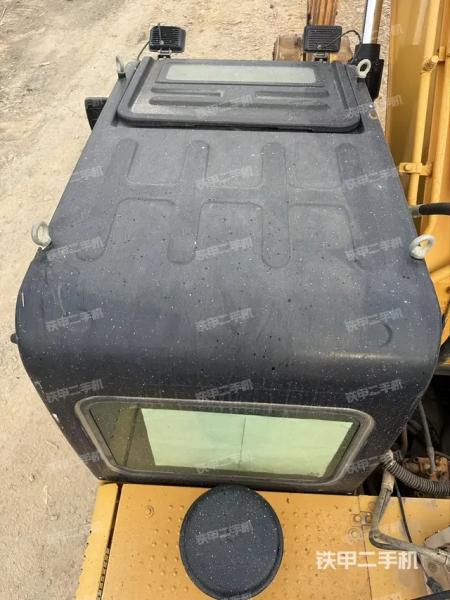
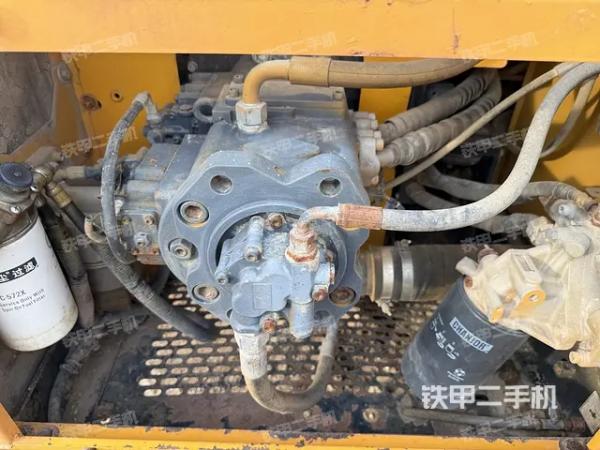
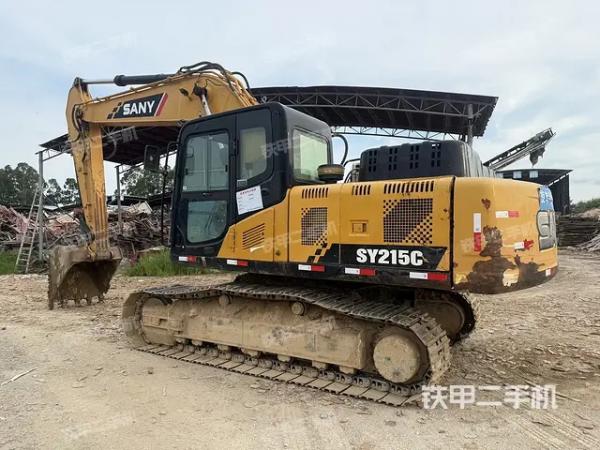
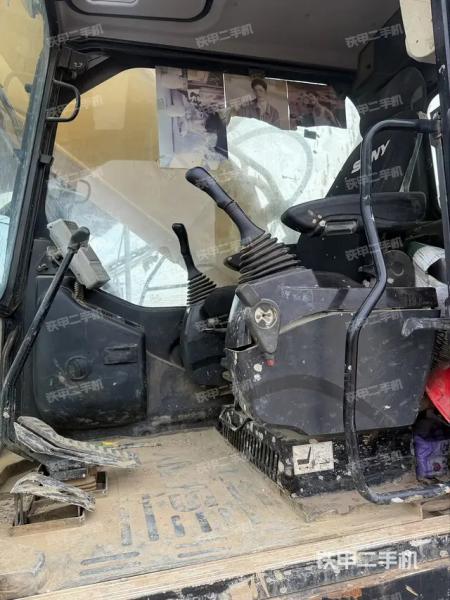
ID:1825097
The 2017 SANY SY195C is a highly capable and efficient excavator designed for a variety of heavy-duty tasks, from construction to mining and earthworks. Manufactured by SANY Heavy Industry, one of China's leading heavy equipment manufacturers, this model combines advanced technology with rugged durability to meet the demands of modern construction and excavation operations. With a track record of performance and reliability, the SY195C has become a staple in construction fleets across the world.
Key Specifications - Brand: SANY
- Model: SY195C
- Year of Manufacture: 2017
- Operating Hours: 7958 hours
- Location: Guangdong - Zhanjiang City
- Operating Weight: 20,900 kg
- Bucket Capacity: 0.8 to 1.1 cubic meters (0.95 m³ average)
- Engine: 4M50, with a displacement of 4.9 liters
- Rated Power: 118 kW at 2000 rpm
- Maximum Torque: 580 Nm at 1600 rpm
Engine and Power System
The SY195C is equipped with a robust 4M50 engine, known for its fuel efficiency and high performance. The engine's rated power of 118 kW ensures that the machine can handle heavy digging and lifting operations. With a displacement of 4.9 liters and a torque output of 580 Nm, the engine is built to provide sufficient power for demanding tasks while maintaining fuel efficiency. This engine is designed to meet stringent environmental standards, ensuring lower emissions and compliance with global regulations.
Hydraulic and Performance Characteristics- Hydraulic System: The excavator features a highly efficient hydraulic system with a maximum hydraulic oil flow rate of 239 liters, optimized for high performance in excavating, lifting, and grading tasks.
- Ground Pressure: The ground pressure is 47.3 kPa, which allows for efficient digging in various soil conditions while minimizing the impact on the surface.
- Rotation Speed: With a rotation speed of 11 rpm, the SY195C offers precision and stability for accurate operation during digging and turning.
- Travel Speed: The excavator offers a travel speed of 5.4 km/h in high range and 3.3 km/h in low range, ensuring both efficiency in movement and the ability to handle rough terrains.
Structural Design and Dimensions
The SANY SY195C is designed with robustness and operator comfort in mind. With an overall length of 9,680 mm and a width of 2,800 mm, this machine can maneuver in confined spaces without compromising on performance. It has a minimum ground clearance of 440 mm, ensuring the machine can traverse rough, uneven ground without damaging the undercarriage. The excavator also features a minimum swing radius of 2,900 mm, which increases its versatility on tight job sites.
Digging and Lifting Capabilities- Maximum Digging Radius: 10,280 mm
- Maximum Digging Depth: 6,600 mm
- Maximum Digging Height: 9,600 mm
- Maximum Unloading Height: 9,600 mm
- Maximum Vertical Digging Depth: 6,255 mm
These parameters make the SY195C ideal for large-scale excavation, lifting operations, and trenching. Its extended reach and impressive depth allow it to be used for deeper digging and more complex tasks compared to smaller excavators.
Efficiency and Fuel Capacity
The fuel tank capacity of 340 liters, combined with a 22-liter engine oil change requirement, allows the excavator to work for extended periods before needing a refill. With the right maintenance, it can sustain optimal performance for long hours, making it suitable for heavy-duty and prolonged operations.
Maintenance and Durability
SANY's commitment to quality is evident in the durable construction of the SY195C. With over 7,900 hours of operation, the machine shows its ability to withstand long-term, intense work environments. Routine maintenance, including regular hydraulic fluid and oil changes, is essential to ensure the machine continues to perform at its best.
Conclusion
The 2017 SANY SY195C is a robust, reliable, and efficient excavator designed for heavy-duty construction and earthmoving applications. With its impressive power output, exceptional digging capabilities, and durable construction, it continues to be a preferred choice for companies seeking a versatile and dependable machine. Whether working on large-scale infrastructure projects or smaller residential tasks, the SY195C is equipped to handle the toughest challenges in the construction industry.
SANY, known for its pioneering technologies and global expansion, has cemented its place as a leader in the heavy machinery market. The SY195C model exemplifies the company’s commitment to creating high-performance machinery that meets the evolving needs of the industry.
|
|
|
|
|



