| Welcome, Guest |
You have to register before you can post on our site.
|
| Forum Statistics |
» Members: 78
» Latest member: cioMAK
» Forum threads: 47,411
» Forum posts: 47,417
Full Statistics
|
| Online Users |
There are currently 135 online users.
» 0 Member(s) | 122 Guest(s)
Ahrefs, Amazon, Applebot, Bing, Bytespider, Claude, DotBot, Google, OpenAI, Petalbot, Semrush, Sogou
|
| Latest Threads |
Identifying and Sourcing ...
Forum: Parts , Attachments & Tools
Last Post: MikePhua
01-07-2026, 06:29 PM
» Replies: 0
» Views: 490
|
Cat 931B Brake Parts
Forum: Parts , Attachments & Tools
Last Post: MikePhua
01-07-2026, 06:29 PM
» Replies: 0
» Views: 276
|
Choosing Between Cat 228,...
Forum: General Discussion
Last Post: MikePhua
01-07-2026, 06:28 PM
» Replies: 0
» Views: 514
|
Hydraulic Delay When Lowe...
Forum: Troubleshooting & Diagnosing
Last Post: MikePhua
01-07-2026, 06:27 PM
» Replies: 0
» Views: 433
|
Bale Chopper and Mulcher ...
Forum: General Discussion
Last Post: MikePhua
01-07-2026, 06:26 PM
» Replies: 0
» Views: 306
|
Mini UC Maintenance
Forum: General Discussion
Last Post: MikePhua
01-07-2026, 06:25 PM
» Replies: 0
» Views: 295
|
Locating Wiring Informati...
Forum: General Discussion
Last Post: MikePhua
01-07-2026, 06:24 PM
» Replies: 0
» Views: 328
|
Case Industrial Brown Sub...
Forum: Parts , Attachments & Tools
Last Post: MikePhua
01-07-2026, 06:23 PM
» Replies: 0
» Views: 269
|
Dirt Work in West Virgini...
Forum: Construction & Urban Infrastructure Forum
Last Post: MikePhua
01-07-2026, 06:23 PM
» Replies: 0
» Views: 365
|
D207 P Hydraulic Steering...
Forum: Parts , Attachments & Tools
Last Post: MikePhua
01-07-2026, 06:22 PM
» Replies: 0
» Views: 295
|
|
|
| Youbou Mill and the Caycuse Backhaul Road 1957 |
|
Posted by: MikePhua - 08-24-2025, 05:56 PM - Forum: Farming, Landscaping, Forestry Industry Forum
- No Replies
|
 |
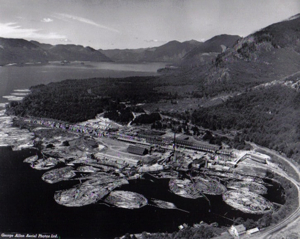
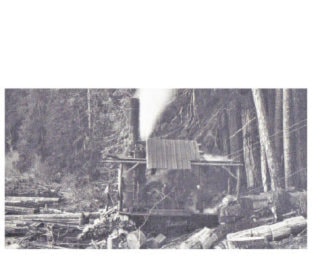
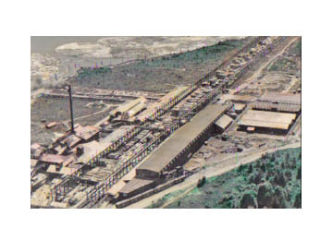

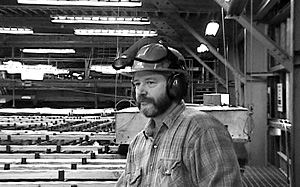
Historical Background
The Youbou Mill, located near Lake Cowichan on Vancouver Island, British Columbia, has deep roots dating back to its founding in 1913 by the Empire Lumber Company. Initially a small portable sawmill, it gradually expanded into one of the largest sawmills in the Lake Cowichan area. The mill is recognized not only for its industrial significance but also for its important association with South Asian Canadian laborers, who were instrumental in its growth and the development of the surrounding community.
Through the early 1900s, Youbou grew from a remote logging site into a thriving company town with infrastructure including mill offices, workers’ accommodations, schools, churches, and community facilities. By 1925, the mill was producing approximately 30,000 to 40,000 board feet of lumber daily, significantly contributing to the local economy.
Community Development
The town that developed around the mill, named Youbou after two Empire Lumber Company founders, became a tightly knit community largely supported by the mill’s operations. The arrival of the Canadian Northern Railway facilitated transportation of lumber to external markets, while a highway finished in 1929 connected Youbou with larger centers, ending its isolation.
By mid-20th century, Youbou featured a full array of amenities including a volunteer fire department and community halls. The company town embodied the industrial spirit of the time alongside the social fabric woven by generations of immigrant labor, particularly from South Asia.
Mill Operations and Technology
The Youbou Mill was notable for its long craneway, cited as one of the largest in the British Empire early on, allowing efficient handling and movement of lumber. Over the decades, the mill saw multiple technological upgrades, including transition from steam-powered equipment to all-electric sawmilling processes by the late 1920s.
The site produced a significant output, peaking during the post-war "long boom" period from 1947 to 1970. The mill employed modern logging and processing technologies of the era, balancing productivity with evolving labor dynamics and mechanization.
Environmental and Economic Impact
The mill’s lifecycle mirrors the boom-and-bust cycles common to resource-based industrial towns. By the late 20th century, shifts in market demand and environmental considerations started to affect operations. The mill finally ceased functioning in 2001, marking the end of a significant chapter in regional logging history.
The closure spurred alliances between former mill workers and environmental groups, reflecting the complex interplay between economic survival and ecological stewardship in resource industries.
Legacy and Present Condition
Today, remnants of the mill are visible as wharf remains, pilings, and partial structures along Youbou Road which serve as a physical testimony to the once extensive operation. The legacy of the Youbou Mill is preserved not only in these materials but in the community itself, which carries forward the history of labor, settlement, and industry tied to the mill’s century-long existence.
Glossary - Craneway: Elevated system for loading and moving lumber efficiently within a mill.
- Board Feet: Measurement unit for lumber volume equivalent to a one-foot length of a board one foot wide and one inch thick.
- Company Town: A town built and operated by a company to house its workers.
- Boom-and-Bust Cycle: Period of rapid economic growth followed by decline typical in resource-dependent communities.
Historical Anecdotes
One notable figure associated with early Youbou was contractor Jesse James, who brought the first steam locomotive to the logging operations. Known for a distinctive lifestyle including social events hosted at the mill camps, James exemplified the colorful characters involved in early forest industry development.
Conclusion
The 1957 Youbou Mill and adjacent Caycuse backhaul road represent a vital chapter in British Columbia’s logging and community history. From pioneering industrial advancements and social developments to environmental and economic transitions, Youbou’s story reflects broader themes of resource utilization and regional development in the Pacific Northwest.
|

|
|
| Eimco 103MC Military Dozer History and Restoration Insights |
|
Posted by: MikePhua - 08-24-2025, 05:54 PM - Forum: General Discussion
- No Replies
|
|
The Origins of Eimco and the 103MC
Eimco (Eastern Iron and Machinery Company), originally founded in the early 20th century, built its reputation on mining and tunneling equipment. By the 1960s, the company had expanded into military-grade earthmoving machinery, producing compact, maneuverable dozers for specialized operations. The 103MC model—designated “MC” for Marine Corps—was developed during the Cold War era to meet the U.S. military’s need for lightweight, transportable equipment that could be deployed rapidly in combat zones or remote construction sites.
Unlike Caterpillar or John Deere, Eimco focused on niche applications. The 103MC was designed to be air-transportable, easy to maintain in the field, and capable of operating in confined environments like minefields, jungle clearings, and amphibious landing zones. Though exact production numbers are elusive, estimates suggest fewer than 1,000 units were built between the early 1960s and mid-1970s, making surviving examples rare and highly collectible.
Design Features and Powertrain
The Eimco 103MC is powered by a Detroit Diesel 6V-71 engine—a two-stroke, six-cylinder powerplant known for its distinctive scream and rugged dependability. This engine produces approximately 238 horsepower and was widely used across military and industrial platforms due to its simplicity and ease of repair.
Key terminology: - 6V-71: A Detroit Diesel engine with six cylinders arranged in a V configuration, displacing 71 cubic inches per cylinder.
- Two-Stroke Diesel: Unlike four-stroke engines, these complete a power cycle in two piston strokes, offering higher power-to-weight ratios but louder operation.
- Air-Start System: Some military variants used compressed air to start the engine, eliminating the need for heavy batteries in cold or remote conditions.
The 103MC’s drivetrain allows for counter-rotational steering—one track forward, one reverse—enabling the machine to spin within its own footprint. This feature, while useful in tight quarters, demands careful blade control due to the operator’s forward seating position directly above the blade.
Operational Challenges and Blade Behavior
Operators often report that grading with the 103MC requires rapid reflexes. Unlike conventional dozers where the blade sits well ahead of the operator, the 103MC places the blade almost beneath the driver’s feet. This configuration shortens the visual feedback loop, making it harder to anticipate grade changes.
In Vietnam-era deployments, Seabees (U.S. Navy construction battalions) used the 103MC for minefield clearance and rapid airstrip construction. The machine’s compact size and agility were assets, but its blade responsiveness and visibility limitations made fine grading difficult. Veterans recall the eerie sensation of “riding the blade,” especially when cresting embankments or working near drop-offs.
Restoration and Maintenance Tips
Restoring a 103MC requires patience and a willingness to source parts creatively. Manuals are scarce, and many components—especially hydraulic fittings and electrical connectors—are military-specific.
Recommended steps:- Engine Overhaul
The 6V-71 often smokes heavily until warm. This is typical of older Detroits and usually stems from worn injectors or low compression. Replacing injectors and checking blower seals can reduce smoke and improve cold starts.
- Track and Undercarriage Inspection
The undercarriage, while robust, can suffer from dry bushings and seized rollers. Grease fittings should be added where possible, and track tension must be checked regularly to prevent derailment during tight turns.
- Hydraulic System Refresh
Replace all flexible hoses with modern equivalents rated for 3,000 psi or higher. Flush the system and install a spin-on filter retrofit to simplify future maintenance.
- Electrical Rewiring
Military wiring often used cloth insulation, which degrades over time. Rewire with marine-grade tinned copper and install a modern fuse block to replace the original breaker system.
Decoding Military Markings
Machines like the 103MC often bear hood numbers such as “48 11921.” These are military registration identifiers. The “48” prefix typically denotes a Navy bulldozer, while the trailing digits are unique to the unit. Many of these machines were stationed at bases like Davisville, Rhode Island, home to the Seabees, before being deployed overseas.
Some units also carried the SEABEE insignia—a stylized bee wielding tools—painted on the cowl. If restoring a machine, tracing this logo’s shadow under old paint layers can add authenticity and historical value.
Field Anecdote from Connecticut
A collector in Connecticut acquired a 1965 Eimco 103MC from a Craigslist listing. The machine ran and steered, but the Detroit engine smoked heavily. After a partial restoration—including injector replacement and linkage adjustment—the dozer was used for clearing trails on private land. The owner noted that while the machine was loud and quirky, it never failed to start, even in freezing weather. He eventually added a winch and front blade rippers sourced from surplus yards in Pennsylvania.
Modern Comparisons and Legacy
While the 103MC is no longer in production, its design philosophy lives on in compact track loaders and mini-dozers used by today’s military and disaster response teams. Machines like the Bobcat T870 or the CASE Minotaur DL550 echo the 103MC’s emphasis on maneuverability and multi-role capability.
In 2022, a restored 103MC was featured at a military vehicle show in Kentucky, drawing attention for its unique layout and historical significance. Attendees marveled at its ability to pivot in place and its unmistakable Detroit Diesel soundtrack.
Conclusion
The Eimco 103MC is more than a relic—it’s a testament to Cold War engineering and battlefield pragmatism. Its compact frame, powerful engine, and distinctive blade placement make it both a challenge and a joy to operate. For collectors and restorers, it offers a rare glimpse into military construction history, where simplicity and reliability were paramount. Whether clearing brush or grading a driveway, the 103MC remains a machine that demands respect, ear protection, and a good dose of mechanical curiosity.
|
|
|
|
| Hercules 2234 Tractor Purchase |
|
Posted by: MikePhua - 08-24-2025, 05:54 PM - Forum: General Discussion
- No Replies
|
|
Machine Background
The Hercules 2234 is a compact utility tractor model manufactured in China by Benye, featuring a modest 23 horsepower (17 kW) engine. Known for its affordability and solid basic construction, the Hercules 2234 is designed for light to medium agricultural and landscaping tasks, suitable for small farms, garden work, and utility operations where maneuverability and ease of maintenance are priorities.
Key Features and Specifications - Engine Power: 23 hp (17 kW)
- Manufacturer: Benye (China)
- Typical Use: Lawn care, light hauling, tillage, and small-scale farming tasks
- Transmission: Usually equipped with basic manual gearbox systems with multiple forward and reverse gears to suit various applications
- Attachments: Compatible with a range of implements such as rotary tillers, plows, loaders, and trailers
Market Position and Availability
The Hercules 2234 targets entry-level tractor buyers looking for a cost-effective, compact machine with straightforward controls and reliable performance. It fills a niche where larger tractors are unnecessarily cumbersome or uneconomical.
Parts and service support for the model hinge largely on third-party dealers and aftermarket suppliers given its Chinese manufacturing origins, although some local specialists offer maintenance expertise in North American markets.
User Insights
Owners appreciate Hercules 2234 tractors for their simplicity and value, noting rugged frames and dependable engines for light chores. Some users report modifications like adding cab enclosures or upgraded hydraulic kits to expand operating comfort and functionality.
Considerations for Purchase- Verify dealer support and parts availability in your region
- Assess compatibility of implements needed for your specific applications
- Factor in training for operators unfamiliar with compact tractor controls
- Evaluate warranty terms and after-sales services
Conclusion
The Hercules 2234 fills the compact utility tractor segment with an economical, practical machine tailored for light agricultural and landscape duties. While not a heavy industrial workhorse, its value proposition remains attractive for small-scale operators focused on cost-effectiveness and basic functionality.
|
|
|
|
| Troubleshooting the Transmission Issues of the John Deere 544B Loader |
|
Posted by: MikePhua - 08-24-2025, 05:53 PM - Forum: Troubleshooting & Diagnosing
- No Replies
|
|
The John Deere 544B is a robust and reliable wheel loader, widely used in construction, mining, and agricultural operations for its superior performance and durability. However, like any piece of heavy machinery, the 544B is not immune to mechanical issues. One of the most commonly reported problems by operators is transmission malfunctions. Transmission issues in the 544B can manifest as slipping, erratic shifting, or even complete failure to engage gears, making the loader unreliable for heavy-duty tasks. Understanding the potential causes behind these issues, knowing how to diagnose them, and learning the steps to correct them can help operators maintain the machine’s efficiency and avoid costly repairs.
The Transmission System in the John Deere 544B
The John Deere 544B is equipped with a powershift transmission system, which allows for smooth shifting between gears without needing to disengage the clutch. This transmission system is designed to handle heavy loads and provide precise control of the machine’s movement, essential for loading and lifting operations. The system uses hydraulic pressure to operate the gears, which are engaged through a series of clutch packs.
Despite its durability, the transmission system in the 544B can develop issues over time, especially if the maintenance schedule is not followed or if the machine is operated under extreme conditions. Common issues include loss of power, slipping gears, and difficulty in shifting between forward and reverse gears.
Symptoms of Transmission Problems
Transmission problems in the John Deere 544B loader can present themselves in various ways. The most common symptoms include: - Slipping Gears: If the transmission fails to maintain power and the gears seem to slip while the loader is in operation, this is a sign that the clutch or the internal components of the transmission may be worn or malfunctioning.
- Erratic Shifting: If the loader shifts roughly or unpredictably between gears, the transmission may be struggling with its hydraulic pressure, or there may be an issue with the shift control valve.
- Failure to Engage Gears: In some cases, the transmission may fail to engage certain gears altogether, preventing the loader from moving forward or backward.
- Overheating: Transmission overheating can also be a sign of issues within the system, often caused by low fluid levels or clogged filters.
Causes of Transmission Failure in the John Deere 544B
Several factors can contribute to transmission failure in the John Deere 544B. Here are some common causes:
- Low or Contaminated Transmission Fluid: The transmission fluid serves as both a lubricant and a hydraulic fluid. If the fluid level is low or the fluid becomes contaminated with dirt, debris, or metal particles, it can cause poor lubrication and inadequate hydraulic pressure. This can result in slipping gears, erratic shifting, or complete transmission failure.
- Worn Clutch Packs: The clutch packs in the transmission are responsible for engaging and disengaging the gears. Over time, these clutch packs can wear out due to constant friction, especially if the machine is used heavily or subjected to rough conditions.
- Faulty Pressure Switch or Valve: The transmission relies on hydraulic pressure to engage gears smoothly. If the pressure switch or control valve malfunctions, it can result in erratic shifting or failure to engage certain gears. This issue can often be traced back to hydraulic component failure or leakage.
- Damaged Torque Converter: The torque converter is a critical component of the transmission, transferring power from the engine to the transmission. If the torque converter becomes damaged or its seals fail, it can cause slipping or a complete loss of power to the wheels.
- Overheating: If the transmission overheats, it can cause the fluid to break down and lose its effectiveness. Overheating is often caused by low fluid levels, inadequate cooling, or a clogged transmission cooler.
Steps to Diagnose and Repair Transmission Issues
Diagnosing transmission issues in the John Deere 544B involves a systematic approach, as many of the symptoms may overlap with issues in other components of the machine. Here is a step-by-step guide to diagnosing and fixing the most common transmission problems:
- Check the Fluid Level and Condition:
- Start by inspecting the transmission fluid level using the dipstick. If the fluid level is low, add the appropriate type of transmission fluid as specified by the manufacturer.
- Examine the fluid’s condition. If it appears dark or gritty, it may be contaminated, and the fluid should be changed.
- Inspect the Clutch Packs:
- Worn or damaged clutch packs may need to be replaced. If the transmission is slipping, particularly in specific gears, the clutch packs are likely the problem. Replacing the clutch packs requires disassembling the transmission, which should be performed by a trained technician.
- Check Hydraulic Pressure:
- Low hydraulic pressure can cause erratic shifting. Use a pressure gauge to test the hydraulic pressure in the transmission system. If the pressure is low, inspect the hydraulic pump and pressure relief valve for any damage or blockages.
- Test the Torque Converter:
- If the transmission is slipping or lacking power, the torque converter may be at fault. This requires a thorough inspection, and if necessary, the torque converter should be replaced.
- Examine the Control Valve and Pressure Switch:
- If the transmission is failing to shift properly, the control valve or pressure switch may be malfunctioning. Inspect these components for any leaks, damage, or signs of wear. Replace any faulty parts.
- Inspect the Cooler and Cooling System:
- Overheating can cause significant damage to the transmission. Inspect the cooler and cooling system to ensure they are functioning correctly. Clean or replace the cooler if necessary, and ensure the fluid levels are correct.
Preventative Measures to Avoid Transmission Issues
Preventing transmission failure in the John Deere 544B requires regular maintenance and proactive measures. Here are some tips to avoid costly repairs:
- Regular Fluid Changes: Changing the transmission fluid at regular intervals can prevent contamination and ensure proper lubrication of the transmission components. Always use the recommended fluid type and check the fluid level frequently.
- Inspect the System Regularly: Routine inspections of the transmission and hydraulic system can help identify potential problems before they cause significant damage. Check for leaks, unusual sounds, or changes in shifting behavior.
- Avoid Overloading: Overloading the machine can put unnecessary strain on the transmission system. Always adhere to the recommended weight limits for the loader and its attachments to ensure that the transmission is not overworked.
- Proper Cooling: Ensure that the transmission cooling system is in good condition. Overheating is a common cause of transmission failure, and a clean, efficient cooler is essential for maintaining proper temperatures.
- Train Operators: Proper training for machine operators can help reduce wear and tear on the transmission system. Operators should be aware of the importance of smooth, gradual shifting and should avoid sudden accelerations or harsh driving, which can strain the transmission.
Conclusion
The John Deere 544B loader is a robust and reliable machine, but like any piece of heavy equipment, it requires proper maintenance to perform at its best. Transmission issues, while not uncommon, can be managed effectively with regular inspections and timely repairs. By understanding the causes behind transmission failure, diagnosing the problem accurately, and following preventative maintenance practices, operators can keep the 544B running smoothly for years to come, minimizing downtime and extending the machine’s service life.
|
|
|
|
| Komatsu Dresser TD8E Dozer Overview and Operation |
|
Posted by: MikePhua - 08-24-2025, 05:21 PM - Forum: General Discussion
- No Replies
|
|
Historical and Manufacturer Context
The Komatsu Dresser TD8E is a crawler tractor model that developed as an evolution from earlier TD-8C models. Produced primarily in the 1970s and 1980s, the TD8E incorporated advances such as turbocharging the 239 cubic inch, 4-cylinder diesel engine to increase power output and efficiency. The Dresser company, known for robust construction machinery, designed the TD8E as a durable, reliable machine capable of medium-duty earthmoving and grading tasks.
Basic Technical Specifications - Engine: DT-239 turbocharged diesel, 4-cylinder, approx. 239 cubic inches displacement (3.9L)
- Horsepower: Around 63-68 hp depending on specific model year and tuning
- Operating Weight: Approximately 17,150 lbs (7,780 kg)
- Dimensions (approximate): Length 13 ft 3 in, Width 6 ft 10 in, Height 8 ft 8 in
- Blade Size: Around 7 ft 8 in width with 16-inch track pads for solid traction on soft ground
- Transmission: Full power shift with multiple gears for varied site demands
Design and Features
The TD8E’s compact size and relatively light weight compared to larger dozers make it suited for tight job sites, forestry, road maintenance, and agricultural work. The turbocharged engine improved fuel efficiency and delivered stronger torque for quicker blade response. The dozer sports ROPS (rollover protection structure) for operator safety and ergonomic controls familiar to operators of other Dresser and Komatsu equipment.
The machine includes wet steering clutches and hydraulic braking systems, supporting smooth maneuvering and reliable stopping under load conditions.
Maintenance Aspects and Common Considerations
Owners regularly highlight the importance of:- Timely engine oil and filter changes; diesel engines like the DT-239 require clean lubricants to maintain combustion efficiency.
- Hydraulics maintenance: The TD8E uses multiple hydraulic systems for steering, blade lift, and winch systems requiring periodic inspection for leaks and filter replacement.
- Undercarriage upkeep: Track tension adjustment and shoe replacement extend track life, reducing overall operating costs.
- Cooling system checks including radiator cleaning and hose inspections to prevent engine overheating.
Glossary- Turbocharger: Device that forces extra air into combustion chamber increasing power output.
- Power Shift Transmission: Transmission allowing gear changes under load without clutch operation.
- ROPS: Roll Over Protective Structure to safeguard operators.
- Wet Clutch: Clutch system utilizing fluid for cooling and torque transfer.
- Track Pads: Components providing traction; width affects ground pressure and site suitability.
User Insights and Anecdotes
A 1974 TD8E owner described finding the machine rugged and reliable after decades of use, noting especially the strong hydraulics and easy steering which enhanced productivity on tough terrain. This user also emphasized the value of having service manuals and parts availability, sometimes challenging for older models but essential for long-term operation.
Others report that modifications made during later production runs affected transmission sizes and features, highlighting the importance of verifying serial numbers and model designations when sourcing parts or manuals.
Conclusion
The Komatsu Dresser TD8E remains a respected model in the crawler dozer segment for its balance of durability, moderate power, and manageable size. Its turbocharged diesel engine and power-shift transmission support versatile applications ranging from light construction to forestry. With proper maintenance focusing on engine health, hydraulics, and undercarriage, operators can preserve the TD8E as a dependable machine well beyond its initial service life.
|
|
|
|
| Replacing the Twin Pump on a Case 1840 Skid Steer |
|
Posted by: MikePhua - 08-24-2025, 05:20 PM - Forum: Troubleshooting & Diagnosing
- No Replies
|
|
The Case 1840 skid steer loader, a reliable machine known for its versatility in construction and landscaping, occasionally faces mechanical issues that require attention. One of the more challenging problems that operators might encounter is the need to replace the twin hydraulic pump. This issue, while not uncommon in older models, can significantly affect the machine’s performance, causing a decrease in hydraulic efficiency, erratic movements, and even complete system failure. Understanding the reasons behind the failure of the twin pump, the process for replacement, and preventative measures can help extend the life of the machine and avoid costly repairs.
Understanding the Hydraulic System in the Case 1840
The Case 1840, manufactured by Case Construction Equipment, is equipped with a hydraulic system designed to power the loader’s movement and attachment operations. The twin pump system in the 1840 is integral to these hydraulic functions, providing power to both the drive and auxiliary circuits. When the hydraulic pump begins to fail, it affects the overall functionality of the machine, leading to poor performance or even the complete inability to operate the loader efficiently.
The hydraulic system in the Case 1840 consists of two pumps that work in tandem to supply fluid pressure. These pumps are crucial for both lifting the loader arms and powering various attachments like buckets, forks, or augers. A malfunction in one or both of the pumps can cause a drop in pressure, leading to slower movements, reduced lifting capacity, or erratic operation of the attachments.
Symptoms of a Failing Twin Pump
Recognizing the signs of a failing twin pump early on is essential for minimizing downtime and preventing further damage to the hydraulic system. Some of the most common symptoms include: - Slow Arm Movement: If the loader arms are slow to lift or lower, this can indicate that the pump is no longer delivering the required pressure.
- Erratic Attachment Operation: Attachments might not function properly, either operating too slowly or not responding at all.
- Noisy Operation: A failing pump often produces unusual sounds, such as whining or grinding noises, due to internal wear or loss of pressure.
- Fluid Leaks: Leaks around the pump housing or connections may indicate a failing pump seal or internal damage.
- Loss of Steering Control: If the hydraulic fluid pressure is low, the machine’s steering could become unresponsive, leading to difficult maneuverability.
Replacing the Twin Pump on the Case 1840
Replacing the twin pump on the Case 1840 is a job that requires technical expertise and a careful approach. It involves several steps, which include removing the old pump, installing the new one, and ensuring that the hydraulic system is properly primed and tested. Here is a general overview of the process:
- Preparation: Before starting, ensure the machine is on stable ground, and all safety protocols are followed. Disconnect the battery and relieve hydraulic pressure to avoid accidents during the replacement.
- Removing the Old Pump:
- Locate the twin pump unit, which is typically found near the hydraulic reservoir.
- Remove any covers or components blocking access to the pump.
- Disconnect the hydraulic lines carefully, ensuring that no fluid spills. It is recommended to have a drain pan nearby to catch any residual fluid.
- Unscrew and remove the pump mounting bolts, and carefully extract the old pump from its housing.
- Installing the New Pump:
- Position the new twin pump in the same orientation as the old one.
- Reinstall the mounting bolts securely to hold the pump in place.
- Reconnect the hydraulic lines, ensuring that each connection is tight to prevent leaks.
- Reinstall any covers or components that were removed to access the pump.
- Priming and Testing:
- Once the new pump is installed, it is important to prime the hydraulic system to eliminate any air pockets that could affect the performance.
- Fill the hydraulic reservoir with the appropriate type and amount of hydraulic fluid as specified by the manufacturer.
- Start the engine and let it idle while observing the system for leaks or irregularities in pressure.
- Test the loader arms and attachments to ensure they respond smoothly and at the proper speed.
- Final Checks: After installation and testing, check for any unusual sounds or leaks, and verify that the hydraulic fluid level remains stable. If all tests pass, the machine is ready for operation.
Choosing the Right Replacement Pump
When replacing the twin pump in the Case 1840, it is essential to choose a pump that matches the specifications of the original equipment. Using aftermarket parts may be tempting due to their lower cost, but it is always safer to go with genuine Case parts or those that meet OEM (Original Equipment Manufacturer) standards. This ensures compatibility and reliability, ultimately extending the lifespan of your machine and avoiding premature wear.
Maintenance Tips to Prevent Future Pump Failures
Preventing premature pump failure in the Case 1840 starts with regular maintenance. Here are some useful tips to keep your hydraulic system running smoothly:
- Monitor Hydraulic Fluid Levels: Ensure that the hydraulic fluid is always at the correct level. Low fluid can lead to pump damage due to inadequate lubrication and cooling.
- Change Hydraulic Fluid Regularly: Over time, hydraulic fluid can break down and become contaminated, affecting the performance of the pumps. Regular fluid changes can help keep the system clean and efficient.
- Inspect Hydraulic Lines and Fittings: Check the hydraulic lines regularly for leaks or wear. Damaged hoses or fittings can lead to fluid loss, affecting the pressure and performance of the pumps.
- Avoid Overloading the Machine: Operating the Case 1840 beyond its capacity can put excessive strain on the hydraulic system, leading to premature pump failure.
- Use the Right Attachments: Ensure that the attachments you are using are compatible with the machine’s hydraulic system. Using attachments that require more pressure than the system can provide can damage the pumps over time.
Conclusion
The Case 1840 is a reliable and powerful skid steer loader, but like any heavy machinery, its hydraulic system requires regular maintenance to function at its best. Replacing the twin hydraulic pump is a complex but manageable task for skilled operators, and understanding the process can save both time and money. Regular inspections, proper fluid maintenance, and careful operation can go a long way in preventing issues with the twin pump, ensuring the longevity of the equipment. By staying proactive and following proper maintenance protocols, operators can keep their Case 1840 skid steers running smoothly for years.
|
|
|
|
| Jacobsen HR 9016 Mower Overview and Parts |
|
Posted by: MikePhua - 08-24-2025, 05:20 PM - Forum: General Discussion
- No Replies
|
|
Machine Overview and Manufacturer
The Jacobsen HR 9016 is a robust wide-area rotary mower primarily designed for professional turf and landscape maintenance, widely used on golf courses, parks, and large estates. Manufactured by Jacobsen, a well-regarded name in turf maintenance equipment, the HR 9016 integrates heavy-duty components engineered for reliability, efficiency, and ease of service. It features a wide cutting path of approximately 192 inches (16 feet), allowing for expedited mowing of large areas.
This model is equipped with a Kubota V3300T turbocharged diesel engine producing approximately 90 horsepower. Its hydrostatic drive system, combined with a 4-wheel-drive layout, provides excellent traction and maneuverability on varied terrains.
Technical Specifications and Features - Engine: Kubota V3300T turbo diesel, 3.3 liters displacement, delivering 90 hp at 2600 rpm
- Cutting Width: 192 inches (487.7 cm) total, utilizing a front deck of 92 inches and two 59-inch side decks
- Number of Blades: Five blades on the front deck, three on each side deck
- Blade Speed: Approximately 16,500 ft/min tip speed
- Tires: Front—29x14-15 (12 ply), Rear—24x12-12 (6 ply), inflated to 20-22 psi for optimal traction
- Hydraulic System: 55-gallon capacity with a 33-gallon reservoir, using ISO VG 68 fluid with hydraulic oil cooler
- Brakes: Dynamic service braking through the traction circuit; mechanical parking brake on front wheels
- Operator Comfort: Features an open or enclosed cab with ROPS, deluxe seat options, and comprehensive operator controls including hydrostatic steering and wiper switches
- Fuel Capacity: 35 gallons (132.5 liters), capable of extended operations with common fuel grades and cetane ratings of 45 or higher
Service, Maintenance, and Parts Considerations
The HR 9016 supports routine maintenance with accessible service points such as oil and hydraulic filters, blade sharpening, and tire inspections. Parts availability is generally good for key engine components, hydraulics, blades, spindles, tires, and electronic controls due to Jacobsen’s established supply networks.
Maintenance routines include:- Regular blade inspections and sharpening to maintain turf health and cut quality
- Hydraulic fluid and filter replacements to avoid system degradation
- Battery checks and electrical system diagnostics especially for wiper and ignition systems
- Tire pressure monitoring for consistent traction and wear patterns
- Lubrication of pivot points and drivetrain components
Glossary- Hydrostatic Drive: A transmission system allowing variable speed control through hydraulic pumps and motors.
- ROPS (Roll-Over Protective Structure): Safety frame or cab feature designed to protect the operator in case of machine rollover.
- Tip Speed: The velocity of blade edge movement, influencing cutting quality.
- Hydraulic Oil Cooler: A heat exchanger that maintains optimal hydraulic fluid temperature.
- Dynamic Braking: A braking method using the hydraulic system to slow or stop movement.
Operational Benefits and Anecdotes
Operators appreciate the wide cutting width and efficient hydraulics, which combine to reduce mowing time while maintaining excellent precision in turf health. One golf course superintendent reported a 20% reduction in mowing time after upgrading to the HR 9016 from older mowers, citing better maneuverability and blade control.
Accessories like cab doors and enclosed cabs improve operator comfort in adverse weather, with effective wiper systems critical for visibility during rain or dew.
Conclusion
The Jacobsen HR 9016 rotary mower is a highly capable machine designed for large-scale turf maintenance with powerful engine performance, advanced hydraulic systems, and ergonomic operator controls. Its wide cutting width and durable construction make it a valuable tool for professional groundskeepers looking to enhance efficiency and quality. Regular maintenance and access to replacement parts ensure longevity and sustained performance in demanding environments.
|
|
|
|
| Galion 118B Motor Grader Troubleshooting and Legacy |
|
Posted by: MikePhua - 08-24-2025, 05:19 PM - Forum: Troubleshooting & Diagnosing
- No Replies
|
|
The Rise of Galion and the 118B’s Place in Grading History
The Galion Iron Works Company, founded in Ohio in the late 1800s, was one of the earliest innovators in road construction machinery. By the mid-20th century, Galion had become synonymous with motor graders, producing a range of models that served municipalities, contractors, and military operations worldwide. The 118B, introduced in the 1970s and continuing into the early 1980s, was a mid-sized grader designed for versatility and durability. It featured mechanical simplicity, robust steel construction, and a drivetrain that could withstand years of punishing use.
While exact sales figures for the 118B are hard to pin down, Galion’s graders were widely adopted across North America and parts of Africa and Asia. The 118B became particularly popular in rural road maintenance fleets and among independent contractors who valued its straightforward mechanics over newer, more electronically complex machines.
Transmission Quirks and Low Range Slippage
One of the more persistent issues reported by operators of the Galion 118B is its tendency to jump out of low range during operation. This symptom typically manifests when the machine is under load or navigating uneven terrain. The root cause often lies in the mechanical linkage system that connects the gear selector to the transmission.
Key terminology: - Range Selector: A lever or control mechanism that allows the operator to choose between high and low gear ranges.
- Linkage Slack: Excessive play or looseness in the mechanical rods and joints that transmit motion from the operator’s controls to the transmission.
- Detent Mechanism: A spring-loaded device within the transmission that holds the gear selector in place.
Over time, the 118B’s linkage system—comprising dozens of pivot points, bushings, and rods—can develop slack due to wear, corrosion, or improper adjustment. When this happens, the range selector may not fully engage the detent, allowing vibration or torque to knock it out of position. In some cases, the detent spring itself may weaken, compounding the issue.
Field Fixes and Practical Solutions
Operators facing this issue have found success with several hands-on remedies:- Inspect and Tighten Linkage
Begin by tracing the entire gear selector linkage from the cab to the transmission. Look for worn bushings, elongated holes, or loose fasteners. Replacing worn components and adjusting the linkage length can restore proper engagement.
- Rebuild the Detent Assembly
If the linkage is sound but the gear still slips, the detent mechanism inside the transmission may need attention. This involves removing the top cover of the transmission, inspecting the spring and ball assembly, and replacing any fatigued parts.
- Add a Positive Lock
In extreme cases, some operators have fabricated a mechanical lock or detent override to hold the selector in low range. While not factory-approved, these field modifications can be effective in remote areas where parts are scarce.
Can It Be Converted to an Automatic Transmission?
The idea of converting a Galion 118B to an automatic transmission is ambitious but not impossible. The original drivetrain is built around a manual gearbox paired with a torque converter or direct clutch system, depending on the variant. Swapping in an automatic transmission would require:- A compatible transmission with similar torque ratings and mounting dimensions.
- Custom fabrication of bell housings and driveshafts.
- Integration of hydraulic controls and cooling systems.
- Rewiring of the control panel and throttle interface.
Given the cost and complexity, most owners opt to repair the existing system rather than retrofit. However, in regions like South Africa, where parts for older graders are increasingly hard to find, some workshops have successfully installed Allison automatic transmissions salvaged from military vehicles or buses.
Anecdote from the Karoo
In the semi-arid Karoo region of South Africa, a road maintenance crew faced repeated low-range slippage on their aging 118B. After months of frustration, a retired mechanic named Koos diagnosed the issue as a bent selector rod caused by a minor collision years earlier. Using a torch and a homemade jig, he straightened the rod and added a grease fitting to the pivot point. The grader ran flawlessly for another five years. Koos’s fix became local legend, and his technique was later adopted by neighboring districts.
Preventive Maintenance Tips
To keep the Galion 118B in peak condition:- Lubricate all pivot points monthly, especially in dusty environments.
- Check linkage alignment quarterly, using a straightedge and feeler gauges.
- Replace detent springs every 2,000 hours, or sooner if slippage occurs.
- Avoid aggressive downshifting under load, which can stress the selector mechanism.
The Galion Legacy in Modern Context
Although Galion was eventually absorbed into larger corporate entities—first by Dresser Industries and later by Komatsu—their graders remain a symbol of mechanical reliability. The 118B, in particular, is still found in municipal yards, private fleets, and even military surplus auctions. Its simplicity makes it a favorite among mechanics who prefer wrenches to laptops.
In 2023, a small town in Montana auctioned off its last Galion 118B for $6,200. The winning bidder, a local rancher, planned to use it for maintaining firebreaks and access roads. He remarked, “It’s not fancy, but it’ll outlast anything with a touchscreen.”
Conclusion
The Galion 118B motor grader may be decades old, but its mechanical heart still beats strong. Issues like low-range slippage are reminders of the importance of linkage integrity and thoughtful maintenance. Whether you're restoring one for work or nostalgia, the 118B offers a hands-on education in durable design and field ingenuity. In a world of increasingly complex machinery, it stands as a testament to the power of simplicity.
|
|
|
|
| Excavator Thumbs Overview |
|
Posted by: MikePhua - 08-24-2025, 05:19 PM - Forum: Parts , Attachments & Tools
- No Replies
|
|
Function and Importance
Excavator thumbs are specialized attachments designed to work alongside the bucket to grip, pick, sort, and move materials efficiently. By providing a counterpart to the bucket’s edge, thumbs enable operators to handle a wider variety of materials—such as rocks, logs, brush, and demolition debris—while maintaining precise control and stability.
Thumbs improve productivity by aiding in load security and minimizing material loss during transport. They allow for safer and faster handling of irregular objects, especially in applications involving scrap, forestry, or landscaping.
Types of Thumbs - Mechanical Thumbs: Operated manually by the operator or via cables/pins, mechanical thumbs are simpler, usually mounted directly on the bucket or excavator arm. They are robust, lower-maintenance, and suited for smaller machines or less frequent thumb usage.
- Hydraulic Thumbs: These provide enhanced control and ease of use via hydraulic cylinders actuated from the excavator cab. Hydraulic thumbs often have more precise positioning and faster response times, preferred in applications requiring frequent opening and closing of the thumb.
- Pro Series Hydraulic Thumbs: Caterpillar’s Pro Series features heavy-duty design with hardened, wear-resistant steel and chrome-plated pins ensuring durability. These thumbs rotate in sync with the bucket around the same pin, securing loads by matching bucket movement dynamics. The Pro Plus variant offers extended rotation range for improved load control at full reach and in tight spaces, especially useful in loading high-sided trucks or building rock walls.
- Utility Thumbs: Narrow and lightweight, utility hydraulic thumbs provide good visibility and load management without excessive weight. Ideal for mixed-fleet applications needing a versatile thumb without heavy-duty performance requirements.
- Stiff Link Thumbs: Featuring a rigid link between thumb and stick, these thumbs offer a robust solution for heavy load control. They are designed to resist bending and wear during land clearing and heavy material handling, allowing for easy single-person deployment and storage.
Key Specifications
Thumb sizes vary according to the carrier machine weight class, with width ranging from 8 inches for small excavators up to 36 inches for large machines weighing over 80,000 pounds. Lengths also vary to match bucket sizes and machine reach.
Typical thumb specifications include:- Thumb Width: 8 to 36 inches
- Thumb Length: 28 to 84 inches
- Pin Diameter: 2.0 to 3.5 inches, chrome-plated for durability
- Tine Thickness: 0.5 inches (small thumbs) up to 2.0 inches (large thumbs)
- Number of Tines: Usually 2 to 4 depending on size and application
Weights can range from about 100 lbs for small mechanical thumbs to nearly 3,000 lbs for large hydraulic thumbs on heavy excavators.
Glossary- Pin and Bushing: Wear components that allow rotation of the thumb around the mounting point.
- Tine: The gripping fingers or bars of the thumb.
- Load Control: The measure of how well the thumb secures material in conjunction with the bucket.
- Rotation Range: The degree to which the thumb can move to adapt to different grip positions.
User Experience and Practical Advice
Operators report that selecting the correct thumb size matched to machine weight and bucket dimension greatly impacts control and efficiency. Hydraulic thumbs reduce operator fatigue and facilitate multitasking, whereas mechanical thumbs appeal for simplicity and lower maintenance costs.
In forestry, users emphasize the advantage of stiff link thumbs due to their ruggedness in handling logs, while demolition contractors favor Pro Series hydraulic thumbs for precision grab in tight spaces.
Market and Product Development
Caterpillar and other manufacturers continue investing in thumb design innovations—combining material strength, ergonomic hydraulic controls, and integrated mounting kits—to enhance machine versatility. This trend reflects the broadening use of excavators beyond digging into material handling, contributing to productivity improvements across industries.
Conclusion
Excavator thumbs are indispensable attachments that significantly extend the functionality of excavators. Selecting the appropriate thumb type and size depending on machine weight, application, and operator preferences leads to improved efficiency and safety in material handling tasks. Continued advances in thumb technology, such as patented control s and enhanced wear resistance, promise ongoing benefits to excavator users worldwide.
|
|
|
|
| Resetting Service Codes on the Caterpillar 953C Track Loader |
|
Posted by: MikePhua - 08-24-2025, 05:18 PM - Forum: Troubleshooting & Diagnosing
- No Replies
|
|
The Legacy of the 953C
The Caterpillar 953C track loader represents a pivotal evolution in Caterpillar’s mid-size crawler loader lineup. Introduced in the late 1990s as a successor to the 953B, the 953C brought significant improvements in operator comfort, hydraulic responsiveness, and electronic diagnostics. Manufactured by Caterpillar Inc.—a company founded in 1925 and now one of the world’s largest construction equipment manufacturers—the 953C was designed to meet the growing demand for versatile, emissions-compliant machines in earthmoving, demolition, and utility work.
By the early 2000s, Caterpillar had sold tens of thousands of 953-series loaders globally, with the 953C becoming a staple in fleets across North America, Europe, and Asia. Its popularity stemmed from its balance of power (approximately 125 net horsepower), maneuverability, and rugged undercarriage design. The integration of onboard diagnostics and service code monitoring was a leap forward, but it also introduced new challenges for operators unfamiliar with electronic fault systems.
Understanding the Diagnostic Panel
At the heart of the 953C’s troubleshooting system lies the monitor panel, typically located in the operator’s cab. This panel includes a service code icon and a set of three switches—commonly labeled as Mode, Scroll, and Clear. These switches allow technicians to access, interpret, and reset diagnostic fault codes stored in the machine’s electronic control module (ECM).
Terminology worth noting: - Diagnostic Code (DTC): A numerical identifier stored in the ECM that corresponds to a specific fault or abnormal condition.
- ECM (Electronic Control Module): The onboard computer that monitors and controls engine, transmission, and hydraulic functions.
- Self-Test Sequence: A brief diagnostic check performed automatically when the ignition key is turned on.
Step-by-Step Reset Procedure
Resetting service codes on the 953C is not merely a button press—it requires a precise sequence to avoid triggering unintended modes or calibration routines. Here’s a detailed breakdown:
- Power On and Wait
Turn the ignition key to the ON position. Allow the monitor panel to complete its self-test. This usually takes a few seconds and ensures the system is ready for input.
- Enter Diagnostic Mode
Simultaneously press and hold the Service and Clear switches. The panel will begin cycling through numeric indicators: “-0-”, “-1-”, “-2-”, and so on. Release both switches when “-3-” appears. This places the system into diagnostic code review mode.
- Review and Clear Codes
The first stored diagnostic code will appear. If the SERV CODE icon lights up, the fault is active and cannot be cleared until the underlying issue is resolved.- To clear an inactive code, press and hold the Clear switch for 2–3 seconds.
- If the code is active, press the Scroll switch briefly to move to the next code.
- Repeat until the display shows “---” or “No Codes,” indicating all clearable faults have been addressed.
- Exit Diagnostic Mode
Again, press and hold both Service and Clear switches. The panel will cycle past “-3-” to “-4-”, “-5-”, etc. Continue holding until “-0-” reappears. Release the switches. The system returns to normal operating mode.
Common Pitfalls and Operator Cautions
One of the most frequent mistakes made during code resets is attempting to clear active faults without resolving the root cause. For example, a persistent hydraulic pressure code might stem from a clogged filter or faulty sensor. Clearing the code without addressing the issue can lead to system derating or even component damage.
Another risk lies in misusing the third switch—often labeled “Calibrate.” This switch is reserved for advanced functions such as joystick calibration or hydraulic tuning. Accidental activation can disrupt machine responsiveness or require dealer-level reprogramming.
Field Anecdote from Western Pennsylvania
A technician in Murrysville, PA once shared a story about a 953C that refused to clear its codes despite multiple reset attempts. The culprit? A frayed wire behind the right-hand cab panel that intermittently shorted the hydraulic pressure sensor. The machine would pass its self-test, but the SERV CODE icon would reappear within seconds. After tracing the harness and replacing the damaged section, the codes cleared instantly. This underscores the importance of thorough physical inspection alongside electronic diagnostics.
Preventive Measures and Best Practices
To minimize service code issues and ensure smoother resets:- Regularly inspect wiring harnesses, especially near high-vibration zones like the cab mounts and engine bay.
- Keep the monitor panel clean and dry, as moisture intrusion can cause erratic switch behavior.
- Log all diagnostic codes before clearing them. This helps track recurring faults and supports long-term maintenance planning.
- Avoid using the calibration switch unless guided by a certified technician or service manual.
Industry Trends and Future Outlook
As of 2025, Caterpillar has shifted toward telematics-enabled loaders with remote diagnostics and cloud-based fault tracking. However, legacy machines like the 953C remain in active service across thousands of job sites. Their mechanical robustness and straightforward design make them ideal for owner-operators and small contractors.
In fact, a recent survey by EquipmentWatch found that over 60% of mid-size track loaders in use today are models introduced before 2010. This longevity speaks to the importance of mastering diagnostic procedures and understanding the quirks of older electronic systems.
Conclusion
Resetting service codes on the Caterpillar 953C is a manageable task when approached methodically. By understanding the diagnostic panel, respecting the calibration functions, and addressing root causes—not just symptoms—operators can keep these workhorses running smoothly. In a world increasingly dominated by digital diagnostics, the 953C reminds us that a blend of electronic savvy and mechanical intuition still reigns supreme.
|
|
|
|
|



