| Welcome, Guest |
You have to register before you can post on our site.
|
| Forum Statistics |
» Members: 74
» Latest member: Tomo
» Forum threads: 47,413
» Forum posts: 47,419
Full Statistics
|
| Online Users |
There are currently 54 online users.
» 1 Member(s) | 42 Guest(s)
Amazon, Applebot, Bing, Claude, Facebook, Google, OpenAI, Petalbot, Semrush, Twitter, root
|
| Latest Threads |
Identifying and Sourcing ...
Forum: Parts , Attachments & Tools
Last Post: MikePhua
01-07-2026, 06:29 PM
» Replies: 0
» Views: 470
|
Cat 931B Brake Parts
Forum: Parts , Attachments & Tools
Last Post: MikePhua
01-07-2026, 06:29 PM
» Replies: 0
» Views: 271
|
Choosing Between Cat 228,...
Forum: General Discussion
Last Post: MikePhua
01-07-2026, 06:28 PM
» Replies: 0
» Views: 493
|
Fix It or Part It Out
Forum: General Discussion
Last Post: MikePhua
01-07-2026, 06:27 PM
» Replies: 0
» Views: 338
|
Hydraulic Delay When Lowe...
Forum: Troubleshooting & Diagnosing
Last Post: MikePhua
01-07-2026, 06:27 PM
» Replies: 0
» Views: 424
|
Bale Chopper and Mulcher ...
Forum: General Discussion
Last Post: MikePhua
01-07-2026, 06:26 PM
» Replies: 0
» Views: 298
|
Mini UC Maintenance
Forum: General Discussion
Last Post: MikePhua
01-07-2026, 06:25 PM
» Replies: 0
» Views: 287
|
Locating Wiring Informati...
Forum: General Discussion
Last Post: MikePhua
01-07-2026, 06:24 PM
» Replies: 0
» Views: 322
|
Case Industrial Brown Sub...
Forum: Parts , Attachments & Tools
Last Post: MikePhua
01-07-2026, 06:23 PM
» Replies: 0
» Views: 264
|
Dirt Work in West Virgini...
Forum: Construction & Urban Infrastructure Forum
Last Post: MikePhua
01-07-2026, 06:23 PM
» Replies: 0
» Views: 358
|
|
|
| Diagnosing Transmission Engagement Issues on the Caterpillar D9H |
|
Posted by: MikePhua - 08-26-2025, 08:49 PM - Forum: Troubleshooting & Diagnosing
- No Replies
|
 |
The D9H and Its Role in Heavy Earthmoving
The Caterpillar D9H was introduced in the mid-1970s as a high-horsepower crawler tractor designed for mining, road building, and large-scale land clearing. Powered by the legendary Cat D353 engine, the D9H delivered over 410 flywheel horsepower and featured a torque converter drive system paired with a three-speed powershift transmission. Its robust undercarriage and modular design made it a favorite in harsh environments, from the deserts of Australia to the mountains of Armenia.
Caterpillar’s D9 series has been a cornerstone of the company’s dozer lineup since the 1950s. The D9H, in particular, marked a transition toward more operator-friendly controls and improved hydraulic integration. By the time production ended in the early 1980s, thousands of units had been sold globally, many of which remain in service today due to their rebuildable architecture and parts availability.
Symptoms of Transmission Engagement Failure
A recurring issue in aging D9H units is difficulty engaging forward or reverse gears once the machine reaches operating temperature. Operators report that the dozer starts and idles normally, but after warming up, the transmission refuses to shift into gear. This behavior suggests a hydraulic or pressure-related fault rather than a mechanical failure.
Typical symptoms include: - Neutral gear engages normally at startup
- Forward and reverse gears fail to engage after warm-up
- No grinding or mechanical noise during shift attempt
- Engine does not stall or surge when gear is selected
- Transmission oil appears clean but may be low on pressure
Terminology Clarification- Torque Converter: A fluid coupling that transmits engine power to the transmission, allowing smooth gear changes under load.
- Powershift Transmission: A hydraulic-actuated gearbox that shifts gears without clutching, common in heavy equipment.
- Magnetic Strainer: A filter that captures metallic debris in the hydraulic fluid, often located near the transmission pump.
- Transmission Pressure: The hydraulic pressure required to actuate clutch packs and enable gear engagement.
Root Cause and Diagnostic Strategy
The most likely cause of gear engagement failure in a warm D9H is low transmission pressure. As hydraulic fluid heats up, its viscosity decreases, and any weakness in the pump, seals, or filters becomes more pronounced. If pressure drops below the threshold needed to engage clutch packs, the transmission remains in neutral despite gear selection.
Recommended diagnostic steps:- Install a pressure gauge at the transmission test port and monitor readings during warm-up
- Clean the magnetic strainer to remove metallic debris that may restrict flow
- Replace the transmission filter and inspect for signs of collapse or bypass
- Check fluid level and condition; milky or dark fluid may indicate contamination
- Inspect pump drive couplings and seals for wear or leakage
In one field case, a D9H operating in Armenia exhibited this exact issue. After installing a pressure gauge, technicians found that cold-start pressure was within spec, but dropped below 100 psi after 30 minutes of operation. Cleaning the strainer and replacing the filter restored pressure to 180 psi, and gear engagement returned to normal.
Preventive Maintenance and Long-Term Solutions
To prevent transmission issues in older D9H units:- Change transmission fluid every 500 hours or annually, whichever comes first
- Inspect and clean the magnetic strainer during every fluid change
- Use high-quality hydraulic fluid with proper viscosity index for ambient conditions
- Monitor transmission pressure periodically, especially before heavy workloads
- Replace pump seals and drive couplings during major service intervals
If pressure remains low after basic service, consider rebuilding the transmission pump or replacing worn clutch packs. Caterpillar still supports many D9H components through its vintage parts program, and aftermarket suppliers offer rebuild kits for common wear items.
Field Anecdotes and Operator Wisdom
A contractor in Nevada shared a story of a D9H used for mine reclamation that refused to shift after lunch breaks. The machine would cool down during idle, then fail to engage gears when restarted. After weeks of troubleshooting, the issue was traced to a partially blocked strainer and a cracked filter housing. Once replaced, the dozer returned to full service.
In another case, a D9H used in Canadian logging operations developed similar symptoms during winter. The cold-start pressure was fine, but after warming up, the transmission lagged. The culprit was a worn pump shaft seal that allowed internal leakage. Replacing the seal restored pressure and eliminated the delay.
Conclusion
Transmission engagement issues in the Caterpillar D9H are often linked to hydraulic pressure loss, especially as the machine warms up. By focusing on fluid condition, filter integrity, and pressure diagnostics, operators can resolve these problems without major teardown. In legacy machines like the D9H, understanding the interplay between temperature, viscosity, and hydraulic actuation is key to keeping them moving—and earning their keep—decades after they rolled off the line.
|

|
|
| Caterpillar D4H Overview |
|
Posted by: MikePhua - 08-26-2025, 08:49 PM - Forum: General Discussion
- No Replies
|
|
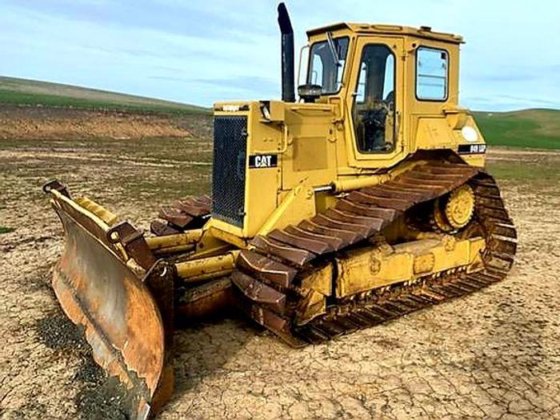
Emerging from Caterpillar’s long lineage of robust small bulldozers, the D4H model represents the culmination of decades of engineering evolution. The D4 series itself began in the late 1930s, originally designated as the RD4 after the diesel RD4 succeeded the earlier gas-powered CAT 30. Over time the "4" became a legacy designation rather than an indicator of power. The D4H variant, produced between 1985 and 1996, marked a modern chapter in Caterpillar's compact tractor line.
Technical Specifications
The technical profile of the D4H reflects its role as a mid-range crawler dozer: - Engine: 4-cylinder turbocharged CAT 3204 diesel, displacing ~317 cu in (5.2 L), gross power around 99 hp and net output between 90–95 hp at 2200 rpm
- Operating Weight: approximately 22,600 lb for the Series II version, while the LGP (Low Ground Pressure) variant pushes closer to 24,800 lb
- Dimensions:
- Series II: Length w/blade ~14 ft, width ~7 ft, height ~10 ft
- LGP: Length w/blade ~15.8 ft, width ~9.06 ft, height ~9.8 ft
- Transmission: 3-speed planetary powershift, both forward and reverse, allowing up to ~6.4 mph forward and ~7.6 mph reverse
- Hydraulics: Load-sensing variable-displacement piston pump, approximately 25 gpm flow, with relief pressure around 2,700 psi
- Blade: Typical blade capacity around 2.5–2.7 cubic yards (Series II), LGP versions sometimes exceeding that depending on configuration
Development History and Caterpillar Context
Caterpillar Inc. traces its roots to the early 20th century, evolving through mergers of Holt and C. L. Best. Its machinery served both agriculture and battlefields, with tracked tractors like Holt’s influencing early tank designs . The D4 series was part of Caterpillar’s strategic expansion into compact dozer markets, balancing power with maneuverability.
The D4H era reflects Caterpillar's global growth and diversification, as during the late 20th century it set up manufacturing facilities in countries like Brazil, India, and China to meet rising demand for construction machinery .
Sales & Value Trends
Used D4H models exhibit varied pricing. Late-’80s units often fetch between $25K–$29K, while earlier versions could be found closer to $19K–$25K . In recent listing cases, well-maintained machines have sold for as low as $13K (with just ~1,000 hours) up to $37K for higher-hour units with enclosed cabins .
Operator Insights & Anecdotes
Operators often recount anecdotes from logging roads and farm fields, recalling how the LGP model glided over soft ground where standard versions risked ground disturbance. One veteran shared: “I had one D4H LGP slip through mud like butter—didn’t think traction that smooth could come from a dozer this size.” Stories like these highlight the adaptability of track width and ground pressure choices.
In news of innovation, some construction firms recently retrofitted D4H units with modern GPS-controlled blade guidance, turning the venerable model into precision soil movers—which speaks to the D4H’s continuing relevance in precision agriculture and small-scale earthwork sectors.
Terminology & Explanation- Gross vs. Net Power: Gross power refers to engine output before auxiliary loads (radiators, pumps), net power is what’s available for traction after subtracting those loads.
- LGP (Low Ground Pressure): Wider tracks spread weight over a larger area, reducing soil compaction and enhancing flotation on soft terrain.
- Powershift Transmission: Uses planetary gears with hydraulic control to shift gears under load without manual clutching.
- Load-sensing pump: Delivers hydraulic flow percentage based on demand—efficient, responsive, and reduces heat buildup.
Recommendations & Solutions- Choosing Configuration: Opt for the LGP version in marshy or sandy environments to minimize ground disturbance; the standard track suits firm terrain and better transport compatibility.
- Maintenance Tips: Maintain hydraulic fluid at proper levels (~18 gal capacity) and monitor oil and coolant (engine oil ~4 gal, coolant ~7 gal) to prevent overheating and component wear .
- Upgrades: Consider retrofitting modern lighting, enclosed canopies, or GPS systems to extend field service life and versatility.
- Transport Planning: Based on dimensions, an RGN (removable gooseneck) trailer is advised for transport—supporting up to 150,000 lb—ensuring safe and lawful hauling .
Summary
The Caterpillar D4H stands as a durable, highly adaptable mid-size crawler dozer, produced between 1985–1996. With a turbocharged 4-cylinder engine delivering ~99 hp, planetary powershift transmission, and efficient hydraulics, it tackles varied terrain and tasks. Variants like the LGP emphasize soft-ground performance, while Series II suits standard earthmoving.
Grounded in Caterpillar’s pioneering history, the D4H remains valued today—manifested by its enduring presence in resale markets and real-world retrofit projects. For operators seeking compact power, low maintenance costs, and versatility, the D4H delivers a proven track record—with more stories and upgrades still ahead.
|
|
|
|
| Rebuilding a Leaking Lift Cylinder on the Gehl 553 Telehandler |
|
Posted by: MikePhua - 08-26-2025, 08:48 PM - Forum: Troubleshooting & Diagnosing
- No Replies
|
|
The Gehl 553 and Its Place in Compact Material Handling
The Gehl 553 telehandler is a compact, three-cylinder lift machine designed for tight job sites and light-duty material handling. Manufactured by Gehl Company, which was founded in 1859 in Wisconsin and became known for its agricultural and construction equipment, the 553 was part of a broader push into the telehandler market during the late 1990s and early 2000s. With a lift capacity of around 5,500 pounds and a reach of approximately 18 feet, the 553 was popular among contractors, landscapers, and rural operators. Though no longer in production, thousands remain in service, often requiring hydraulic rebuilds due to age and exposure.
Symptoms of Cylinder Seal Failure
One of the most common issues in aging telehandlers is hydraulic cylinder leakage. In the case of the Gehl 553, the right-side lift cylinder began leaking at the gland seal. The leak persisted even after shutdown, dripping at a rate of roughly one drop per second. This suggests internal pressure retention or seal degradation, possibly due to contamination, age, or improper storage.
Key indicators of seal failure include: - Visible fluid seepage around the gland nut
- Residual pressure after engine shutdown
- Difficulty retracting or extending the cylinder smoothly
- Loss of lifting power or uneven boom movement
Terminology Clarification- Gland Nut: The threaded cap at the end of a hydraulic cylinder that retains the rod and seals.
- Holding Valve: A hydraulic valve that prevents cylinder movement when the control is not engaged.
- Rod Seal: The internal seal that prevents fluid from leaking around the cylinder rod.
- Come-Along: A hand-operated winch used to pull or tension components during disassembly.
Disassembly Challenges and Safety Precautions
Disassembling the lift cylinder on the Gehl 553 proved to be a formidable task. The holding valve had to be loosened first to relieve internal pressure. A bolt with an Allen screw and locknut was removed, revealing damaged O-rings—likely the source of the leak. Even after pressure release, the gland nut resisted removal, requiring a custom-built chain wrench made from square tubing and double 520 chain links.
To remove the rod, the operator used a combination of heat, penetrating fluids, and mechanical force. After a week of effort—including dead-man pulleys, winches, and sledge hammers—the rod finally came free when the cylinder was chained between a tractor and a truck, with coordinated pulling and hammering.
Safety tips for similar jobs:- Always depressurize the cylinder before disassembly
- Use a drain pan to catch residual fluid
- Block the boom securely with steel channel or cribbing
- Avoid standing in line with pressurized components
- Wear eye protection and gloves when using air hammers or torches
Rebuilding and Replacement Considerations
Once disassembled, the cylinder barrel showed signs of rust and pitting—likely caused by years of outdoor exposure. The machine had been left on job sites through winters and summers for over 15 years. Condensation and rainwater intrusion through worn rod seals likely accelerated corrosion.
The local machine shop quoted $685 to fabricate a new barrel using the original mounts and components. This price was considered reasonable, especially given the labor and tooling required. However, the shop would not guarantee the rebuild unless their own seals were used, despite the operator having already purchased OEM seals.
Recommendations for rebuilds:- Inspect barrel interior with a flashlight and mirror for pitting
- Replace all seals, including backup rings and wipers
- Use high-quality hydraulic fluid and change filters post-rebuild
- Consider replacing both lift cylinders to maintain balance
- Store equipment indoors or under cover when not in use
Moisture Contamination and Fluid Health
Hydraulic fluid contamination is a silent killer of seals and pumps. In this case, the fluid appeared clean, but the operator planned to change it anyway. Moisture can enter through:- Condensation inside the tank
- Worn or cracked filler caps
- Rod seal leakage during rain or snow
- Improper storage angle allowing water to pool
To check for moisture:- Look for cloudiness or milkiness in the fluid
- Use a moisture test strip or refractometer
- Drain a sample from the bottom of the tank, where water settles
Preventive measures include:- Installing breather filters on the reservoir
- Using desiccant caps in humid environments
- Keeping rod seals clean and lubricated
- Tilting cylinders downward during long-term storage
Adjusting the Holding Valve After Rebuild
After reassembly, the holding valve must be reset to ensure proper boom control. Since factory specs may not be available, one method is to measure the valve depth on the opposite cylinder and match it. This ensures balanced operation and prevents drift or uneven lifting.
Important notes:- Do not overtighten the Allen screw—it controls internal flow
- Use thread sealant rated for hydraulic systems
- Cycle the boom slowly and check for leaks before full operation
Conclusion
Rebuilding a leaking lift cylinder on a Gehl 553 telehandler is a demanding but rewarding task. From custom tools to rusted barrels, the process tests both mechanical skill and patience. With proper diagnosis, careful disassembly, and attention to fluid health, operators can restore performance and extend the life of their equipment. In the world of hydraulic repair, persistence and preparation often matter more than brute force—and sometimes, it takes a tractor, a truck, and a sledgehammer to get the job done.
|
|
|
|
| Understanding Detroit Diesel Series 60 RPM Ranges and Performance |
|
Posted by: MikePhua - 08-26-2025, 08:48 PM - Forum: General Discussion
- No Replies
|
|
The Detroit Diesel Series 60 engine, introduced in 1987, revolutionized the heavy-duty diesel engine market with its advanced electronic control systems and impressive performance metrics. Understanding its RPM ranges and performance characteristics is crucial for operators and fleet managers to optimize engine efficiency and longevity.
Engine RPM Ranges
The Series 60 engine operates efficiently within specific RPM ranges, which vary depending on the engine's configuration and application. Typically, the engine's power output is rated at 1,800 RPM, with maximum torque often occurring around 1,200 RPM. However, the engine is designed to operate across a broader RPM spectrum, from idle speeds up to approximately 2,100 RPM, depending on the specific model and application.
Performance Characteristics
At its rated RPM, the Series 60 engine delivers substantial horsepower and torque, making it suitable for various heavy-duty applications. For instance, the 14.0L version of the engine offers power outputs ranging from 425 to 515 horsepower at 1,800 RPM, with torque figures between 1,550 and 1,650 lb-ft at 1,200 RPM. These performance metrics ensure that the engine can handle demanding loads and provide reliable power for long-haul trucking and other heavy-duty tasks.
Fuel Efficiency and Emissions
One of the standout features of the Series 60 engine is its fuel efficiency. The engine's design incorporates advanced fuel injection systems and electronic controls that optimize combustion processes, leading to better fuel economy. Additionally, the Series 60 engine was among the first to meet stringent emissions standards, thanks to its electronic control systems that precisely manage fuel delivery and exhaust gas recirculation.
Maintenance and Longevity
Regular maintenance is essential to keep the Series 60 engine operating at peak performance. Operators should adhere to recommended service intervals for oil changes, fuel filters, and air filters. Monitoring the engine's performance through onboard diagnostics can also help identify potential issues before they lead to significant problems.
Conclusion
The Detroit Diesel Series 60 engine's RPM ranges and performance characteristics make it a reliable choice for heavy-duty applications. Its combination of power, fuel efficiency, and emissions compliance has solidified its reputation in the industry. By understanding and maintaining the engine's operating parameters, operators can ensure optimal performance and longevity.
|
|
|
|
| Why a Caterpillar D6H XL Won’t Start Until the Axles Are Pulled |
|
Posted by: MikePhua - 08-26-2025, 08:01 PM - Forum: Troubleshooting & Diagnosing
- No Replies
|
|
The D6H XL and Its Mechanical Legacy
The Caterpillar D6H XL is a mid-sized track-type tractor introduced in the late 1980s, designed for grading, clearing, and heavy earthmoving. The XL designation refers to its extended track frame, which improves stability and flotation. Powered by a Cat 3306 turbocharged diesel engine, the D6H XL delivers around 165 horsepower and features a manual transmission with differential steering—a system that allows the machine to pivot by varying track speeds.
Caterpillar, founded in 1925, has long dominated the dozer market with its rugged designs and global support network. The D6H series was a commercial success, with thousands sold across North America, Australia, and Southeast Asia. Its mechanical simplicity and robust final drives made it a favorite among contractors and landowners alike.
Unusual Starting Behavior and Field Observations
A rare issue has emerged in some D6H XL units: the engine refuses to start unless one or both final drive axles are pulled out. This behavior defies conventional logic, as the starting system should be independent of axle engagement. However, field reports suggest that internal transmission or brake components may be placing unexpected load on the engine during cranking.
In one case, a dozer was hauled to a job site for tree clearing. After a day of operation, it lost power and failed to start the next morning. When the right-side axle was removed, the engine started immediately. Reinstalling the axle caused the engine to stall again. Further inspection revealed oil flooding from the left final drive housing, and a broken washer was found in the transmission screen.
Terminology Clarification - Final Drive: The last stage in the drivetrain that transmits torque from the transmission to the tracks.
- Sun Gear: A central gear in a planetary gear set, often used in final drives.
- Park Brake: A mechanical or hydraulic brake that locks the tracks when the machine is stationary.
- Differential Steering: A system that allows turning by varying the speed of each track independently.
Root Cause Analysis and Mechanical Interference
The most plausible explanation involves a broken washer from the sun gear assembly. When intact, this washer helps maintain gear alignment and spacing. If it fractures and falls into the housing, it can wedge between rotating components, creating drag or locking the drivetrain. In the D6H XL, the right side controls the park brake, while the left side manages differential steering. If either side is mechanically jammed, it can load the hydraulic pump or transmission during startup.
This load mimics a hydraulic lock, preventing the engine from turning freely. Removing the axle relieves the pressure, allowing the engine to crank. Once the washer fragments are cleared and the final drive is rebuilt, normal starting resumes.
Field Anecdotes and Practical Lessons
A technician in Iowa discovered a large washer lying in the transmission screen after pulling the final drive. It had broken off from the sun gear and caused iron contamination throughout the system. Another operator in Pennsylvania found similar debris during a routine bearing replacement, even though the machine showed no symptoms at the time.
These stories highlight the importance of preventive maintenance. When washers or gear fragments circulate through the hydraulic system, they can damage pumps, clog screens, and trigger cascading failures. Flushing the system and replacing oil more frequently after such events is essential.
Preventive Measures and Recommendations
To avoid similar issues:- Inspect final drives during scheduled maintenance, especially when replacing seals or bearings.
- Use borescopes to check gear alignment and washer integrity without full disassembly.
- Flush hydraulic systems thoroughly after discovering metal fragments.
- Replace transmission oil and filters at shorter intervals following contamination.
- Consider upgrading to reinforced sun gear cages if available for your model.
If the machine uses a manual transmission, as in the D6H XL, electronic shift modules are not present. However, in newer models like the D6R, iron contamination can affect solenoids and clutch packs, leading to expensive repairs.
Industry Trends and Component Reliability
Caterpillar has since improved its final drive assemblies in newer models, using hardened steel cages and better washer retention methods. In 2023, a service bulletin was issued for certain D6 variants recommending inspection of sun gear washers during overhaul. While not a recall, it reflects growing awareness of this failure mode.
Independent rebuilders have also begun offering aftermarket washer kits with improved metallurgy and weld reinforcement. These upgrades are especially popular among contractors who rely on older machines for daily work.
Conclusion
A Caterpillar D6H XL that won’t start unless the axles are pulled likely suffers from internal mechanical interference caused by broken sun gear washers. While rare, this issue can mimic electrical or fuel system faults and mislead technicians. By understanding the interplay between final drives, steering systems, and engine load, operators can diagnose the problem accurately and prevent further damage. In heavy equipment, even a single washer can stop a 20-ton machine cold—and knowing where to look makes all the difference.
|
|
|
|
| Troubleshooting Slow Hydraulics in Hitachi EX120-2 Excavators |
|
Posted by: MikePhua - 08-26-2025, 08:01 PM - Forum: Troubleshooting & Diagnosing
- No Replies
|
|
Hitachi's EX120-2 excavator is a powerful and reliable machine commonly used in construction, demolition, and heavy lifting tasks. However, like all heavy equipment, it can encounter problems over time. One of the most common issues that operators face is slow hydraulics. Hydraulic systems are essential for the proper functioning of excavators, controlling everything from the boom and arm to the bucket and swing functions. A malfunctioning hydraulic system can severely affect the performance of the entire machine.
This article explores the potential causes of slow hydraulic issues in the Hitachi EX120-2, along with diagnostic steps and solutions to get the machine back to optimal performance.
Common Causes of Slow Hydraulics in the Hitachi EX120-2
There are multiple reasons why the hydraulics on the Hitachi EX120-2 may slow down or fail to function at their usual capacity. Identifying the root cause can save time and money by preventing unnecessary repairs and replacements.
- Low Hydraulic Fluid Levels
Hydraulic systems rely on fluid to transmit pressure and power to various components. If the fluid levels are low, the system will struggle to generate the necessary pressure, resulting in slow or weak hydraulic operation.
Solution:- Check the hydraulic fluid levels using the dipstick or sight gauge on the excavator.
- If the fluid is below the recommended level, top it up with the correct type of fluid. Always ensure that the fluid meets the manufacturer’s specifications.
- Regularly monitor fluid levels to prevent future low-fluid issues.
- Contaminated Hydraulic Fluid
Over time, hydraulic fluid can become contaminated with dirt, debris, or moisture, all of which can significantly affect the efficiency of the hydraulic system. Contaminants can cause blockages, excessive wear, and corrosion of components, leading to slow operation or complete system failure.
Solution:- Inspect the hydraulic fluid for any signs of contamination, such as a dark or milky appearance.
- If contamination is detected, perform a hydraulic fluid flush to remove impurities and replace the old fluid with fresh, clean fluid.
- Replace or clean hydraulic filters to ensure optimal filtration and prevent future contamination.
- Clogged Hydraulic Filters
Hydraulic filters are designed to remove contaminants from the fluid, but over time, they can become clogged with debris. This blockage restricts the flow of hydraulic fluid, leading to slow operation or even system failure.
Solution:- Inspect and replace hydraulic filters at regular intervals as recommended by the manufacturer.
- Clean or replace filters immediately if slow hydraulics are suspected to be caused by clogged filters.
- Ensure that only high-quality filters that match the equipment’s specifications are used.
- Worn or Leaking Hydraulic Hoses and Connections
Leaking or damaged hydraulic hoses and connections can lead to a loss of pressure in the system, resulting in sluggish hydraulic movement or total loss of function.
Solution:- Inspect all hydraulic hoses and connections for visible signs of wear, cracks, or leaks.
- Repair or replace any hoses that are leaking or damaged.
- Ensure that all hydraulic fittings are properly tightened to prevent any loss of fluid or pressure.
- Faulty Hydraulic Pump
The hydraulic pump is responsible for pressurizing the fluid and sending it to various hydraulic components. A malfunctioning or worn-out pump can significantly reduce the performance of the hydraulic system, causing slow operation.
Solution:- Test the hydraulic pump to ensure it is delivering the correct pressure.
- If the pump is faulty, it may need to be repaired or replaced.
- Regularly maintain the pump to avoid early failure and costly repairs.
- Faulty Pressure Relief Valve
The pressure relief valve in the hydraulic system controls the maximum pressure the system can produce. If this valve is malfunctioning or set incorrectly, it may prevent the system from reaching full pressure, causing the hydraulics to function slowly.
Solution:- Check the pressure relief valve for correct settings and operation.
- If the valve is malfunctioning, it may need to be cleaned, repaired, or replaced.
- Consult the user manual for the appropriate pressure settings for your specific model.
- Damaged Hydraulic Cylinders
The hydraulic cylinders are responsible for converting hydraulic pressure into mechanical force, moving the boom, arm, and bucket. If these cylinders are damaged or the seals are worn, the machine may exhibit slow hydraulic response.
Solution:- Inspect the hydraulic cylinders for any signs of wear, cracks, or leaks.
- Replace any damaged cylinders or seals.
- Ensure that cylinders are properly maintained and lubricated to prevent premature failure.
Diagnostic Steps to Identify the Root Cause
To effectively diagnose slow hydraulic issues in your Hitachi EX120-2, it’s essential to follow a systematic approach:
- Start with Basic Checks: Begin by verifying the hydraulic fluid levels, checking for contamination, and inspecting the filters. These are the most common and easiest problems to identify.
- Perform a Pressure Test: Use a hydraulic pressure gauge to measure the pressure in various parts of the system. This can help pinpoint whether the issue lies with the pump, relief valve, or other components.
- Inspect for Leaks: Examine all hydraulic lines, hoses, and cylinders for any signs of leaks or damage. Even small leaks can lead to significant hydraulic issues.
- Consult the Diagnostic Codes: If the machine is equipped with a diagnostic system, check for any error codes related to the hydraulic system. These codes can help identify specific components that are malfunctioning.
Preventive Maintenance for the Hitachi EX120-2
To avoid slow hydraulic issues in the future, consider these preventive maintenance practices:- Regularly check fluid levels and change hydraulic fluid at the recommended intervals.
- Clean or replace filters regularly to maintain proper fluid flow and filtration.
- Inspect hydraulic hoses and connections for wear and tear, and replace them when necessary.
- Test the hydraulic system’s performance periodically to ensure that all components are working as expected.
Conclusion
Slow hydraulics in the Hitachi EX120-2 can be caused by a variety of issues, ranging from low fluid levels to damaged hydraulic pumps. Identifying the root cause through systematic diagnostic steps and addressing the problem promptly can restore the excavator’s hydraulic system to full functionality. Regular maintenance, such as fluid checks, filter replacements, and hose inspections, will help prevent future hydraulic issues and extend the life of your machine.
By staying proactive and following best maintenance practices, you can keep your Hitachi EX120-2 performing optimally, reducing downtime and ensuring that your equipment works efficiently when needed.
|
|
|
|
| Neutral Safety Switch Failures in Wheel Loaders |
|
Posted by: MikePhua - 08-26-2025, 08:00 PM - Forum: Troubleshooting & Diagnosing
- No Replies
|
|
The Role of the Neutral Safety Switch
The neutral safety switch is a critical safety component in many types of heavy equipment, including wheel loaders, backhoes, and skid steers. Its primary function is to prevent the engine from starting unless the transmission is in a neutral position. This helps avoid unintended movement during startup, which could result in injury or equipment damage.
In older loaders like the Freightliner FL90, which was widely used in municipal and rural applications throughout the 1990s and early 2000s, the neutral safety switch is often mounted on or near the transmission control valve. These machines were built for durability, but their electrical systems—especially safety interlocks—can degrade over time due to vibration, corrosion, and repeated use.
Symptoms of a Faulty Neutral Safety Switch
When the neutral safety switch begins to fail, the most common symptom is a complete lack of response when turning the ignition key. There may be: - No starter click
- No engine turnover
- No dashboard warning lights related to the starter circuit
This can be misleading, especially if the batteries are fully charged and the starter motor appears clean and functional. In such cases, the switch itself may be interrupting the signal between the ignition and the starter solenoid.
Terminology Clarification- Starter Solenoid: An electromechanical device that engages the starter motor when energized.
- Transmission Control Valve: A hydraulic or mechanical assembly that manages gear selection and may house the neutral switch.
- Bypass Jumper: A temporary electrical connection used to override a faulty switch.
Field Diagnosis and Temporary Solutions
One practical method to confirm a faulty neutral safety switch is to locate the switch and temporarily bypass it. This is typically done by joining the two wires that connect to the switch, simulating a “neutral” condition. If the engine starts after bypassing, the switch is likely the culprit.
However, bypassing should only be used for diagnostic purposes or short-term operation in controlled environments. Permanent bypassing defeats a critical safety feature and may violate workplace safety regulations.
In one case, a rural operator in Victoria, Australia found his FL90 loader unresponsive after a short break. After confirming battery health and inspecting the starter wiring, he traced the issue to the neutral safety switch. A temporary jumper allowed him to continue using the loader for property work while waiting for a replacement part to arrive from overseas.
Additional Electrical Checks
If bypassing the switch doesn’t restore function, the issue may lie elsewhere in the starting circuit. Recommended checks include:- Verifying voltage at the starter solenoid during key-on
- Inspecting ground connections between the battery, frame, and starter
- Checking for a failed relay in the starter circuit
- Reviewing the wiring diagram for any modifications or outdated components
Older machines often have undocumented electrical changes made by previous owners or mechanics. These can include aftermarket relays, rewired ignition paths, or removed safety features. A thorough inspection is essential before assuming the switch is the only fault.
Preventive Maintenance and Replacement Tips
To avoid future failures:- Inspect safety switches annually for corrosion or loose terminals
- Use dielectric grease on connectors to prevent moisture ingress
- Replace switches with OEM-grade components to ensure compatibility
- Avoid excessive force when shifting into neutral, which can damage the switch housing
When replacing the switch, ensure the transmission is in true neutral and the mounting surface is clean. Misalignment can cause false readings and intermittent failures.
Industry Trends and Safety Integration
Modern loaders now integrate neutral safety functions into electronic control modules (ECMs), eliminating standalone switches. These systems use position sensors and software logic to manage startup conditions. While more reliable, they also require diagnostic tools for troubleshooting.
In 2022, a safety audit in Alberta revealed that 12% of older loaders in municipal fleets had disabled or bypassed neutral safety switches. The audit led to a province-wide directive requiring inspection and restoration of all safety interlocks before deployment.
Conclusion
Neutral safety switch failures are common in aging wheel loaders, but they are relatively easy to diagnose and repair. By understanding the switch’s function, tracing the starting circuit, and applying temporary bypasses responsibly, operators can keep machines running safely until permanent repairs are made. In heavy equipment, even the smallest switch plays a vital role in protecting both the operator and the job site.
|
|
|
|
| Troubleshooting the CAT 226 Skid Steer: Addressing Startup Issues |
|
Posted by: MikePhua - 08-26-2025, 08:00 PM - Forum: Troubleshooting & Diagnosing
- No Replies
|
|
The CAT 226 skid steer loader is a popular choice in the construction and agriculture industries due to its versatility and compact size. It's often used for tasks like material handling, digging, and even lifting heavy loads. However, as with any machine, owners and operators can face issues, particularly when the equipment refuses to start. This article provides a comprehensive guide on diagnosing and fixing common problems when a CAT 226 won't run.
Common Issues with the CAT 226 Skid Steer
When a CAT 226 won't start, the root cause could be one of several factors, ranging from minor electrical issues to more complex mechanical failures. Here’s a breakdown of some common problems and their potential causes:
- Battery Problems
One of the most common reasons a skid steer like the CAT 226 won’t start is a dead or faulty battery. Skid steers require a strong electrical current to power the starter motor and other key components. Over time, batteries can lose their charge or deteriorate, especially in machines that are not used frequently.
Solution:- Check the battery voltage with a multimeter. The standard voltage for a fully charged 12-volt battery is about 12.6 volts.
- Inspect battery terminals for corrosion or loose connections. Clean the terminals and tighten them if necessary.
- If the battery is old or showing signs of wear, replace it with a new one.
- Starter Motor Issues
The starter motor is responsible for turning the engine over, and if it fails, the engine will not start. Common symptoms of a failing starter motor include strange noises when turning the key or no response at all.
Solution:- Inspect the starter motor and connections for signs of wear or damage.
- Ensure that the starter relay and solenoid are functioning correctly. These components can sometimes fail and prevent the motor from engaging.
- If the starter motor is malfunctioning, it may need to be replaced.
- Fuel System Problems
A fuel delivery problem can also prevent the CAT 226 from starting. If the engine is not receiving the right amount of fuel, it won't run properly. This issue could be due to a clogged fuel filter, a bad fuel pump, or air trapped in the fuel lines.
Solution:- Check the fuel filter for any blockages. If it’s dirty or clogged, replace it.
- Inspect the fuel pump for proper operation. A malfunctioning pump might not be delivering the fuel to the engine.
- Bleed the fuel system to remove any air pockets that might be preventing fuel flow.
- Ignition System Failure
The ignition system is essential for starting the engine. If the ignition switch, wiring, or components like spark plugs are faulty, the engine may not start.
Solution:- Test the ignition switch for proper function. If it’s not working, replace it.
- Inspect spark plugs for wear or fouling. If the plugs appear dirty or corroded, clean or replace them.
- Check the ignition coil and wiring for any visible damage.
- Fuses and Relays
A blown fuse or malfunctioning relay can prevent power from reaching critical components. The CAT 226 has several fuses and relays that control the operation of the starter motor, ignition system, and other systems.
Solution:- Inspect the fuse panel for any blown fuses. Replace any that appear damaged or blown.
- Check the relays, particularly the starter relay. If the relay is not engaging correctly, replace it.
- Safety Interlock System
Many modern skid steers, including the CAT 226, are equipped with safety interlocks that prevent the machine from starting if certain conditions are not met. These interlocks might include seat sensors, hydraulic lockouts, or operator presence sensors.
Solution:- Verify that all safety interlock systems are in place and functioning properly.
- Check the seat sensor and operator presence switch. If these components are faulty or malfunctioning, the machine may fail to start.
- Hydraulic System Issues
The hydraulic system of the CAT 226 is crucial for the operation of attachments and lifting functions. If there’s an issue with the hydraulic pressure or fluid levels, it could affect engine start-up or lead to starting problems.
Solution:- Inspect the hydraulic fluid levels. Low fluid levels can prevent the machine from operating correctly.
- Check for leaks in the hydraulic lines, as this could cause a drop in pressure and affect the performance of the engine and attachments.
- If necessary, top up the hydraulic fluid with the recommended type.
Preventive Maintenance Tips for the CAT 226
To prevent startup issues and maintain the overall health of your CAT 226 skid steer, regular preventive maintenance is essential:- Check the battery regularly, especially during cold weather months, as cold temperatures can drain batteries faster.
- Clean the air filter and replace it when necessary. A clogged air filter can reduce engine efficiency and cause starting issues.
- Lubricate moving parts such as the tracks, joints, and hydraulic connections to avoid wear and tear that could lead to mechanical failure.
- Inspect the fuel system periodically to ensure proper flow and to avoid the build-up of contaminants that could clog the fuel lines.
- Test the ignition system and starter motor periodically to catch any early signs of failure before they become significant problems.
Conclusion
The CAT 226 skid steer is a powerful and reliable piece of equipment, but like any complex machine, it can experience startup issues. By systematically checking the battery, starter motor, fuel system, ignition system, and other critical components, you can often diagnose and resolve the problem quickly. Regular preventive maintenance, such as cleaning the air filter, checking fluid levels, and inspecting the ignition system, can also help keep your CAT 226 running smoothly for years.
If after performing these checks the machine still won’t start, it may be necessary to consult with a CAT-certified technician for more in-depth diagnostics. With the right approach, your skid steer will be back up and running efficiently in no time.
|
|
|
|
| Crane Setup and LMI Systems in Rental Operations |
|
Posted by: MikePhua - 08-26-2025, 07:59 PM - Forum: Rental , Leasing & Investment
- No Replies
|
|
The Evolution of Mobile Crane Technology
Mobile cranes have undergone significant transformation since the 1970s, evolving from purely mechanical systems to highly integrated electronic platforms. Manufacturers like Liebherr, Link-Belt, Grove, and Terex have each developed proprietary control systems to enhance safety, precision, and operator feedback. By the early 2000s, Load Moment Indicators (LMIs) became standard across most crane models, especially in rental fleets where operator familiarity varies.
Liebherr, founded in 1949 in Germany, pioneered many of the early electronic crane controls. Link-Belt, with roots in Kentucky dating back to the 1870s, focused on hydraulic refinement and modular boom design. Grove, acquired by Manitowoc in 2002, introduced intuitive touchscreen LMIs, while Terex emphasized cross-platform compatibility and simplified diagnostics. These design philosophies influence how each crane behaves during setup and lifting operations.
Understanding LMI Systems and Their Role
An LMI (Load Moment Indicator) is an onboard safety system that monitors the crane’s lifting parameters and warns the operator when approaching or exceeding safe limits. It calculates the moment—the product of load weight and boom radius—and compares it to the crane’s rated capacity.
Key functions include: - Monitoring boom angle, extension, and load weight
- Displaying real-time capacity charts
- Locking out functions when overload is imminent
- Logging operational data for review
Terminology clarification:- Load Moment: The torque exerted by the lifted load, calculated as weight × radius.
- Radius: The horizontal distance from the crane’s center of rotation to the load.
- Boom Angle Sensor: Measures the angle of the boom relative to horizontal.
- Anti-Two Block System: Prevents the hook block from contacting the boom tip, which can cause cable damage or failure.
Challenges in Multi-Brand Crane Setup
Operators working in rental environments often switch between brands with little notice. While Liebherr and Link-Belt may be familiar, Grove and Terex systems can present a steep learning curve. Each manufacturer uses different menu structures, terminology, and calibration procedures.
For example:- Liebherr’s LICCON system uses rotary knobs and nested menus.
- Link-Belt’s Pulse system integrates diagnostics and setup into a single interface.
- Grove’s CCS (Crane Control System) relies on touchscreen navigation with context-sensitive prompts.
- Terex often uses external laptops or handheld devices for advanced setup.
A technician in San Francisco recalled being dispatched at 5 a.m. to operate a Terex crane he had never used. With limited documentation and no prior exposure to its LMI system, he relied on peer advice and intuition to complete the job safely. This underscores the importance of cross-training and access to digital manuals.
Best Practices for Crane Setup Across Brands
To ensure safe and efficient setup:- Always verify ground conditions and outrigger deployment before powering up the LMI.
- Calibrate boom angle and length sensors during setup, especially if components were recently serviced.
- Confirm counterweight installation matches the selected configuration in the LMI.
- Review the load chart for the specific boom and jib setup—many systems allow toggling between configurations.
- Test the anti-two block system and override functions before lifting.
If unfamiliar with a crane model, request a quick-start guide or digital manual from the rental company. Some manufacturers offer mobile apps with setup walkthroughs and troubleshooting tips.
Field Anecdotes and Operator Wisdom
A veteran operator in Alberta shared a story of setting up a Grove RT crane in freezing conditions. The touchscreen LMI was sluggish, and the boom angle sensor failed to calibrate. After warming the sensor housing with a heat gun and rebooting the system, the crane operated normally. This highlights the impact of environmental conditions on electronic systems.
In another case, a Link-Belt crane was dispatched to a wind farm in Kansas. The operator noticed the LMI showed reduced capacity despite correct setup. Investigation revealed the boom extension sensor was misaligned after transport. Recalibration restored full lifting capability.
Training and Industry Trends
As crane technology advances, training must evolve. In 2023, the National Commission for the Certification of Crane Operators (NCCCO) added LMI diagnostics and multi-brand interface navigation to its certification modules. Rental companies now offer simulator-based training to prepare operators for real-world variability.
Manufacturers are also moving toward unified interfaces. Liebherr’s LICCON3 and Grove’s CCS 2.0 aim to standardize controls across models, reducing onboarding time and error rates.
Conclusion
Crane setup and LMI operation are critical skills in today’s rental-driven lifting industry. With multiple brands in circulation and rapid deployment schedules, operators must be adaptable, informed, and proactive. Understanding the nuances of each system—from boom calibration to load chart selection—can mean the difference between a smooth lift and a costly delay. In the world of mobile cranes, preparation isn’t just a virtue—it’s a necessity.
|
|
|
|
| CAT M315D Wheeled Excavator |
|
Posted by: MikePhua - 08-26-2025, 07:59 PM - Forum: General Discussion
- No Replies
|
|
The CAT M315D Wheeled Excavator is a versatile and highly regarded piece of construction equipment, well-suited for a variety of tasks in urban environments. Known for its ability to combine the stability and lifting capacity of tracked excavators with the mobility and speed of wheeled machines, the M315D has become a popular choice for contractors who need flexibility on diverse job sites. This article provides a detailed look into the M315D’s capabilities, advantages, and potential issues, offering insights for potential buyers and operators.
CAT M315D: A Versatile and Mobile Machine
Wheeled excavators like the CAT M315D are known for their exceptional mobility. Unlike traditional tracked excavators, which are typically confined to construction sites with uneven or rough terrain, wheeled excavators offer the advantage of easily traveling between jobs, especially in urban environments with paved roads.
The M315D is powered by a CAT C4.4 ACERT engine, delivering a robust performance of around 109 horsepower. This engine is coupled with advanced hydraulic systems that ensure efficient digging, lifting, and material handling operations.
Key Features of the CAT M315D
- Engine and Performance
The M315D’s CAT C4.4 ACERT engine not only meets stringent emission standards but also provides an excellent balance of power and fuel efficiency. This engine is designed for long-term durability, making the M315D suitable for extended work hours on tough projects. The engine is also paired with a Hydrostatic Drive System, which allows the operator to achieve variable speed without sacrificing control.
Key Points:- Engine Type: CAT C4.4 ACERT
- Rated Power: 109 horsepower
- Emission Standards: Meets Tier 3 standards
- Hydraulic System
The hydraulic system of the M315D is capable of achieving high flow rates, ensuring faster response times for attachments and improving productivity. The system features hydraulic auxiliaries that can power various attachments such as hydraulic hammers, buckets, and clamshells.
Key Points:- Hydraulic Flow Rate: 163 L/min (43 gallons/min)
- Auxiliary Hydraulics: Supports multiple attachments for versatility.
- Stability and Lift Capacity
One of the standout features of the M315D is its ability to combine mobility with stability. Its wheelbase and axle configuration make it stable during lifting tasks, especially when operating with large buckets or during heavy lifting operations.
The machine's maximum lifting capacity is around 5,700 kg (12,566 lbs), which makes it suitable for tasks like handling large pipes or lifting precast concrete blocks.
Key Points:- Lifting Capacity: 5,700 kg (12,566 lbs)
- Max Reach: 9.6 meters (31.5 feet)
- Cab Design and Comfort
Like other CAT machines, the M315D features an ergonomic operator cabin designed for comfort during long working hours. The air-conditioned cabin provides good visibility, with a 360-degree rotating seat, and the controls are designed to reduce operator fatigue. This makes the M315D ideal for urban construction projects where operators may spend several hours in the machine.
Key Points:- Ergonomic controls for reduced fatigue.
- 360-degree rotating seat for better mobility and vision.
Applications of the CAT M315D Wheeled Excavator
The CAT M315D is ideal for jobs in urban construction and infrastructure projects. Its ability to move swiftly between sites and its compact size make it perfect for working in tight spaces where traditional tracked excavators cannot operate. Some of its typical uses include:- Paving and roadwork: Due to its high mobility and lifting capacity, it is often used in paving projects and general road construction.
- Material handling: The excavator’s strong hydraulic system makes it ideal for lifting, placing, and transporting heavy materials like pipes and construction debris.
- Landscaping and site preparation: The M315D’s bucket and attachment versatility make it a valuable asset for preparing landscapes, digging trenches, and removing soil.
Maintenance and Troubleshooting
While the M315D is known for its durability, like any piece of machinery, it requires regular maintenance to ensure optimal performance. Operators should monitor several key components:
- Hydraulic System: Regular checks on hydraulic lines, filters, and fluid levels are essential for preventing system failures.
- Cooling System: The cooling fans and radiator should be kept clean, especially in dusty environments, to avoid engine overheating.
- Tires and Axles: Since it is a wheeled machine, the tires need to be checked for wear and proper inflation. Uneven wear can cause issues with mobility.
In terms of troubleshooting, common issues reported by M315D users include hydraulic pump failures, starting issues due to battery or alternator problems, and electrical faults. Ensuring regular diagnostics and addressing small issues promptly can extend the life of the machine.
Advantages of the CAT M315D
- Mobility and Efficiency: Its ability to drive on paved roads without the need for transportation trailers makes it highly efficient for contractors working in urban environments.
- Reduced Transport Costs: Since the M315D can be driven between job sites, there is no need for an additional truck to transport the machine, reducing overall transport costs.
- Versatility with Attachments: The ability to attach a wide variety of tools—ranging from hydraulic breakers to bucket attachments—adds to its adaptability on the job site.
Potential Drawbacks
- Cost: As with most high-performance machinery, the M315D comes with a higher price tag compared to traditional tracked excavators. The machine’s mobility, however, can offset the price by reducing transportation costs.
- Tire Wear: While the M315D's tires are durable, they can wear down faster than the tracks of a standard excavator when used in rough terrains.
Conclusion
The CAT M315D Wheeled Excavator is a highly efficient and versatile machine designed to meet the demands of urban construction and infrastructure projects. It excels in both mobility and lifting capacity, making it ideal for work in confined spaces where speed and maneuverability are critical. With regular maintenance, this machine can provide reliable performance over many years, making it a valuable asset for any construction fleet.
By understanding its features and applications, potential owners can make an informed decision about whether the M315D suits their project requirements. Whether it’s for handling materials, digging trenches, or road construction, the M315D proves itself to be a dependable partner in construction operations.
|
|
|
|
|



