| Welcome, Guest |
You have to register before you can post on our site.
|
| Forum Statistics |
» Members: 74
» Latest member: Tomo
» Forum threads: 47,413
» Forum posts: 47,419
Full Statistics
|
| Online Users |
There are currently 86 online users.
» 0 Member(s) | 74 Guest(s)
Ahrefs, Amazon, Applebot, Bing, Claude, Google, MJ12, OpenAI, Petalbot, Semrush, Seznam
|
| Latest Threads |
Identifying and Sourcing ...
Forum: Parts , Attachments & Tools
Last Post: MikePhua
01-07-2026, 06:29 PM
» Replies: 0
» Views: 457
|
Cat 931B Brake Parts
Forum: Parts , Attachments & Tools
Last Post: MikePhua
01-07-2026, 06:29 PM
» Replies: 0
» Views: 270
|
Choosing Between Cat 228,...
Forum: General Discussion
Last Post: MikePhua
01-07-2026, 06:28 PM
» Replies: 0
» Views: 476
|
Fix It or Part It Out
Forum: General Discussion
Last Post: MikePhua
01-07-2026, 06:27 PM
» Replies: 0
» Views: 336
|
Hydraulic Delay When Lowe...
Forum: Troubleshooting & Diagnosing
Last Post: MikePhua
01-07-2026, 06:27 PM
» Replies: 0
» Views: 418
|
Bale Chopper and Mulcher ...
Forum: General Discussion
Last Post: MikePhua
01-07-2026, 06:26 PM
» Replies: 0
» Views: 296
|
Mini UC Maintenance
Forum: General Discussion
Last Post: MikePhua
01-07-2026, 06:25 PM
» Replies: 0
» Views: 285
|
Locating Wiring Informati...
Forum: General Discussion
Last Post: MikePhua
01-07-2026, 06:24 PM
» Replies: 0
» Views: 320
|
Case Industrial Brown Sub...
Forum: Parts , Attachments & Tools
Last Post: MikePhua
01-07-2026, 06:23 PM
» Replies: 0
» Views: 261
|
Dirt Work in West Virgini...
Forum: Construction & Urban Infrastructure Forum
Last Post: MikePhua
01-07-2026, 06:23 PM
» Replies: 0
» Views: 353
|
|
|
| Bobcat 863 Electrical Troubleshooting Guide |
|
Posted by: MikePhua - 08-29-2025, 02:05 AM - Forum: Troubleshooting & Diagnosing
- No Replies
|
 |
The Bobcat 863, a compact skid-steer loader introduced in the late 1990s, has been a staple in construction and landscaping due to its versatility and durability. However, like all machinery, it is susceptible to electrical issues that can hinder performance. Understanding common electrical problems and their solutions is crucial for maintaining the 863's efficiency.
Common Electrical Issues in the Bobcat 863
- No Start Condition
- Symptoms: The engine turns over when the starter is jumped, but the machine fails to start.
- Potential Causes:
- Faulty fuel shutoff solenoid not receiving 12V from the control panel.
- Malfunctioning ignition switch or wiring issues.
- Blown fuses or relays.
- Diagnostic Steps:
- Verify the presence of 12V at the fuel shutoff solenoid.
- Inspect the ignition switch and associated wiring for continuity.
- Check all fuses and relays related to the starting circuit.
- Test the main 100A fuse for continuity.
- Electrical Components Not Receiving Power
- Symptoms: Certain electrical components, like the right-side control panel, fail to receive power.
- Potential Causes:
- Blown fuses or damaged relays.
- Corroded or loose wiring connections.
- Faulty ground connections.
- Diagnostic Steps:
- Inspect all relevant fuses and relays for integrity.
- Clean and secure all wiring connections.
- Ensure all ground points are clean and properly connected.
- Intermittent Power Loss
- Symptoms: Electrical systems function sporadically, with some components losing power unexpectedly.
- Potential Causes:
- Loose or corroded battery terminals.
- Faulty alternator not charging the battery properly.
- Worn or damaged wiring harnesses.
- Diagnostic Steps:
- Inspect battery terminals for tightness and cleanliness.
- Test the alternator output to ensure proper charging.
- Examine wiring harnesses for signs of wear or damage.
Preventative Maintenance Tips- Regularly Inspect Electrical Components: Routine checks of fuses, relays, and wiring can help identify potential issues before they become major problems.
- Maintain Clean Battery Terminals: Corrosion can impede electrical flow, leading to power loss.
- Ensure Proper Grounding: A poor ground connection can cause erratic electrical behavior.
- Use Quality Replacement Parts: Always replace faulty components with high-quality parts to ensure longevity and reliability.
Conclusion
The Bobcat 863 is a robust machine, but like all equipment, it requires regular maintenance to ensure optimal performance. By understanding common electrical issues and following proper diagnostic and maintenance procedures, operators can keep their 863 running smoothly and efficiently. Always refer to the Bobcat 863 service manual for detailed specifications and procedures.
|

|
|
| Bobcat 595 Indicator Lights and Auxiliary Flashers |
|
Posted by: MikePhua - 08-29-2025, 02:04 AM - Forum: Parts , Attachments & Tools
- No Replies
|
|
The Bobcat 595 and Its Display Panel Evolution
The Bobcat 595 skid steer loader is part of Bobcat’s mid-frame lineup, designed for commercial snow removal, light excavation, and material handling. Bobcat, founded in North Dakota in the 1950s, revolutionized compact equipment with its original skid steer design. Over the decades, the company has refined its machines with improved hydraulics, cab ergonomics, and digital diagnostics.
The 595 model features a modern display panel that includes various indicator lights, including green directional arrows that resemble turn signals. These lights appear during startup and may confuse operators unfamiliar with their function—especially since skid steers are not typically equipped with road-use turn signals.
Are the Rear Lights Flashers or Blinkers
Operators often wonder whether the red lights on the rear door of the Bobcat 595 serve as functional blinkers or hazard flashers. While the machine includes rear lighting for visibility and safety, these lights are not wired as traditional automotive turn signals unless the machine has been outfitted with a road package or custom wiring.
In standard configurations, the rear lights are typically: - Brake lights or running lights
- Wired to the ignition or lighting switch
- Not connected to any flasher relay or directional control
Some machines may include a wiring harness with unused connectors intended for optional strobes or flashers. These are often capped or tucked behind panels and require activation via auxiliary switches or aftermarket kits.
Activating Flashers and Installing Strobe Bars
For operators who drive their skid steers on public roads or between job sites, adding a strobe bar or hazard flashers can improve visibility and compliance with local regulations. Installing a strobe bar involves:- Mounting the light on the cab roof or rear guard
- Connecting to a fused 12V power source
- Installing a toggle switch inside the cab
- Routing wires through existing grommets or conduit
Some strobe bars include built-in flash patterns and remote controls. For machines used in snow removal, amber strobes are preferred for visibility in low-light and snowy conditions.
If the machine already has rear lights that appear to blink during startup, this may be a diagnostic function or bulb test sequence—not an active flasher system. To confirm, operators can:- Check the operator’s manual for auxiliary lighting functions
- Inspect the fuse panel for flasher relays
- Trace wiring from the rear lights to determine control source
- Test with a multimeter during switch activation
Field Anecdotes and Practical Advice
One snow removal contractor shared that he drives his loader around the block to reach different parts of a commercial lot. He installed a compact amber strobe bar and wired it to a rocker switch on the dash. The setup cost under $100 and took less than an hour to install. He noted that while the machine’s display shows green arrows, they are purely visual indicators and not tied to any directional lighting.
Another operator discovered unused connectors behind the rear panel and repurposed them for LED flashers. He added a relay and switch, creating a functional hazard system without modifying the main harness.
Recommendations for Operators and Fleet Managers
To improve visibility and safety on Bobcat 595 machines:- Install amber strobes for road travel or snow removal
- Use waterproof connectors and fused circuits
- Label switches clearly to avoid confusion
- Inspect rear lights for dual-function capability
- Consult Bobcat dealer for optional lighting kits or wiring diagrams
Fleet managers should consider standardizing auxiliary lighting across machines to simplify maintenance and ensure compliance with local transport laws.
Conclusion
The Bobcat 595 includes display indicators that resemble turn signals, but these are not connected to functional blinkers unless the machine has been modified. For operators who need hazard lighting or strobes, aftermarket solutions offer flexibility and affordability. With proper installation and wiring, the 595 can be safely operated in low-visibility environments and on public roads—enhancing both safety and professionalism in the field.
|
|
|
|
| Mustang 960 Skid Steer: Diagnosing Jerky Steering and Intermittent Right-Side Drive Failure |
|
Posted by: MikePhua - 08-29-2025, 02:04 AM - Forum: Troubleshooting & Diagnosing
- No Replies
|
|
Introduction
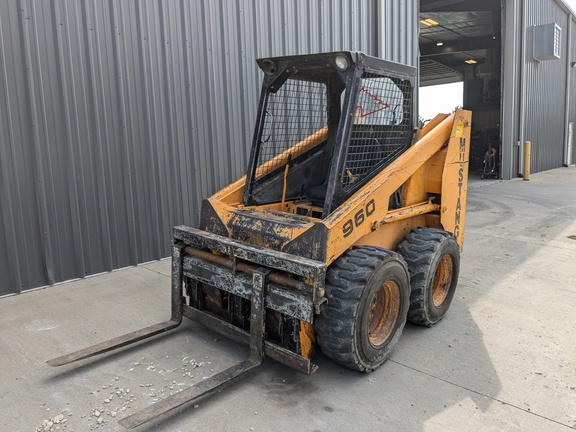
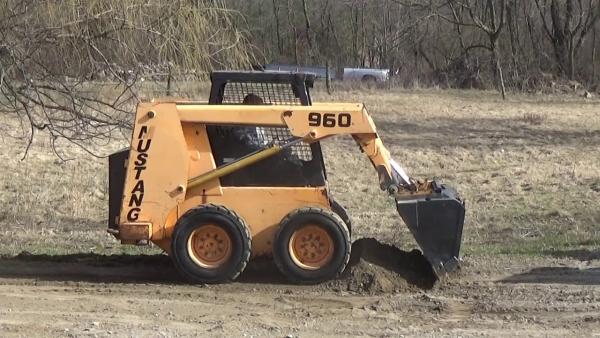
The Mustang 960 skid steer loader, manufactured in the early 1990s, is renowned for its durability and versatility in various construction and agricultural applications. However, like all machinery, it is susceptible to mechanical issues over time. One such common problem is jerky steering and intermittent right-side drive failure. Understanding the potential causes and solutions is essential for maintaining optimal performance.
Hydrostatic Drive System Overview
The Mustang 960 operates using a hydrostatic drive system, which relies on hydraulic fluid to transmit power from the engine to the wheels. This system offers smooth acceleration and deceleration, making it ideal for skid steer loaders. Key components include the hydraulic pump, drive motors, control valves, and relief valves. Any malfunction in these components can lead to steering issues or drive failures.
Common Causes of Jerky Steering and Drive Failure
- Hydraulic Fluid Contamination or Low Levels
Contaminated or insufficient hydraulic fluid can cause erratic steering and drive behavior. Debris or air in the hydraulic lines can obstruct flow, leading to inconsistent power delivery. Regularly checking and replacing the hydraulic fluid and filters can prevent such issues.
- Faulty Steering Control Valve
The steering control valve directs hydraulic fluid to the appropriate drive motors. If this valve becomes worn or sticky, it may not properly allocate fluid, resulting in jerky steering or loss of drive on one side. Inspecting and cleaning or replacing the valve can resolve this problem.
- Drive Motor Malfunction
Each wheel is powered by a hydraulic drive motor. A malfunction in the right-side drive motor, such as internal wear or a sticking shuttle valve, can cause intermittent drive failure. Swapping the drive motors between sides can help diagnose if the motor is at fault.
- Relief Valve Issues
The relief valve regulates the maximum pressure within the hydraulic system. If the relief valve is set too low or is malfunctioning, it can cause erratic hydraulic behavior, including jerky steering. Checking and adjusting the relief valve pressure to manufacturer specifications can alleviate this issue.
- Sprocket and Chain Wear
Worn sprockets or chains, particularly on the right side, can lead to power loss and jerky movement. Regular inspection and maintenance of the drive chains and sprockets are crucial for smooth operation.
Diagnostic Steps
- Hydraulic Fluid Check
- Ensure the hydraulic fluid is at the proper level and is clean.
- Replace the fluid and filters if contamination is present.
- Steering Control Valve Inspection
- Listen for unusual noises when steering, indicating a potential valve issue.
- Clean or replace the steering control valve if necessary.
- Drive Motor Testing
- Swap the right-side drive motor with the left-side motor.
- If the problem shifts to the left side, the motor is likely faulty.
- Relief Valve Adjustment
- Use a pressure gauge to check the relief valve setting.
- Adjust the valve to the correct pressure as per the service manual.
- Sprocket and Chain Inspection
- Check for wear or damage to the sprockets and chains.
- Replace any worn components to ensure proper power transmission.
Maintenance Tips- Regular Fluid Changes: Change the hydraulic fluid and filters at intervals recommended by the manufacturer to prevent contamination and ensure smooth operation.
- Component Lubrication: Lubricate moving parts, including the steering control valve and drive motors, to reduce wear and tear.
- System Bleeding: Periodically bleed the hydraulic system to remove air pockets that can cause erratic behavior.
- Component Inspection: Regularly inspect the steering and drive components for signs of wear or damage, addressing issues promptly to prevent further complications.
Conclusion
Jerky steering and intermittent right-side drive failure in the Mustang 960 skid steer loader can stem from various hydraulic and mechanical issues. By systematically diagnosing the problem and performing regular maintenance, operators can ensure the longevity and reliability of their equipment. Addressing these issues promptly not only restores functionality but also enhances safety and efficiency on the job site.
|
|
|
|
| Case 350 Crawler Transmission Leak and Torque Converter Inspection |
|
Posted by: MikePhua - 08-29-2025, 02:03 AM - Forum: Troubleshooting & Diagnosing
- No Replies
|
|
The Case 350 Crawler and Its Industrial Footprint
The Case 350 crawler loader was introduced in the late 1960s and remained in production through the 1970s, serving as a compact yet capable machine for grading, loading, and light earthmoving. Built by J.I. Case Company—founded in 1842 and later merged into CNH Industrial—the 350 series was part of Case’s push to offer affordable tracked machines for contractors, municipalities, and farmers. With an operating weight of around 12,000 lbs and powered by a 4-cylinder diesel engine, the 350 was known for its mechanical simplicity and field serviceability.
Though not produced in massive volumes compared to larger Case crawlers like the 1150, the 350 earned a loyal following, especially in Canada and the northern U.S., where its compact footprint and torque converter transmission made it ideal for tight job sites and cold-weather starts.
Transmission Oil Loss from the Bell Housing
A common issue reported in aging Case 350 units is the loss of transmission oil from the bell housing area—often measured at about one quart per eight hours of operation. This leak typically points to internal seal failure within the shuttle transmission or torque converter assembly.
The bell housing serves as the protective enclosure between the engine and transmission, housing the torque converter and input shaft. When oil escapes from this area, it suggests that pressurized fluid is bypassing a seal or that a component has cracked internally.
Charge Pump Seal and Torque Converter Spout
The most likely culprit is the seal at the charge pump, which supplies hydraulic pressure to the shuttle transmission. This seal is located near the torque converter’s spout—a critical interface where fluid is transferred from the converter to the transmission. If the spout is worn, pitted, or misaligned, the seal cannot maintain pressure, resulting in a slow but persistent leak.
In some cases, the torque converter itself may be cracked, especially if the machine has experienced hard impacts or overheating. A hairline fracture in the converter housing can allow fluid to seep into the bell housing and drip from the bottom drain hole.
Inspection and Removal Procedure
To confirm the source of the leak, the shuttle transmission must be removed. This involves: - Draining transmission fluid and disconnecting hydraulic lines
- Removing the loader frame crossmembers for access
- Unbolting the bell housing and separating the engine from the transmission
- Inspecting the torque converter spout and charge pump seal
- Checking for cracks or scoring in the converter housing
Once the shuttle is out, the seal can be replaced with a high-temperature Viton equivalent. If the spout is damaged, it may require machining or replacement. Cracked converters should be replaced entirely, as welding or patching is unreliable under pressure.
Field Anecdotes and Operator Wisdom
One diesel fitter in Queensland recalled a similar issue on a Case 350 used for clearing fence lines. The machine leaked oil steadily from the bell housing, and after removing the shuttle, they discovered the converter spout had worn into an oval shape. The seal had no chance of holding pressure. A replacement spout and seal resolved the issue, and the machine returned to service with no further leaks.
Another operator in Ontario shared that his 350 had a leak that worsened in cold weather. The seal shrank slightly in freezing temperatures, allowing more fluid to escape. He installed a block heater to keep the transmission warm overnight, which reduced the leak until a full teardown could be scheduled.
Preventive Maintenance and Recommendations
To prevent transmission oil loss in Case 350 crawlers:- Monitor fluid levels daily and inspect for drips under the bell housing
- Use high-quality transmission fluid with proper viscosity for ambient temperature
- Install a magnetic drain plug to catch metal particles from internal wear
- Schedule seal replacement every 2,000 hours or during clutch service
- Avoid overloading the machine, which increases torque converter stress
- Keep the torque converter area clean to spot leaks early
If the machine is used seasonally, consider draining the transmission during long storage periods to reduce seal degradation.
Conclusion
The Case 350 crawler remains a dependable machine decades after its release, but transmission oil loss from the bell housing is a warning sign that demands attention. Whether caused by a failed charge pump seal or a cracked torque converter spout, the solution requires careful inspection and precise repair. With proper maintenance and field-tested wisdom, these machines can continue to serve operators in grading, loading, and land clearing tasks—proving that even vintage iron has plenty of life left when treated right.
|
|
|
|
| Caterpillar D5M LGP Maintenance and Oil Specifications |
|
Posted by: MikePhua - 08-29-2025, 02:02 AM - Forum: General Discussion
- No Replies
|
|
The Caterpillar D5M LGP (Low Ground Pressure) is a versatile and durable crawler dozer, renowned for its performance in soft and marshy terrains. Introduced in the late 1990s, the D5M LGP was designed to offer superior flotation and reduced ground disturbance, making it ideal for applications like land clearing, grading, and construction in sensitive environments. With a net power output of 110 horsepower at 2,100 rpm, the D5M LGP is powered by the turbocharged Caterpillar 3116T engine, which boasts a displacement of 6.6 liters. This engine, combined with the machine's elevated sprocket undercarriage design, provides enhanced maneuverability and efficiency.
Engine Oil Specifications
The engine oil capacity for the D5M LGP is 6.9 gallons (26 liters). Caterpillar recommends using oils that meet the Caterpillar TO-4 specification for transmission and drivetrain components. These oils are designed to provide optimal performance and protection under the demanding conditions typical of heavy machinery operations.
Hydraulic Fluid Capacity and Maintenance
The hydraulic system of the D5M LGP has a capacity of 8.5 gallons (32 liters). Regular maintenance of the hydraulic system is crucial for ensuring the machine's performance and longevity. Caterpillar recommends changing the hydraulic oil every 2,000 service hours or annually, whichever comes first. However, this interval can be extended up to 4,000 service hours or two years if oil analysis through the S·O·S Services program indicates that the oil is still in good condition. If S·O·S oil analysis is not available, the standard 2,000-hour or annual interval should be followed.
Transmission and Powertrain Fluids
The D5M LGP's powertrain fluid capacity is 27.8 gallons (105 liters), which includes the transmission and final drive systems. The final drive fluid capacity is 1.6 gallons (6 liters). For the transmission and drivetrain components, Caterpillar recommends using oils that meet the TO-4 specification. These oils are formulated to provide excellent wear protection and resist oxidation, ensuring the longevity and reliability of the powertrain components.
Cooling System Fluid
The cooling system of the D5M LGP has a capacity of 12.2 gallons (46 liters). Maintaining the proper level and condition of the coolant is essential for preventing engine overheating and ensuring optimal performance. Regular checks and maintenance of the cooling system can help in identifying potential issues before they lead to significant problems.
Maintenance Intervals
Caterpillar provides a Planned Maintenance (PM) schedule to assist in keeping the D5M LGP in peak operating condition. The intervals are as follows: - PM1: Every 250 hours of machine operation
- PM2: Every 500 hours of machine operation
- PM3: Every 1,000 hours of machine operation
- PM4: Every 2,000 hours of machine operation
These intervals are designed to ensure that all critical components are inspected and maintained regularly, reducing the risk of unexpected failures and extending the machine's service life.
Conclusion
The Caterpillar D5M LGP is a robust and reliable machine, but like all heavy equipment, it requires regular maintenance to perform at its best. Adhering to the recommended oil capacities and maintenance intervals is crucial for ensuring the longevity and efficiency of the machine. By following these guidelines, operators can maximize the performance of their D5M LGP and minimize the risk of costly repairs.
|
|
|
|
| Pettibone Multikranes: Pioneers in Mobile Hydraulic Cranes |
|
Posted by: MikePhua - 08-29-2025, 02:02 AM - Forum: General Discussion
- No Replies
|
|
Introduction
In the mid-20th century, the construction and railroad industries faced challenges in handling heavy materials in rugged terrains. Traditional cranes were often too bulky or lacked the necessary mobility. Pettibone, a company with a rich history in material handling equipment, recognized this gap and introduced the Multikrane series—a line of mobile hydraulic cranes that combined versatility with power.
The Birth of the Multikrane Series
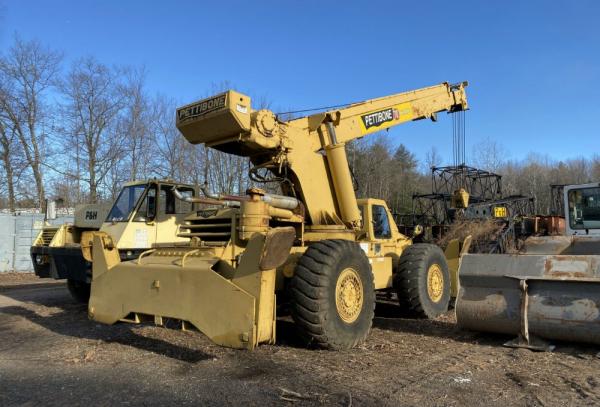
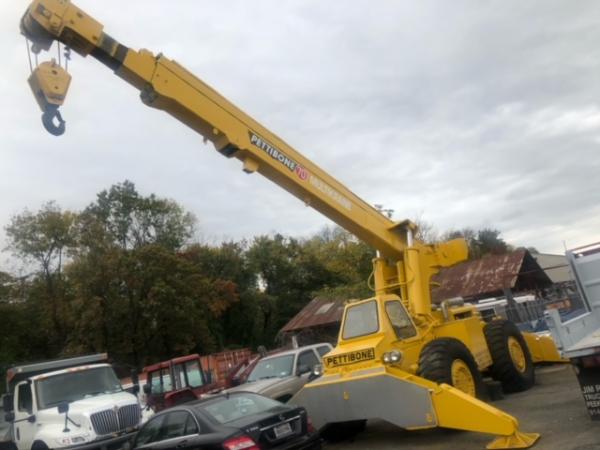
Pettibone, established in 1881 as Pettibone Mulliken, initially focused on manufacturing railroad track equipment. Over time, the company expanded its product line to include cranes and other material handling equipment. In the 1950s, Pettibone introduced the Multikrane series, which featured a unique design that allowed the crane's cab to rotate independently of the chassis. This "swing cab" design provided operators with enhanced visibility and maneuverability, making it ideal for confined spaces and challenging job sites.
Design and Features
The Multikrane series was characterized by its robust construction and innovative features: - Swing Cab: Allowed the operator to rotate the cab 360 degrees, providing better visibility and control.
- Hydraulic Boom: Enabled precise lifting and placement of heavy loads.
- Rough Terrain Capability: Equipped with large, durable tires and a high ground clearance to navigate uneven surfaces.
- Versatility: Compatible with various attachments, including hooks, buckets, and grapples, to handle different materials.
Popular Models
Several models of the Multikrane series gained prominence in the industry:- Model 30: A 15-ton capacity crane with a three-section telescopic boom, suitable for light to medium-duty tasks.
- Model 70: A 35-ton capacity crane with a longer reach, designed for heavier lifting operations.
- Model 100: One of the larger models, offering increased lifting capacity for more demanding applications.
Legacy and Impact
The Multikrane series revolutionized material handling in industries such as construction, railroad maintenance, and utilities. Its combination of mobility, power, and versatility allowed operators to perform tasks more efficiently and safely. Many of these cranes remain in service today, a testament to their durability and the foresight of Pettibone's design.
Conclusion
Pettibone's Multikrane series stands as a significant achievement in the evolution of mobile cranes. By addressing the industry's need for versatile and powerful equipment, Pettibone not only enhanced operational efficiency but also set new standards in crane design. The legacy of the Multikrane continues to influence modern crane technology, underscoring Pettibone's role as a pioneer in the field.
|
|
|
|
| Rebuilding a 10-Ton Harvey Deck-Over Trailer for Long-Term Durability |
|
Posted by: MikePhua - 08-29-2025, 02:01 AM - Forum: General Discussion
- No Replies
|
|
The Harvey Deck-Over and Its Role in Midweight Hauling
Harvey Trailers, a regional manufacturer known for rugged utility and equipment trailers, has long served contractors and farmers across the northeastern United States. Their 10-ton deck-over models are built for versatility—capable of hauling skid steers, compact excavators, lumber, and even small dozers. With a flat deck above the wheels, these trailers offer full-width loading and better clearance for uneven terrain.
While Harvey’s production numbers are modest compared to national brands, their trailers are often praised for simplicity and repairability. Many units from the early 2000s are still in service, though they require periodic upgrades to decking, crossmembers, and corrosion protection.
Replacing the Deck and Reinforcing Crossmembers
One of the most common maintenance tasks on a deck-over trailer is replacing the wooden deck. Treated lumber, while durable, eventually warps, cracks, or rots—especially in northern climates where salt and moisture accelerate decay. In this rebuild, the owner opted for new decking and addressed a structural weakness: flimsy angle-iron crossmembers over the tires.
To improve strength and longevity, several options were considered: - Flat-laid channel steel (e.g., 5" channel)
- Square tubing (e.g., 2" x 2" x ¼" wall)
- Solid bar stock for moisture resistance
- Angle iron with gussets for reinforcement
Ultimately, channel steel laid flat was chosen for its open profile, which resists moisture entrapment and allows debris to fall through. Square tubing was rejected due to its tendency to trap salty dirt and rust from the inside out—a common failure mode in winter-hauling regions like Vermont and upstate New York.
Fastening the Deck with Trailer Screws
Securing the new deck required careful selection of fasteners. While local trailer shops quoted $2 per screw, bulk suppliers offered Torx T40 trailer deck screws at just $0.18 each. These screws, typically 5/16"-18 x 2½", are designed to resist vibration and shear forces while allowing easy removal for future maintenance.
To align the screws with existing frame holes, a two-step drilling method was used:- Drill upward from the frame using a pilot bit to locate hole centers
- Drill downward from the deck surface with a countersink bit for flush mounting
This approach preserved the structural integrity of the frame while ensuring consistent screw placement.
Corrosion Protection and Paint Strategy
After structural upgrades, the trailer received a fresh coat of Rust-Oleum paint—thinned for better penetration into crevices and weld seams. While not a substitute for galvanizing, this method offers decent protection when applied properly. In high-salt regions, some operators use fluid film or lanolin-based sprays, though these tend to wear off quickly in winter.
One operator noted that fluid film lasted “about 10 minutes” in Vermont slush, reinforcing the need for hard coatings and open-profile steel. For long-term protection, epoxy primers and topcoats are recommended, especially on crossmembers and tongue areas where road spray is most aggressive.
Field Wisdom and Practical Humor
The rebuild sparked a bit of field banter, including the classic “good, fast, cheap—pick one” dilemma. This old adage, often heard in fabrication shops, reminds builders that trade-offs are inevitable. In this case, the owner prioritized durability and cost-efficiency, accepting a slower rebuild timeline in exchange for better materials and long-term reliability.
One contributor joked that the trailer looked “pretty as long as it’s dark out,” a nod to the reality that utility trailers don’t need showroom polish—they need to survive gravel roads, jobsite mud, and snowbanks.
Recommendations for Trailer Owners
For those maintaining or rebuilding deck-over trailers, consider the following:- Use open-profile steel (channel or angle) for crossmembers to prevent internal rust
- Avoid square tubing unless fully sealed and treated
- Source deck screws in bulk from industrial suppliers
- Drill pilot holes from below to align with frame structure
- Apply thinned Rust-Oleum or epoxy coatings for corrosion resistance
- Inspect and replace decking every 5–7 years depending on climate and usage
- Store trailers on gravel or blocks to reduce moisture exposure from below
Conclusion
The 10-ton Harvey deck-over trailer, while modest in design, proves that thoughtful upgrades can extend its service life well beyond expectations. By reinforcing weak points, choosing corrosion-resistant materials, and applying practical field wisdom, operators can keep these workhorses rolling for decades. Whether hauling equipment to a jobsite or lumber to a mill, a well-maintained deck-over is more than a tool—it’s a partner in the work.
|
|
|
|
| Understanding and Addressing Squealing in Caterpillar D4H Track Rollers |
|
Posted by: MikePhua - 08-29-2025, 02:00 AM - Forum: Troubleshooting & Diagnosing
- No Replies
|
|
The Caterpillar D4H, a compact yet robust crawler dozer, has been a staple in construction and agricultural operations since its introduction in the late 1980s. Renowned for its versatility and reliability, the D4H is equipped with a high-drive undercarriage system, which positions the final drive above the track rollers, offering enhanced ground clearance and maneuverability. However, like all machinery, it is susceptible to wear and tear, particularly in its undercarriage components. One common issue operators encounter is the squealing noise emanating from the track rollers during operation.
Causes of Squealing in Track Rollers
Squealing noises often indicate friction between moving parts, and in the case of the D4H, this is typically due to insufficient lubrication or wear in the track rollers. The track rollers are designed to support the weight of the machine and facilitate smooth movement of the tracks. Over time, the seals within these rollers can degrade, leading to grease leakage and the ingress of contaminants such as dirt and water. This contamination accelerates wear on the internal components, resulting in increased friction and the characteristic squealing sound.
Maintenance Practices to Prevent Squealing
Regular maintenance is crucial to prolong the life of the track rollers and prevent squealing. Caterpillar recommends daily cleaning of the undercarriage to remove dirt and debris, which can exacerbate wear. Using a shovel or similar tool, operators should clean the track roller frame, equalizer bar ends, pivot shaft, track idlers, and rollers. In cases where mud is packed tightly, washing with water is advised, but care should be taken not to directly spray seals, track pins, or roller stoppers .
Additionally, inspecting the track rollers for signs of wear or damage is essential. Operators should listen for unusual noises during operation, as these can indicate dry joints or other issues. After shutting down the machine, lightly feeling the ends of each pin or bushing for excess heat can help identify areas of concern. It's important to note that these components may be very hot immediately after operation, so caution is advised .
Replacing Worn Track Rollers
When squealing persists despite lubrication and cleaning efforts, it may be time to replace the affected track rollers. Fortunately, on the D4H, both upper and lower rollers can be replaced without removing the track chain. To replace a bottom roller, operators should release the grease tensioner, jack up the machine using the blade and rippers, and block it in place. This provides ample clearance to remove the roller. For the top roller, placing a jack and block of wood between the track frame and the chain beside the carrier roller, and applying tension, will bring the chain up tight to the bottom rollers. Lowering the dozer back to the ground and using a lifting device, such as an excavator or crane, will provide sufficient clearance to remove the roller or roller and post assembly .
Economic Considerations
Replacing track rollers can be a significant investment. Prices for genuine Caterpillar rollers can vary, but as an example, one operator reported costs of approximately $325 for genuine rollers and $280 for non-genuine alternatives. It's important to consider the long-term benefits of using genuine parts, which may offer better durability and performance, potentially reducing maintenance costs over time.
Real-World Experiences
Operators have shared various experiences regarding squealing track rollers. One operator noted that after replacing a worn roller, the machine operated much more quietly, indicating a significant reduction in friction and wear. Another shared a story of purchasing a used D4H with a high-hour undercarriage, only to discover that the track pivot was dry and packed with dirt and rust. This condition led to misalignment and frame drift, highlighting the importance of thorough inspections and maintenance .
Conclusion
Squealing in Caterpillar D4H track rollers is a common issue that can often be attributed to inadequate lubrication or wear. Regular maintenance, including cleaning and inspection, is essential to prevent such problems. When squealing persists, replacing the affected rollers is necessary to maintain the machine's performance and longevity. By adhering to recommended maintenance practices and promptly addressing issues, operators can ensure their D4H dozers continue to operate efficiently and effectively.
|
|
|
|
| Caterpillar 304CR Mini Excavator Dozer Arm Repair |
|
Posted by: MikePhua - 08-29-2025, 02:00 AM - Forum: Troubleshooting & Diagnosing
- No Replies
|
|
Introduction
The Caterpillar 304CR Mini Hydraulic Excavator, introduced in the early 2000s, quickly became a staple in urban construction and landscaping due to its compact size and powerful performance. However, like all heavy machinery, it is susceptible to wear and tear, especially in demanding tasks. One such component that often requires attention is the dozer arm, which plays a crucial role in leveling and backfilling operations.
Common Causes of Dozer Arm Damage
The dozer arm, being a primary structural element, faces significant stress during operations. Common causes of damage include: - Overloading: Attempting to push or lift loads beyond the machine's capacity can lead to bending or cracking.
- Impact with Hard Objects: Striking immovable objects like large rocks or concrete can cause immediate damage.
- Wear and Tear: Continuous use without proper maintenance can weaken the arm over time.
Repair Techniques
When faced with a damaged dozer arm, several repair methods can be employed:- Welding: For minor cracks or holes, welding can restore the arm's integrity.
- Plating: Applying steel plates over the damaged area can reinforce the arm and prevent further damage.
- Replacement: In cases of severe damage, replacing the entire dozer arm may be necessary.
Case Study: Practical Repair Approach
A notable instance of dozer arm repair involved a Caterpillar 304CR Mini Excavator. The operator had been moving a boulder approximately the size of the machine, which led to significant damage to the dozer arm. Upon inspection, the damage was considerable, with the dozer arm on the ground and the opposite side bent outward. The repair was executed using two 1.5-ton chain come-alongs and some ingenuity. The arms were plated with 3/8" steel plates to match the original structure, effectively restoring functionality.
Maintenance Tips to Prevent Damage
To extend the lifespan of the dozer arm and prevent costly repairs:- Regular Inspections: Frequently check for signs of wear, cracks, or bending.
- Proper Loading: Avoid overloading the machine beyond its rated capacity.
- Use Appropriate Attachments: Ensure that the right tools and attachments are used for specific tasks.
- Routine Maintenance: Follow the manufacturer's maintenance schedule, including lubrication and hydraulic system checks.
Conclusion
The dozer arm is an essential component of the Caterpillar 304CR Mini Excavator. Understanding common causes of damage and employing effective repair techniques can ensure the machine's longevity and optimal performance. Regular maintenance and mindful operation are key to preventing damage and reducing repair costs.
|
|
|
|
| Komatsu PC30MR-1 Hydraulic Stall Issue and Diagnostic Pathways |
|
Posted by: MikePhua - 08-29-2025, 01:59 AM - Forum: Troubleshooting & Diagnosing
- No Replies
|
|
The Komatsu PC30MR-1 and Its Compact Excavator Legacy
The Komatsu PC30MR-1 is a compact hydraulic excavator designed for tight-access urban work, landscaping, and utility trenching. Released in the early 2000s, it was part of Komatsu’s MR Series, which emphasized minimal tail swing, operator comfort, and simplified maintenance. Komatsu, founded in Japan in 1921, has long been a global leader in earthmoving equipment, with its compact excavators gaining strong market share in Australia, Southeast Asia, and Europe.
The PC30MR-1, often recognized by its all-yellow livery, features a three-cylinder diesel engine, gear-type hydraulic pumps, and joystick-controlled pilot hydraulics. With an operating weight around 3,300 kg and a dig depth of 2.8 meters, it’s a favorite among contractors for its maneuverability and reliability. However, like many aging machines, it can develop intermittent hydraulic and engine performance issues that require careful diagnosis.
Symptoms of Hydraulic-Induced Engine Stall
A recurring issue reported on the PC30MR-1 involves the engine stalling after 20–30 minutes of operation, regardless of engine speed or hydraulic load. The machine starts and idles normally, but when the operator engages the hydraulic system—whether lifting, swinging, or digging—the engine bogs down and stalls. Interestingly, wiggling the joysticks just before the stall can sometimes restore engine RPM, suggesting a feedback or control loop issue.
This behavior points to a hydraulic system fault that places excessive load on the engine or disrupts fuel delivery. The fact that the engine restarts immediately but stalls again under hydraulic load narrows the problem to a dynamic interaction between the hydraulic pump and engine control systems.
Initial Diagnostic Priorities
Before diving into hydraulic pump replacement or sensor testing, technicians should rule out basic fuel and air system faults. Common culprits include: - Clogged fuel strainer or primary filter
- Weak fuel transfer pump unable to maintain pressure under load
- Dirty or collapsed air filter restricting combustion
- Faulty fuel shutoff solenoid or intermittent ignition switch contact
These components are inexpensive and easy to inspect. A weak fuel system can mimic hydraulic overload symptoms by starving the engine when demand spikes. In one case, a field technician in Ontario resolved a similar issue by replacing a cracked fuel line that was drawing air under vibration.
Hydraulic Load and Engine Stall Relationship
Hydraulic systems draw power from the engine via a direct mechanical coupling. If the pump begins to bypass internally or seize intermittently, it can place sudden torque demands on the engine, causing RPM drop and stall. However, a truly “weak” pump typically results in slow or unresponsive hydraulics—not engine stall.
In the PC30MR-1, the gear pump is simple and robust, but over time, wear in the pump housing or gear teeth can lead to pressure spikes or cavitation. If the pump is binding under heat expansion, it may momentarily overload the engine. This would explain why the issue appears after 20–30 minutes of operation, when hydraulic oil reaches peak temperature.
Flow Sensor Valve and Control Feedback
Some operators suspect a faulty flow sensor valve, though the PC30MR-1 Dash-1 series may not include a true electronic flow sensor. Instead, it relies on pilot pressure modulation and mechanical feedback from joystick position. If a pilot valve is sticking or a relief valve is misadjusted, it can cause erratic hydraulic behavior that affects engine load.
To test this:- Monitor pilot pressure during joystick movement
- Check relief valve settings against factory specs
- Inspect joystick linkages and pilot lines for wear or contamination
- Use infrared thermography to detect hot spots in the pump or valve block
If pilot pressure drops or spikes during operation, it may indicate a control fault rather than a pump failure.
Workshop Limitations and Field Strategy
Without flow gauges or diagnostic software, mechanics must rely on process-of-elimination and field experience. One technician recommended installing a mechanical pressure gauge on the main hydraulic line and observing pressure behavior during stall events. If pressure spikes just before the engine dies, it confirms a hydraulic overload. If pressure drops, it may point to fuel starvation or pump cavitation.
In remote areas, operators have used creative methods to isolate faults—such as bypassing the hydraulic pump with a belt-driven dummy load or temporarily disabling pilot controls to observe engine behavior under static conditions.
Recommendations for Repair and Prevention
To resolve and prevent similar issues:- Replace fuel filters and inspect tank pickup for debris or rust
- Test fuel pressure under load using a mechanical gauge
- Clean or replace air filters and inspect intake hoses
- Check pilot valve operation and joystick response
- Monitor hydraulic pressure and temperature during operation
- Avoid overfilling hydraulic oil, which can cause aeration and heat buildup
- Use OEM-spec hydraulic fluid with proper viscosity rating
If the pump is suspected, consider sending it for bench testing before replacement. Rebuilt pumps are available, but installation requires precise alignment and torque settings to avoid shaft damage.
Conclusion
The Komatsu PC30MR-1 remains a reliable compact excavator, but hydraulic-induced engine stall can be a frustrating issue without proper diagnostic tools. By understanding the interplay between fuel delivery, hydraulic load, and pilot control, operators and technicians can isolate the fault and restore performance. Whether working in urban trenches or rural fence lines, this machine deserves careful attention—and with the right approach, it will keep digging for years to come.
|
|
|
|
|



