| Welcome, Guest |
You have to register before you can post on our site.
|
| Forum Statistics |
» Members: 74
» Latest member: Tomo
» Forum threads: 47,413
» Forum posts: 47,419
Full Statistics
|
| Online Users |
There are currently 278 online users.
» 0 Member(s) | 266 Guest(s)
Amazon, Bing, Bytespider, Claude, DataForSeo, DotBot, Google, OpenAI, Semrush, Sogou, Trendiction, 360
|
| Latest Threads |
Identifying and Sourcing ...
Forum: Parts , Attachments & Tools
Last Post: MikePhua
01-07-2026, 06:29 PM
» Replies: 0
» Views: 440
|
Cat 931B Brake Parts
Forum: Parts , Attachments & Tools
Last Post: MikePhua
01-07-2026, 06:29 PM
» Replies: 0
» Views: 268
|
Choosing Between Cat 228,...
Forum: General Discussion
Last Post: MikePhua
01-07-2026, 06:28 PM
» Replies: 0
» Views: 459
|
Fix It or Part It Out
Forum: General Discussion
Last Post: MikePhua
01-07-2026, 06:27 PM
» Replies: 0
» Views: 335
|
Hydraulic Delay When Lowe...
Forum: Troubleshooting & Diagnosing
Last Post: MikePhua
01-07-2026, 06:27 PM
» Replies: 0
» Views: 409
|
Bale Chopper and Mulcher ...
Forum: General Discussion
Last Post: MikePhua
01-07-2026, 06:26 PM
» Replies: 0
» Views: 294
|
Mini UC Maintenance
Forum: General Discussion
Last Post: MikePhua
01-07-2026, 06:25 PM
» Replies: 0
» Views: 283
|
Locating Wiring Informati...
Forum: General Discussion
Last Post: MikePhua
01-07-2026, 06:24 PM
» Replies: 0
» Views: 318
|
Case Industrial Brown Sub...
Forum: Parts , Attachments & Tools
Last Post: MikePhua
01-07-2026, 06:23 PM
» Replies: 0
» Views: 260
|
Dirt Work in West Virgini...
Forum: Construction & Urban Infrastructure Forum
Last Post: MikePhua
01-07-2026, 06:23 PM
» Replies: 0
» Views: 347
|
|
|
| International Harvester 3500A Backhoe Loader Overview |
|
Posted by: MikePhua - 09-02-2025, 02:12 PM - Forum: General Discussion
- No Replies
|
 |
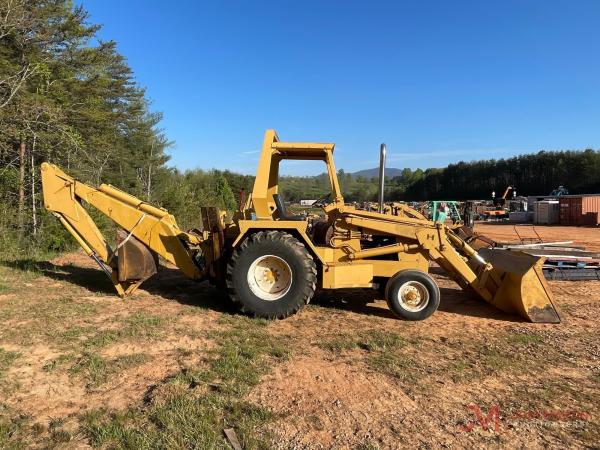
The International Harvester 3500A backhoe loader, produced between 1972 and 1977, stands as a testament to the engineering prowess of its era. Designed for versatility and durability, this machine catered to a wide range of construction and agricultural tasks. Its robust build and innovative features made it a preferred choice for many operators during its production years.
Development and Manufacturing
International Harvester (IH), founded in 1902, was a significant player in the manufacturing of agricultural and construction equipment. The 3500A was part of IH's strategy to expand its construction equipment line, following the acquisition of the Hough company in 1952, which brought the Payloader series into its portfolio. The 3500A was assembled in various IH plants, including those in Doncaster, England, and the U.S. Its design incorporated feedback from operators and advancements in hydraulic technology, ensuring it met the demands of modern construction sites.
Specifications - Engine: 80 hp (59.7 kW) diesel engine
- Transmission: 8-speed gear transmission with mechanical reverser
- Hydraulic System:
- Total flow: 30.1 gpm (113.9 lpm)
- Steering flow: 2.7 gpm (10.2 lpm)
- Dimensions:
- Wheelbase: 82 inches (208 cm)
- Weight: 14,250 lbs (6,463 kg)
- Rear tires: 17.5L-24
- Loader Bucket: 3' x 7' x 24"
- Backhoe Digging Depth: 17.4 inches (44 cm)
Performance and Features
The 3500A was equipped with a hydrostatic power steering system, providing smooth and responsive control. Its independent hydraulic wet disc brakes ensured reliable stopping power, even under heavy loads. The machine's design allowed for easy maintenance, with accessible components and clear service points. Operators appreciated the comfort of the cab, which could be equipped with a heater for colder climates.
Legacy and Collectibility
While production of the 3500A ceased in the late 1970s, its legacy endures among collectors and enthusiasts. The machine's durability and the availability of parts have contributed to its continued presence in various industries. Restored models are often showcased at vintage machinery events, highlighting the enduring appeal of IH's engineering.
Conclusion
The International Harvester 3500A backhoe loader exemplifies the blend of innovation and practicality that characterized IH's approach to construction equipment. Its robust design and versatile capabilities have ensured its place in the annals of heavy machinery history. For those interested in vintage construction equipment, the 3500A offers a glimpse into the technological advancements of the 1970s and remains a valuable asset for various applications.
|

|
|
| Caterpillar 14E Motor Grader |
|
Posted by: MikePhua - 09-02-2025, 02:11 PM - Forum: General Discussion
- No Replies
|
|
Introduction
The Caterpillar 14E Motor Grader, introduced in the late 1960s, represents a significant advancement in road construction and maintenance equipment. As a successor to the 12F model, the 14E incorporated several design improvements that enhanced its performance and operator comfort. Its robust construction and versatile capabilities have made it a valuable asset in various grading applications.
Specifications - Engine: The 14E is powered by a six-cylinder, 640.8 cubic inch displacement engine, delivering a net power of 150 horsepower at 2,000 rpm.
- Dimensions:
- Overall Length: 27.24 ft
- Width Over Tires: 8.01 ft
- Wheelbase: 20.02 ft
- Blade Base: 9.03 ft
- Height to Top of Isomount Cab: 10.67 ft
- Weight: Approximately 30,027 lbs
- Hydraulic System Fluid Capacity: 8.5 gallons
Design Features
The 14E featured several design enhancements over its predecessor:- Hydraulic-Boosted Gear Controls: This system provided operators with improved control and responsiveness, reducing physical effort during operation.
- Blade Lift Gear Placement: The blade lift gears were mounted above the front wheels, improving visibility and accessibility for maintenance.
Maintenance Considerations
Operators have reported issues with the planetary gears within the gearbox that controls the blade's elevation. These gears, often referred to as "spider gears," can suffer from broken teeth due to wear and tear. Regular inspections and maintenance are crucial to prevent such failures.
Parts and Manuals
For those maintaining or restoring a 14E, obtaining the correct parts and manuals is essential. Reproduction operator manuals are available, providing valuable information on proper operation and preventative maintenance procedures. Parts manuals, such as the HTCT-P14E12K1, contain exploded views and part numbers to assist in sourcing the correct components.
Market Presence
Despite being discontinued, the 14E continues to be available in the used equipment market. For instance, a 1968 model was listed for sale in Fresno, California, highlighting the model's enduring presence and utility in the field.
Conclusion
The Caterpillar 14E Motor Grader remains a testament to Caterpillar's engineering excellence. Its durable design and powerful performance continue to serve operators in various grading applications. For those interested in vintage heavy equipment, the 14E offers a blend of historical value and practical functionality.
|
|
|
|
| Fixing Loose Joystick Controls in Heavy Equipment |
|
Posted by: MikePhua - 09-02-2025, 02:10 PM - Forum: Troubleshooting & Diagnosing
- No Replies
|
|
Introduction
Loose or unresponsive joystick controls in heavy machinery can significantly hinder operational efficiency and safety. Such issues often stem from hydraulic system malfunctions, mechanical wear, or inadequate maintenance. Addressing these problems promptly is essential to maintain optimal performance and prevent costly repairs.
Common Causes of Loose Joystick Controls
- Hydraulic System Issues
- Contaminated Hydraulic Fluid: Debris or water in the hydraulic fluid can cause valves to stick or malfunction, leading to unresponsive controls.
- Overfilled Hydraulic Reservoir: Excess fluid can cause aeration, reducing the effectiveness of the hydraulic system.
- Faulty Solenoid Valves: These valves control the flow of hydraulic fluid; if they fail, it can result in loss of control.
- Mechanical Wear
- Worn Linkages: The mechanical linkages connecting the joystick to the control valves can wear out over time, leading to excessive play and reduced responsiveness.
- Loose or Damaged Mounting Hardware: Bolts and fasteners that secure the joystick assembly can loosen, causing instability.
- Operator-Induced Factors
- Improper Use: Aggressive operation or misuse of the joystick can accelerate wear and lead to looseness.
- Neglecting Maintenance: Failure to regularly inspect and maintain the joystick assembly can result in undetected issues.
Diagnostic Steps
- Visual Inspection
- Check for any visible signs of damage or wear on the joystick and its surrounding components.
- Ensure that all mounting bolts and fasteners are tight and secure.
- Hydraulic System Check
- Inspect the hydraulic fluid for contamination or improper levels.
- Listen for unusual noises that may indicate air in the system or cavitation.
- Functional Testing
- Operate the joystick and observe its response.
- Note any inconsistencies or delays in movement.
Repair Procedures
- Cleaning and Replacing Hydraulic Components
- Drain and replace contaminated hydraulic fluid.
- Clean or replace filters to ensure proper fluid flow.
- Test and replace faulty solenoid valves as needed.
- Addressing Mechanical Wear
- Tighten or replace loose mounting hardware.
- Lubricate moving parts to reduce friction and wear.
- Replace worn linkages or components as necessary.
- Preventive Measures
- Implement a regular maintenance schedule to inspect and service the joystick assembly.
- Train operators on proper joystick handling techniques to minimize wear.
Conclusion
Loose joystick controls in heavy equipment can be attributed to various factors, including hydraulic system issues, mechanical wear, and operator-induced factors. By conducting thorough diagnostics and addressing the root causes, operators can restore full functionality to their equipment, ensuring safety and efficiency on the job site. Regular maintenance and operator training play crucial roles in preventing such issues from arising.
|
|
|
|
| Komatsu PC220LC-7 |
|
Posted by: MikePhua - 09-02-2025, 02:09 PM - Forum: General Discussion
- No Replies
|
|
Introduction to the Komatsu PC220LC-7
The Komatsu PC220LC-7 is a hydraulic crawler excavator renowned for its robust performance and versatility in various construction applications. Manufactured between 2008 and 2015, it has been a staple in the heavy equipment industry, offering a balance between power, efficiency, and operator comfort.
Technical Specifications - Engine: Powered by the Komatsu SAA6D102E-2 engine, delivering 125 kW (168 HP) at 2000 rpm. This engine is known for its reliability and fuel efficiency.
- Operating Weight: Ranges from 23,940 to 25,033 kg, depending on the configuration and attachments.
- Bucket Capacity: Varies between 0.48 to 1.74 m³, allowing for flexibility in different digging tasks.
- Maximum Digging Depth: Approximately 6.92 meters.
- Maximum Reach: Up to 10.02 meters horizontally.
- Hydraulic System: Features a two-pump system controlled by Komatsu's HydrauMind, ensuring efficient power distribution and smooth operation.
Performance and Efficiency
The PC220LC-7's engine and hydraulic system are designed to provide optimal performance while maintaining fuel efficiency. The machine's fuel consumption is reduced by approximately 16% in Economy mode compared to the Active mode, without compromising productivity.
Operator Comfort and Safety
Komatsu has prioritized operator comfort in the PC220LC-7. The cab is 14% larger than its predecessor, offering a spacious environment with low noise levels and reduced vibrations. Features such as air conditioning and a pressurized cabin contribute to a comfortable working environment.
Reliability and Durability
The PC220LC-7 is built with high rigidity work equipment and a sturdy frame structure, ensuring durability in demanding conditions. Komatsu's commitment to quality is evident in the machine's long service life and minimal maintenance requirements.
Common Issues and Troubleshooting
While the PC220LC-7 is generally reliable, some users have reported starting issues due to air intake heater shorts and starter motor failures. To address these problems, it's recommended to disconnect the heater circuit to prevent further shorts, inspect battery cables for corrosion or damage, and test the starter motor for proper operation.
Market Presence and Value
The Komatsu PC220LC-7 has maintained a strong presence in the used equipment market. Units with around 6,100 hours have been valued between $35,000 and $185,000, depending on condition and configuration.
Conclusion
The Komatsu PC220LC-7 stands out as a reliable and efficient excavator, suitable for a wide range of construction tasks. Its combination of power, fuel efficiency, operator comfort, and durability makes it a valuable asset for any construction fleet. Whether considering a new purchase or evaluating a used unit, the PC220LC-7 offers a compelling option for those seeking performance and reliability.
|
|
|
|
| Caterpillar 14E Motor Grader |
|
Posted by: MikePhua - 09-02-2025, 02:06 PM - Forum: General Discussion
- No Replies
|
|
Introduction
The Caterpillar 14E motor grader, introduced in the late 1960s, stands as a testament to Caterpillar's commitment to producing durable and efficient heavy machinery. Designed for road construction, maintenance, and large-scale grading projects, the 14E was a pivotal model in Caterpillar's lineup during its era.
Key Specifications - Engine: The 14E is equipped with a six-cylinder, 640.8 cubic inch displacement engine, delivering a net power of 150 horsepower at 2,000 rpm.
- Dimensions:
- Length: 27.24 ft
- Width: 8.01 ft
- Height: 10.67 ft to the top of the Isomount cab
- Wheelbase: 20.02 ft
- Blade Base: 9.03 ft
- Weight: Approximately 30,027 lbs
- Hydraulic System Fluid Capacity: 8.5 gallons
Design Features
The 14E featured hydraulic-boosted gear controls, a design that distinguished it from its predecessor, the 12F. This setup provided operators with enhanced control and responsiveness. Additionally, the blade lift gears were mounted above the front wheels, a configuration that improved visibility and accessibility for maintenance.
Common Maintenance Issues
A prevalent issue reported by operators is the failure of the planetary gears within the gearbox that controls the blade's elevation. These gears, often referred to as "spider gears," can suffer from broken teeth due to wear and tear. For instance, one operator noted a broken tooth on one of these gears, highlighting the importance of regular inspections and maintenance to prevent such failures.
Parts and Maintenance
Replacement parts for the 14E, such as the planetary gears, can be costly, with prices exceeding $400 each. However, operators have found success sourcing more affordable options through various suppliers. It's advisable to consult with reputable dealers and consider aftermarket parts to manage maintenance costs effectively.
Market Presence and Availability
The Caterpillar 14E motor grader has seen a resurgence in interest among collectors and operators of vintage machinery. Listings for used models, such as a 1968 unit, have been available on platforms like Ritchie List, indicating a niche market for these classic machines.
Conclusion
The Caterpillar 14E motor grader remains a significant model in the history of heavy equipment. Its robust design and powerful engine have allowed it to endure over decades, continuing to serve in various applications. For those interested in vintage machinery, the 14E offers a blend of historical value and practical functionality.
|
|
|
|
| Bobcat 325 Excavator and the Benefits of a Tilting Grading Bucket |
|
Posted by: MikePhua - 09-02-2025, 02:05 PM - Forum: General Discussion
- No Replies
|
|
Introduction to the Bobcat 325 Excavator
The Bobcat 325 is a compact, 3.5-ton mini-excavator designed for urban construction, landscaping, and utility work. With a powerful engine and a compact frame, it offers excellent maneuverability and digging capabilities in tight spaces. Its versatility is further enhanced by a range of attachments, including the tilting grading bucket.
Understanding the Tilting Grading Bucket
A tilting grading bucket is an attachment that allows the operator to tilt the bucket up to 45 degrees in both directions. This feature provides enhanced control and precision when grading, leveling, and ditching. The ability to tilt the bucket reduces the need for repositioning the excavator, increasing efficiency and reducing operator fatigue.
Advantages of Using a Tilting Grading Bucket with the Bobcat 325
- Improved Grading Precision: The tilting function allows for finer control over the bucket's angle, leading to more accurate grading results.
- Increased Efficiency: Operators can achieve desired grades without frequent repositioning, saving time and fuel.
- Enhanced Versatility: The attachment is suitable for various tasks, including ditch cleaning, backfilling, and slope shaping.
- Reduced Wear and Tear: By minimizing machine repositioning, the attachment helps in reducing the wear on the excavator's undercarriage.
Considerations Before Purchasing
Before acquiring a tilting grading bucket for the Bobcat 325, consider the following:- Compatibility: Ensure that the attachment is compatible with the Bobcat 325's hydraulic system and mounting interface.
- Quality and Durability: Opt for attachments made from high-strength materials to withstand the rigors of heavy-duty use.
- Cost vs. Benefit: Evaluate the cost of the attachment against the potential increase in productivity and the quality of work.
Conclusion
The Bobcat 325, when equipped with a tilting grading bucket, becomes a more versatile and efficient machine, capable of handling a wider range of tasks with greater precision. Investing in such an attachment can lead to improved work quality, reduced operational time, and overall cost savings. As with any equipment, it's essential to ensure compatibility and quality before making a purchase to maximize the benefits.
|
|
|
|
| Repowering Wheel Loaders: A Strategic Approach to Enhancing Equipment Performance |
|
Posted by: MikePhua - 09-02-2025, 02:04 PM - Forum: General Discussion
- No Replies
|
|
In the realm of heavy construction equipment, wheel loaders play a pivotal role in material handling, excavation, and various other tasks. Over time, the engines of these machines may experience wear and reduced efficiency, prompting operators and fleet managers to consider repowering as a viable solution. Repowering involves replacing an existing engine with a more modern, efficient, and compliant unit, offering numerous benefits that can extend the lifespan and enhance the performance of wheel loaders.
Understanding Repowering
Repowering is distinct from a simple engine rebuild or replacement. While rebuilding involves overhauling the existing engine to restore its functionality, repowering entails installing a new engine—often from a different manufacturer—that offers improved performance, fuel efficiency, and compliance with current emissions standards. This approach is particularly advantageous for older machines where sourcing original replacement parts may be challenging or cost-prohibitive.
Benefits of Repowering Wheel Loaders
- Enhanced Performance: Modern engines are designed with advanced technologies that provide better fuel efficiency, increased power output, and improved reliability. For instance, upgrading to a Tier 4 Final compliant engine can result in significant performance gains.
- Extended Equipment Lifespan: By replacing outdated engines, wheel loaders can continue to operate effectively, delaying the need for a complete machine replacement. This extension can be particularly beneficial for machines that are in good condition structurally but suffer from engine-related issues.
- Compliance with Emissions Standards: Repowering allows for the integration of engines that meet current environmental regulations, reducing harmful emissions and ensuring compliance with local laws. This is increasingly important as governments implement stricter emissions standards.
- Cost-Effectiveness: While the initial investment in repowering may be substantial, it often proves more economical in the long run compared to purchasing a new machine. Additionally, the improved fuel efficiency and reduced maintenance costs contribute to overall savings.
Considerations Before Repowering
Before proceeding with a repower, several factors must be evaluated to ensure the success of the project:- Compatibility: The new engine must be compatible with the wheel loader's existing drivetrain and hydraulic systems. This may require custom adapters or modifications.
- Regulatory Compliance: It's essential to verify that the repowered engine complies with local emissions and safety standards. This may involve certification processes and inspections.
- Cost Analysis: A thorough cost-benefit analysis should be conducted to compare the expenses of repowering versus purchasing a new machine, considering factors like downtime, labor, and potential productivity gains.
Case Study: Repowering a Komatsu WA1200 Wheel Loader
A notable example of successful repowering is the modification of a Komatsu WA1200 wheel loader by MTU Detroit Diesel Australia. The original Cummins engine was replaced with an MTU 12V4000 C23 engine, rated at 1510 kW at 1900 rpm. This upgrade extended the machine's operational lifespan beyond the average 12,000 hours achieved by the Cummins engine. Additionally, the new engine's integration with an Air Radiators cooling package improved thermal performance, resulting in reduced lifecycle costs for the end user.
Challenges in Repowering
While repowering offers numerous advantages, it is not without challenges:- Technical Complexity: The process requires skilled technicians to ensure proper installation and integration of the new engine.
- Downtime: The repowering process can lead to significant downtime, affecting productivity.
- Warranty and Support: Depending on the engine manufacturer, warranty terms and post-installation support may vary, necessitating careful consideration.
Conclusion
Repowering wheel loaders is a strategic decision that can yield substantial benefits, including enhanced performance, extended equipment lifespan, and compliance with modern emissions standards. However, it requires careful planning, technical expertise, and a thorough understanding of the associated costs and benefits. For fleet managers and operators seeking to maximize the value of their equipment, repowering presents a compelling alternative to purchasing new machinery.
|
|
|
|
| Should You Buy a Takeuchi TL8 with 2,900 Hours and a Flashing Triangle Light for $20,000? |
|
Posted by: MikePhua - 09-02-2025, 02:03 PM - Forum: General Discussion
- No Replies
|
|
Introduction to the Takeuchi TL8
The Takeuchi TL8 is a compact track loader renowned for its versatility and performance in landscaping, construction, and rental applications. With an operating weight of approximately 8,631 lbs and a rated operating capacity of 2,105 lbs, it offers a balance between power and maneuverability. Powered by a 74.3 hp Kubota V3307-CR-Turbo engine, the TL8 is designed to handle various tasks efficiently.
Understanding the Flashing Triangle Light
A flashing triangle light accompanied by a beeping sound on the TL8 typically indicates a system fault. This warning light serves as a general alert, prompting operators to check the machine's diagnostics for specific error codes. Common causes for this warning include issues with the throttle position sensor, hydraulic system, or exhaust after-treatment system.
Evaluating the TL8 with 2,900 Hours
When considering the purchase of a used TL8 with 2,900 hours of operation, several factors should be assessed: - Maintenance History: Verify if the machine has undergone regular maintenance, including oil changes, filter replacements, and hydraulic system checks.
- Condition of Components: Inspect the undercarriage, tracks, and loader arms for signs of wear or damage.
- Diagnostic Codes: Retrieve and analyze any stored error codes to identify potential issues.
- Operational Test: Operate the machine to assess its performance, responsiveness, and any unusual noises or behaviors.
Potential Repair Costs
Addressing the flashing triangle light may involve:- Throttle Position Sensor Replacement: Approximately $300–$500.
- Hydraulic System Inspection and Repair: Costs can vary widely depending on the extent of the issue.
- Exhaust After-Treatment System Service: Cleaning or replacing components may range from $500 to over $1,000.
Conclusion
Purchasing a Takeuchi TL8 with 2,900 hours for $20,000 can be a worthwhile investment if the machine is well-maintained and the flashing triangle light issue is minor. However, it's essential to conduct a thorough inspection, review maintenance records, and consider potential repair costs before making a decision. Consulting with a certified technician or dealer can provide additional insights into the machine's condition and value.
|
|
|
|
| Identifying the Model Year of a Ford 555 Backhoe Loader |
|
Posted by: MikePhua - 09-02-2025, 02:02 PM - Forum: General Discussion
- No Replies
|
|
The Ford 555 backhoe loader, produced from 1978 to 1995, is a versatile and durable machine widely used in construction, agriculture, and municipal projects. Determining the exact model year of a Ford 555 can be challenging due to the lack of a standardized VIN system and the potential for worn or missing serial number plates. However, by examining specific identifiers and understanding the production timeline, one can accurately ascertain the model year.
Serial Number Ranges by Model Year
Ford utilized a sequential serial number system for the 555 series. Each model year corresponds to a specific range of serial numbers: - 1978: C579970 – C586057
- 1979: C586058 – C636721
- 1980: C636722 – C665879
- 1981: C665880 – C687202
- 1982: C687203 – C696237
- 1983: C696238 – C711238
- 1984: C711239 and later
These serial numbers typically start with a "C" followed by six digits. The serial number plate is usually located on the left side of the engine block or right side of the transmission housing, below the operator platform.
Decoding the Model and Unit Numbers
In addition to the serial number, Ford 555 backhoes have model and unit numbers that provide further insight into the machine's specifications and manufacturing details. The model number is often stamped on the machine's ID plate, typically located on the left side of the steering cowling or near the operator's seat.
For example, a model number like DF311F can be broken down as follows:- D: Indicates the model series (in this case, 555).
- F: Denotes the transmission type (e.g., 4x4 torque converter auto-reversing transmission).
- 311: Represents the engine type (e.g., diesel engine).
- F: Specifies additional features or configurations.
The unit number, typically a five-digit code, can also provide date information. For instance, the first digit often represents the year of manufacture, the second digit indicates the month, and the remaining digits are sequential. This system can help pinpoint the exact production date of the machine.
Consulting Ford's Manufacturing Records
If the serial number plate is missing or illegible, and the model/unit numbers are insufficient for identification, contacting a Ford dealer with the engine or component numbers can be helpful. Dealers have access to Ford's manufacturing records and can assist in determining the model year based on these identifiers.
Conclusion
Accurately identifying the model year of a Ford 555 backhoe loader is crucial for maintenance, parts replacement, and resale purposes. By examining the serial number, model/unit numbers, and consulting Ford's manufacturing records when necessary, owners and operators can determine the exact model year of their machine. This knowledge ensures proper maintenance and the availability of compatible parts, contributing to the longevity and efficiency of the backhoe loader.
|
|
|
|
| Understanding Track Speed and Performance on the Caterpillar D3 Dozer |
|
Posted by: MikePhua - 09-02-2025, 02:02 PM - Forum: General Discussion
- No Replies
|
|
The Caterpillar D3 and Its Compact Dozer Heritage
The Caterpillar D3 is part of CAT’s small dozer lineup, designed for precision grading, site preparation, and light clearing. First introduced in the late 1970s, the D3 evolved through multiple generations—D3B, D3C, D3K, and the latest D3 series launched in 2020. With operating weights ranging from 16,000 to 21,000 lbs depending on configuration, the D3 is a favorite among contractors for its maneuverability, visibility, and ease of transport.
Caterpillar, founded in 1925, has sold millions of dozers worldwide. The D3 series is often used in residential development, forestry access, and utility trenching. Its hydrostatic transmission and electronically controlled powertrain make it responsive and fuel-efficient, especially in tight spaces.
Terminology Annotation - Track Speed: The forward or reverse velocity of the dozer measured at the tracks, typically in miles per hour or kilometers per hour.
- Hydrostatic Transmission: A hydraulic drive system that allows variable speed control without shifting gears.
- Final Drive: The gear assembly that transmits torque from the transmission to the tracks.
- Drawbar Pull: The amount of horizontal force the dozer can exert, often used to measure pushing power.
Typical Track Speed and Operating Modes
The Caterpillar D3 dozer, depending on model and year, typically achieves:- Low range: 1.5–2.0 mph (2.4–3.2 km/h)
- High range: 5.0–5.5 mph (8.0–8.8 km/h)
These speeds are governed by the hydrostatic drive system and can vary slightly based on terrain, track tension, and load. The D3 is not designed for high-speed travel but rather for controlled movement during grading and pushing.
Operators can select between:- Work Mode: Prioritizes torque and control for pushing and grading
- Travel Mode: Increases speed for repositioning across the jobsite
- Eco Mode: Reduces engine RPM for fuel savings during light-duty tasks
In forestry applications, the D3’s low-speed torque allows it to climb steep grades and maneuver through soft ground without spinning tracks.
Factors Affecting Track Speed
Several mechanical and environmental factors can influence track speed:- Track Tension: Loose tracks can reduce traction and cause slippage, while overtightened tracks increase resistance.
- Undercarriage Wear: Worn sprockets, rollers, or idlers can reduce efficiency and increase vibration.
- Hydraulic Fluid Condition: Contaminated or degraded fluid affects hydrostatic performance.
- Engine Load: Operating with a full blade or uphill reduces available power for travel.
A contractor in Oregon noticed his D3K2 slowed significantly on inclines. After inspecting the final drives, he found water contamination in the gear oil. Flushing the system and replacing seals restored normal speed.
Performance Comparisons and Use Cases
Compared to larger dozers like the D6 or D8, the D3’s track speed is modest but sufficient for its intended role. Its agility and precision make it ideal for:- Finish grading near foundations
- Backfilling trenches
- Building access roads in wooded areas
- Maintaining trails and firebreaks
In 2023, a land-clearing crew in Georgia used a D3 to build 2 miles of ATV trail through pine forest. The machine’s ability to maintain consistent speed and blade control on uneven terrain made it more efficient than a skid steer or compact track loader.
Maintenance Tips for Optimal Speed
To maintain consistent track speed and performance:- Check track tension weekly and adjust per CAT specs
- Inspect final drive oil every 250 hours
- Replace hydraulic filters every 500 hours
- Monitor undercarriage wear and replace components as needed
- Use CAT HYDO Advanced 10 or equivalent hydraulic fluid
Installing a GPS-based performance monitor can help track speed trends and detect anomalies early. Some operators retrofit telematics systems to log speed, fuel use, and blade activity for job costing and diagnostics.
Conclusion
Track speed on the Caterpillar D3 dozer is a function of hydrostatic efficiency, terrain, and mechanical condition. While not built for speed, the D3 excels in controlled movement and precision grading. Understanding the factors that affect track velocity helps operators maintain productivity and avoid unnecessary wear. In compact dozing, smooth and steady often wins the race.
|
|
|
|
|



