| Welcome, Guest |
You have to register before you can post on our site.
|
| Forum Statistics |
» Members: 74
» Latest member: Tomo
» Forum threads: 47,413
» Forum posts: 47,419
Full Statistics
|
| Online Users |
There are currently 194 online users.
» 0 Member(s) | 180 Guest(s)
Ahrefs, Amazon, Applebot, Bing, Claude, DataForSeo, DotBot, DuckDuckGo, Google, OpenAI, Petalbot, Semrush, Sogou
|
| Latest Threads |
Identifying and Sourcing ...
Forum: Parts , Attachments & Tools
Last Post: MikePhua
01-07-2026, 06:29 PM
» Replies: 0
» Views: 437
|
Cat 931B Brake Parts
Forum: Parts , Attachments & Tools
Last Post: MikePhua
01-07-2026, 06:29 PM
» Replies: 0
» Views: 267
|
Choosing Between Cat 228,...
Forum: General Discussion
Last Post: MikePhua
01-07-2026, 06:28 PM
» Replies: 0
» Views: 455
|
Fix It or Part It Out
Forum: General Discussion
Last Post: MikePhua
01-07-2026, 06:27 PM
» Replies: 0
» Views: 335
|
Hydraulic Delay When Lowe...
Forum: Troubleshooting & Diagnosing
Last Post: MikePhua
01-07-2026, 06:27 PM
» Replies: 0
» Views: 408
|
Bale Chopper and Mulcher ...
Forum: General Discussion
Last Post: MikePhua
01-07-2026, 06:26 PM
» Replies: 0
» Views: 291
|
Mini UC Maintenance
Forum: General Discussion
Last Post: MikePhua
01-07-2026, 06:25 PM
» Replies: 0
» Views: 283
|
Locating Wiring Informati...
Forum: General Discussion
Last Post: MikePhua
01-07-2026, 06:24 PM
» Replies: 0
» Views: 318
|
Case Industrial Brown Sub...
Forum: Parts , Attachments & Tools
Last Post: MikePhua
01-07-2026, 06:23 PM
» Replies: 0
» Views: 260
|
Dirt Work in West Virgini...
Forum: Construction & Urban Infrastructure Forum
Last Post: MikePhua
01-07-2026, 06:23 PM
» Replies: 0
» Views: 347
|
|
|
| Troubleshooting Starting Issues in the Case 580K Backhoe Loader |
|
Posted by: MikePhua - 09-03-2025, 01:28 AM - Forum: Troubleshooting & Diagnosing
- No Replies
|
 |
Introduction
The Case 580K backhoe loader, a staple in construction and agricultural operations, is renowned for its durability and versatility. However, like any heavy machinery, it may occasionally encounter starting issues. Understanding the common causes and troubleshooting steps can save time and reduce downtime.
Understanding the Starting System
The starting system of the 580K involves several key components: - Battery: Provides the necessary power to start the engine.
- Starter Motor: Engages the engine to initiate combustion.
- Solenoid: Acts as a switch to engage the starter motor.
- Ignition Switch: Sends the signal to activate the starting process.
- Neutral Safety Switch: Ensures the machine is in neutral before starting.
Common Starting Issues
- No Crank Condition
- Symptoms: Turning the key results in no response; the engine doesn't crank.
- Possible Causes:
- Faulty Ignition Switch: Over time, ignition switches can wear out or become corroded, leading to poor connectivity.
- Defective Neutral Safety Switch: If the machine isn't properly in neutral, this switch prevents the engine from starting.
- Worn Starter Motor or Solenoid: These components can degrade, preventing the engine from cranking.
- Troubleshooting Steps:
- Check Battery Voltage: Ensure the battery is fully charged and connections are clean and tight.
- Inspect the Ignition Switch: Test for continuity; replace if faulty.
- Test the Neutral Safety Switch: Bypass temporarily to see if the machine starts.
- Examine Starter Motor and Solenoid: Listen for clicking sounds; if absent, these components may need replacement.
- Cranks But Doesn't Start
- Symptoms: The engine turns over but fails to start.
- Possible Causes:
- Fuel Delivery Issues: Blockages or air in the fuel lines can prevent proper fuel flow.
- Faulty Fuel Injectors: Clogged or malfunctioning injectors can disrupt combustion.
- Air in the Fuel System: Air pockets can impede fuel flow, leading to starting problems.
- Troubleshooting Steps:
- Bleed the Fuel System: Remove air from the fuel lines and filters.
- Check Fuel Filters: Replace if clogged.
- Inspect Fuel Injectors: Test for proper spray patterns; clean or replace if necessary.
Preventative Maintenance Tips- Regularly Inspect Electrical Connections: Corrosion or loose connections can lead to intermittent starting issues.
- Maintain Clean Fuel Lines: Periodically flush the fuel system to remove debris.
- Monitor Battery Health: Replace batteries every 3-5 years, depending on usage.
- Service the Starter Motor and Solenoid: Regular maintenance can extend their lifespan.
Conclusion
Starting issues in the Case 580K backhoe loader can stem from various components within the starting system. By systematically diagnosing each part and performing regular maintenance, operators can ensure reliable performance and minimize downtime. Always consult the operator's manual for specific procedures and safety guidelines.
|

|
|
| Case 1840 Skid Steer Loader Tire Upgrade |
|
Posted by: MikePhua - 09-03-2025, 01:27 AM - Forum: Parts , Attachments & Tools
- No Replies
|
|
Overview
The Case 1840, produced from 1988 to 2001, is a durable skid steer loader equipped with a Case 4-390 diesel engine delivering approximately 51 hp, a rated operating capacity of 635 kg, and weighing around 2.4 tons . Its standard tire size is 10-16.5, mounted on 6-lug wheels .
Tire Upgrade Options
Owners considering tire upgrades have explored increasing traction, ground clearance, and minimizing turf damage. Available upgrade paths include: - Upsizing to 12-16.5 tires, which boost ground clearance by about 1" and tread width by 2" .
- Optional for Case 1840:
- New pneumatic tires rated 10-16.5 (standard) or 12-16.5 from brands like MWE or Camso .
- Over-Tire Tracks (OTTs) offering tracks over existing 10-16.5 tires, requiring no spacers .
- Solid-rubber tires (EWRS-AT for all terrain, EWRS-HS for hard surfaces) available in sizes up to 14-17.5, offering higher load ratings and puncture resistance .
Real-World Performance
An operator reported that upsizing improved performance in rocky, muddy ranch terrain but altered machine balance:- The loader’s tipping load changed noticeably, causing a loss of a 1,500 lb load held at 3' off the ground .
Another user cautioned that even a 2" wider tire won’t prevent grass scarring when turning abruptly .
Tire & Wheel Specs- Standard rim fits 10-16.5 tire; wheel width is approximately 9 3/8 in; bolt pattern is 6-lug on 6" .
- Aftermarket wheels and tires are widely available on auction platforms and supplier sites .
Summary Table: Tire Options- Stock: 10-16.5 pneumatic tires—balanced performance, standard ground clearance, smooth ride
- Upsize: 12-16.5 pneumatic tires—+1" ground clearance, wider tread, better in rough/muddy terrain, alters tipping load
- Solid Tires: EWRS-AT/HS—durable compound, high load rating, puncture-proof, stiff ride
- OTTs: Over-Tire Tracks—enhanced traction and flotation without wheel modification
Recommendations- Assess jobsite terrain and needs: Muddy, uneven ground may benefit from upsized or solid tires for traction; turf-sensitive areas may not benefit from wider tires if turning remains abrupt.
- Consider safety: After upsizing, recalibrate load handling since tipping dynamics can change significantly.
- Verify wheel specs before purchase to ensure compatibility and avoid fitment issues.
- Balance cost vs. longevity: Solid tires and OTTs cost more upfront but reduce downtime from flats and extend tire life.
Closing
Upgrading tires on the Case 1840 loader can greatly enhance its capability and fit specific job demands. Whether opting for wider pneumatic tires, robust solid lug designs, or traction-boosting OTT systems, it’s vital to weigh performance gains against stability, safety, and cost. Proper selection will maximize productivity and adapt the machine to challenging environments effectively.
|
|
|
|
| Optimizing Auxiliary Hydraulics on the Caterpillar 906M Compact Wheel Loader |
|
Posted by: MikePhua - 09-03-2025, 01:27 AM - Forum: General Discussion
- No Replies
|
|
Introduction to the Caterpillar 906M
The Caterpillar 906M is a versatile compact wheel loader designed for a variety of tasks, including material handling, landscaping, and construction. Its agility and performance make it a popular choice among operators. A key feature that enhances its versatility is the auxiliary hydraulic system, which allows the loader to power a range of attachments, such as grapples, augers, and hydraulic breakers.
Understanding Auxiliary Hydraulics
Auxiliary hydraulics are additional hydraulic circuits that provide power to attachments. These systems are crucial for expanding the functionality of equipment like the 906M. The 906M offers two auxiliary hydraulic circuits: - Standard Flow (3rd Function): Delivers up to 21 gallons per minute (80 liters per minute) at a pressure of 3,408 psi (23,500 kPa).
- High Flow (4th Function): Provides up to 32 gallons per minute (120 liters per minute) at the same pressure.
These configurations enable the loader to operate various attachments efficiently, depending on the job requirements.
Common Issues and Troubleshooting
Operators sometimes encounter challenges with the auxiliary hydraulic system. One reported issue involves the use of a log grapple, where operators notice that the clamping force is less than expected compared to other equipment, such as the Kioti CK2610. This discrepancy can be attributed to several factors:
- Pressure Settings: The auxiliary hydraulic pressure may be set lower than required for certain attachments. Adjusting the pressure settings can enhance performance.
- Flow Rates: Insufficient flow rates can limit the effectiveness of hydraulic attachments. Ensuring that the appropriate flow rate is selected for the attachment is essential.
- Attachment Compatibility: Not all attachments are compatible with the loader's hydraulic system. It's important to verify that the attachment specifications match the loader's capabilities.
Enhancing Auxiliary Hydraulic Performance
To optimize the performance of the auxiliary hydraulics on the 906M, consider the following steps:- Adjust Pressure Settings: Consult the operator's manual to adjust the hydraulic pressure to match the requirements of the attachment.
- Select Appropriate Flow Rates: Ensure that the flow rate setting corresponds to the attachment's specifications.
- Regular Maintenance: Periodically check hydraulic filters, hoses, and couplers for wear and replace them as necessary to maintain system efficiency.
Conclusion
The auxiliary hydraulic system on the Caterpillar 906M significantly expands its functionality, making it a valuable asset for various tasks. By understanding the system's capabilities and addressing common issues, operators can ensure optimal performance and longevity of their equipment.
|
|
|
|
| Transmission Seal Compatibility and Preventive Replacement on the Lull 844C |
|
Posted by: MikePhua - 09-03-2025, 01:26 AM - Forum: Troubleshooting & Diagnosing
- No Replies
|
|
Lull Telehandler History and the 844C Series
Lull telehandlers, originally developed by Lull Engineering Company in Minnesota, became widely known for their unique sliding boom design, which allowed operators to place loads with precision without repositioning the machine. The 844C model, part of the 8000 lb class, was designed for rugged construction environments and featured a Cummins 4BT diesel engine paired with a powershift transmission. These machines were commonly used in framing, masonry, and utility work across North America.
After several corporate transitions, including acquisition by JLG Industries, the Lull brand was eventually retired, but the 844C remains in active service due to its mechanical simplicity and robust frame. Thousands of units were sold throughout the 1990s and early 2000s, and many are still maintained by independent contractors and municipal fleets.
Terminology Annotation - Front Transmission Seal: A radial lip seal located at the input shaft of the transmission, preventing fluid leakage between the engine and transmission interface.
- Directional Seal: A seal with molded grooves or arrows designed to channel fluid away from the sealing lip, enhancing leak resistance under rotation.
- Cross-Reference Seal: A replacement part matched by dimensions and material but not necessarily by design features such as directional ribs.
Why Replace the Seal During Engine Swap
When performing an engine swap—such as replacing or reinstalling a Cummins 4BT—it is common practice to inspect and replace the front transmission seal. Even if the original seal is not leaking, preventive replacement can avoid future downtime and fluid loss. The seal is accessible during engine removal, making it a low-cost insurance step.
In one documented case, a technician chose to replace the original directional seal with a cross-referenced part that lacked the molded arrows and ribs. This raised concerns about compatibility and long-term performance, especially under high rotational speeds and fluid pressure.
Differences Between Directional and Non-Directional Seals
Directional seals are engineered with helical ribs that actively pump fluid away from the sealing lip when the shaft rotates. This design is particularly effective in high-speed applications or where fluid splash is frequent. Non-directional seals rely solely on static sealing pressure and lip geometry.
Key differences:- Directional seals reduce leak risk under dynamic conditions
- Non-directional seals may be sufficient for low-speed or intermittent use
- Material composition (e.g., nitrile vs. Viton) affects temperature and chemical resistance
- Shaft rotation direction must match the seal’s rib orientation for effectiveness
In the case of the Lull 844C, the transmission input shaft rotates consistently in one direction, making directional seals advantageous. However, if the replacement seal matches the dimensions and material but lacks ribs, it may still perform adequately in moderate-duty cycles.
Recommendations for Seal Selection and Installation
To ensure proper sealing and avoid premature failure:- Match seal dimensions precisely: inner diameter, outer diameter, and width
- Confirm shaft rotation direction and select a seal with matching rib orientation if directional
- Use seals rated for transmission fluid and operating temperatures (typically -40°C to 120°C)
- Inspect the shaft surface for scoring or wear before installation
- Apply transmission-safe sealant sparingly around the outer diameter if recommended by the manufacturer
- Use a seal driver to install evenly without distortion
If unsure about compatibility, consult the transmission manufacturer or a seal supplier with access to OEM specifications. Some vendors offer upgraded seals with dual lips or spring-loaded designs for enhanced performance.
Field Anecdotes and Practical Advice
In Pennsylvania, a contractor performing a 4BT swap on a Lull 844C noted that the original seal had directional ribs and a part number that cross-referenced to a plain seal. After installing the new seal, he monitored for leaks over 200 hours of operation and found no issues. However, he later sourced a directional seal from a transmission rebuilder and replaced it during routine service for peace of mind.
In Texas, a fleet technician emphasized the importance of checking seal orientation markings. He once installed a directional seal backward, causing immediate leakage. Since then, he marks the shaft rotation direction on the housing during disassembly to avoid confusion.
Preventive Maintenance and Long-Term Reliability
To extend transmission life and reduce seal-related failures:- Replace front transmission seals during any engine removal or clutch service
- Monitor fluid levels and inspect for seepage at the bellhousing
- Use high-quality transmission fluid with anti-foaming additives
- Avoid overfilling, which can increase internal pressure and stress seals
- Document seal part numbers and installation dates for future reference
Conclusion
Replacing the front transmission seal on a Lull 844C during an engine swap is a smart preventive measure. While directional seals offer enhanced leak resistance, non-directional replacements may suffice if properly matched and installed. Understanding seal geometry, shaft rotation, and material compatibility ensures long-term reliability and protects against costly fluid loss. With careful selection and attention to detail, operators can maintain the integrity of their telehandler’s drivetrain and keep it working efficiently for years to come.
|
|
|
|
| JCB 1400B Backhoe Loader: Transmission Removal and Maintenance |
|
Posted by: MikePhua - 09-03-2025, 01:25 AM - Forum: Troubleshooting & Diagnosing
- No Replies
|
|
Introduction to the JCB 1400B
The JCB 1400B backhoe loader, manufactured between 1985 and 1995, is renowned for its robust performance in construction and agricultural applications. Equipped with a 70-horsepower Perkins 1004.4T engine and a four-wheel-drive system, the 1400B offers versatility and reliability. Its design incorporates a powershift transmission system, which provides seamless gear shifts, enhancing operational efficiency. Over the years, the 1400B has become a staple in the heavy machinery industry, with numerous units still in operation today.
Transmission Overview
The transmission system in the JCB 1400B is a critical component that ensures power is effectively transmitted from the engine to the wheels. Understanding its operation and maintenance is essential for prolonging the lifespan of the machine.
Common Transmission Issues
Operators have reported various transmission-related issues with the JCB 1400B, including slipping gears, delayed engagement, and complete transmission failure. These problems often stem from factors such as low or contaminated transmission fluid, worn-out clutch packs, or faulty hydraulic systems. Regular maintenance and timely repairs are crucial to prevent these issues.
Transmission Removal Procedure
Removing the transmission from the JCB 1400B requires careful attention to detail and adherence to safety protocols. The general steps involved are:
- Preparation: Ensure the backhoe is on a stable surface. Engage the parking brake and disconnect the battery to prevent accidental startups.
- Drain Fluids: Drain the transmission fluid and any other fluids to prevent spills during the removal process.
- Remove Components: Detach the backhoe bucket and any other attachments. Remove the drive shafts and linkages connected to the transmission.
- Support the Transmission: Use appropriate lifting equipment to support the transmission's weight.
- Disconnect Hydraulic Lines: Carefully disconnect any hydraulic lines connected to the transmission, ensuring no fluid leakage.
- Unbolt and Remove: Unbolt the transmission from its mounting points and carefully remove it from the machine.
Maintenance Tips
To maintain optimal transmission performance:- Regular Fluid Checks: Periodically check the transmission fluid level and condition. Low or dirty fluid can lead to slipping or delayed engagement.
- Inspect Clutch Packs: Worn-out clutch packs can cause power loss. Regular inspection and replacement, if necessary, are recommended.
- Hydraulic System Maintenance: Ensure the hydraulic system is functioning correctly, as it plays a vital role in the transmission's operation.
Conclusion
The JCB 1400B backhoe loader's transmission system is integral to its performance and longevity. Understanding its components, common issues, and maintenance procedures can help operators ensure the machine's reliability and efficiency. For detailed repair procedures and specifications, refer to the JCB 1400B Service Repair Manual.
|
|
|
|
| 2020 XCMG XE60DA Excavator Jiangsu-Xuzhou $9,550 |
|
Posted by: MikePhua - 09-03-2025, 12:38 AM - Forum: Used Excavators Trade
- No Replies
|
|
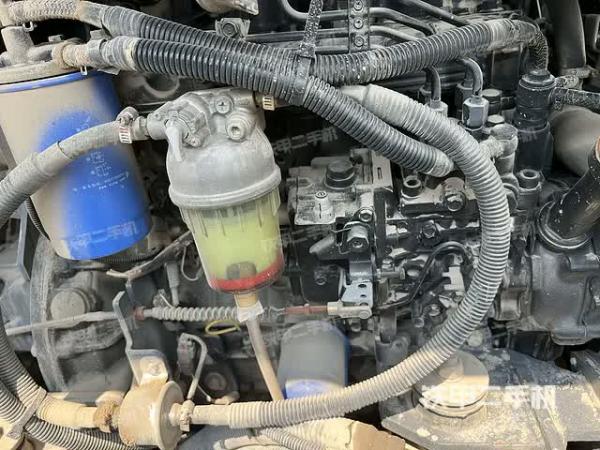
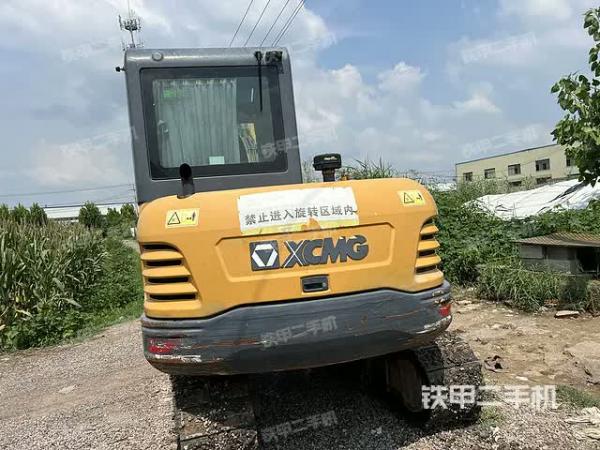
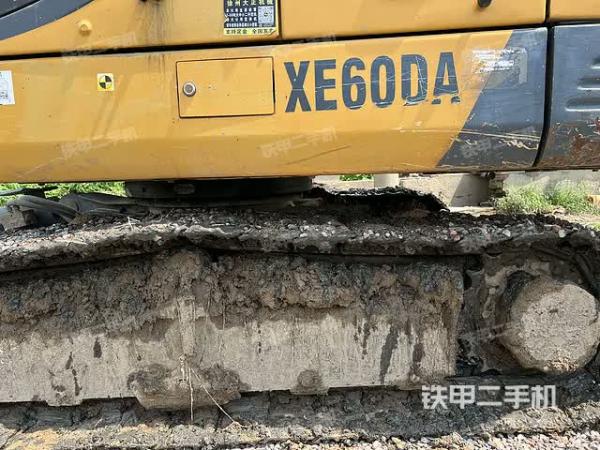
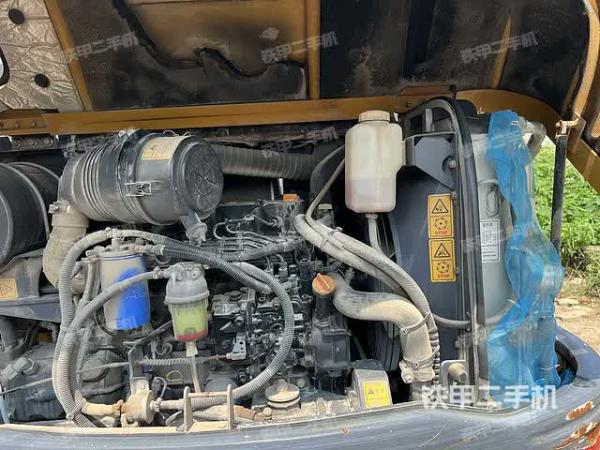
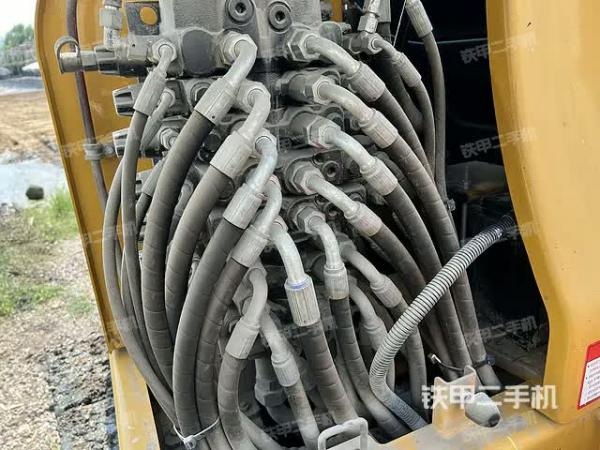
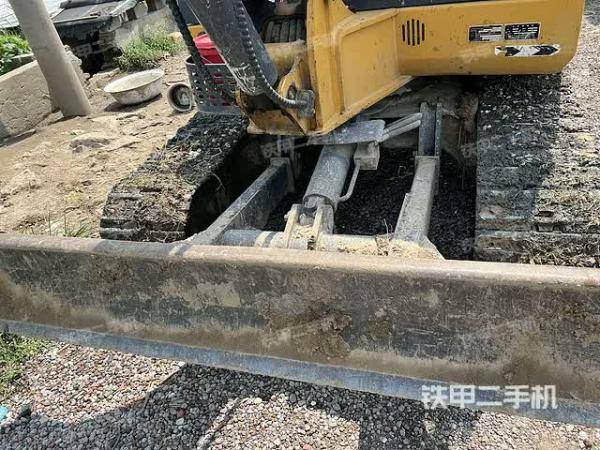
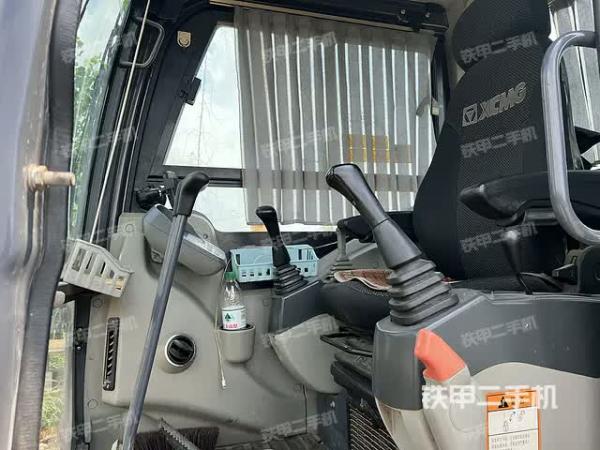
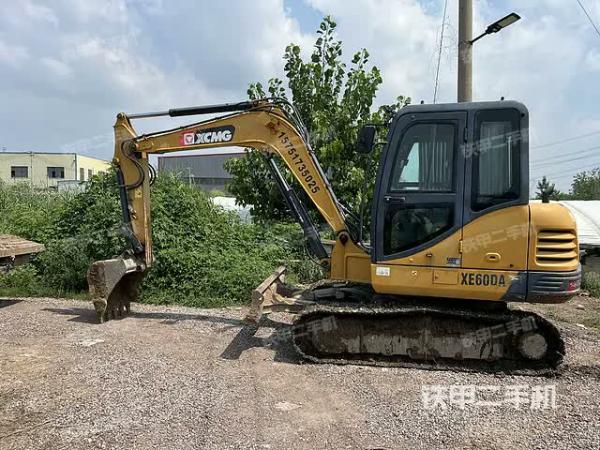
ID:1826013
- Brand: XCMG
- Model: XE60DA
- Year of Manufacture: 2020
- Operating Hours: 6,978 hours
- Location: Jiangsu-Xuzhou
The XE60DA is a compact excavator produced by Xuzhou Construction Machinery Group (XCMG), one of China’s largest and most renowned construction equipment manufacturers. Founded in 1943, XCMG has grown to become a global player with annual equipment sales exceeding tens of thousands of units, covering cranes, excavators, loaders, and other heavy machinery. The XE60DA is part of XCMG’s line of mini excavators designed for urban construction, landscaping, and small-scale infrastructure projects.
Model Specifications and Dimensions
The XE60DA has an operating weight of 6,010 kg and a bucket capacity of 0.23 cubic meters. Its boom measures 3,000 mm and the dipper arm 1,600 mm, providing adequate reach and flexibility for confined worksites. The mini excavator features a backhoe-style bucket, which allows for precise digging in narrow spaces. Transport dimensions include a length of 5,860 mm, width of 1,920 mm, and height of 2,585 mm. Ground clearance is 385 mm, and the counterweight clearance is 700 mm, which ensures stable operation on uneven terrain.
Powertrain and Engine Performance
The XE60DA is powered by the 4TNV94L engine, a four-cylinder, 4-stroke, direct-injection diesel engine. It delivers 36.2 kW at 2,100 rpm and a maximum torque of 207.4 N·m at 1,000 rpm. The engine uses a water-cooling system, which ensures reliable operation even in high-temperature environments. With an advanced hydraulic system, the excavator can handle demanding digging tasks with bucket digging force of 48.3 kN and dipper arm digging force of 32.5 kN. Maximum traction reaches 50.5 kN, making it capable of handling moderate slopes up to 35%.
Performance Metrics
The mini excavator moves at a travel speed of 4.2 km/h in high gear and 2.4 km/h in low gear. Its rotational speed is 10 rpm, providing steady maneuverability. Ground pressure is 32.5 kPa, balancing efficiency and minimal soil disturbance. Maximum digging radius is 6,130 mm, with a maximum digging depth of 3,830 mm and a vertical digging depth of 2,680 mm. The maximum unloading height is 3,945 mm, while the boom can reach up to 5,630 mm in height.
Hydraulic and Fluid Capacities
Fuel capacity is 110 liters, and the hydraulic tank holds 85 liters, ensuring long operating hours without frequent refueling. Engine oil replacement volume is 12 liters, which is standard for mini excavators in this class.
Operational Applications and Recommendations
The XE60DA is ideal for urban construction, small to medium landscaping projects, and utility trenching. Its compact size allows it to work in tight spaces where larger excavators cannot operate. Operators should monitor hydraulic oil and fuel levels regularly, and scheduled engine maintenance ensures longevity. For improved traction on soft or uneven surfaces, track extensions or rubber pads can be considered.
Conclusion
The XCMG XE60DA is a robust and versatile mini excavator that combines efficiency, maneuverability, and power in a compact package. Its reliable diesel engine, precise hydraulic system, and thoughtfully designed dimensions make it a practical choice for contractors who require high performance in small to mid-sized projects. The combination of 6-ton operating weight, 48.3 kN digging force, and 3,830 mm maximum depth provides a balance of power and mobility that is competitive in the global mini excavator market.
|
|
|
|
| 2021 Kubota U-30-5 Excavator Henan-Shangqiu $19,382 |
|
Posted by: MikePhua - 09-03-2025, 12:33 AM - Forum: Used Excavators Trade
- No Replies
|
|
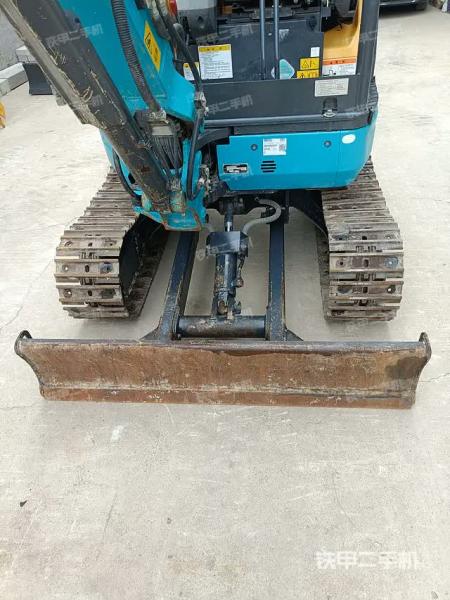
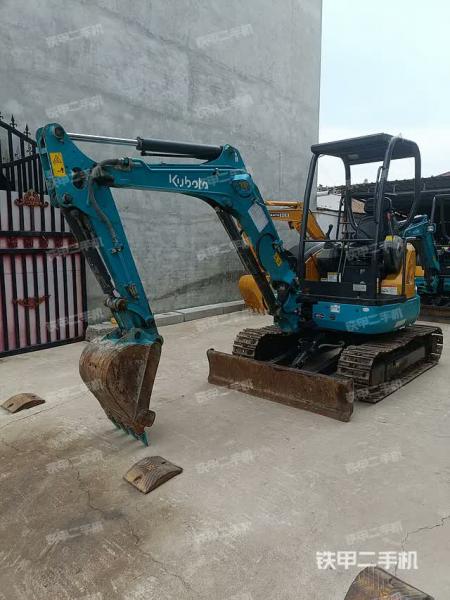
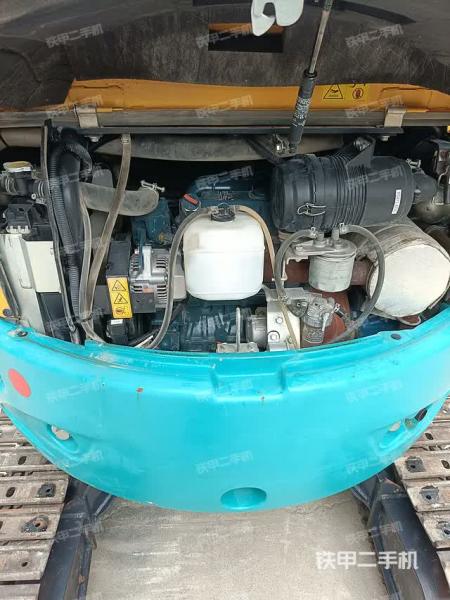
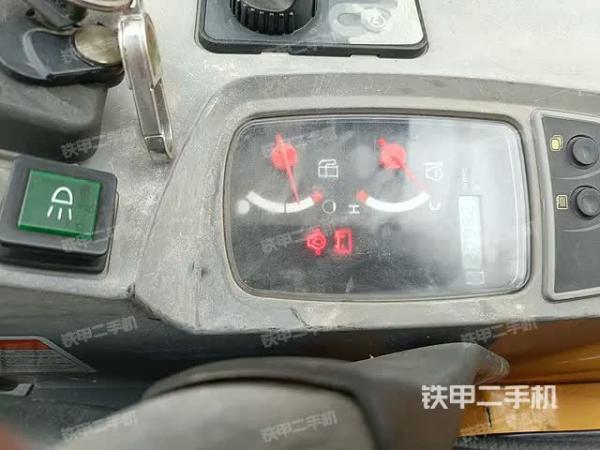
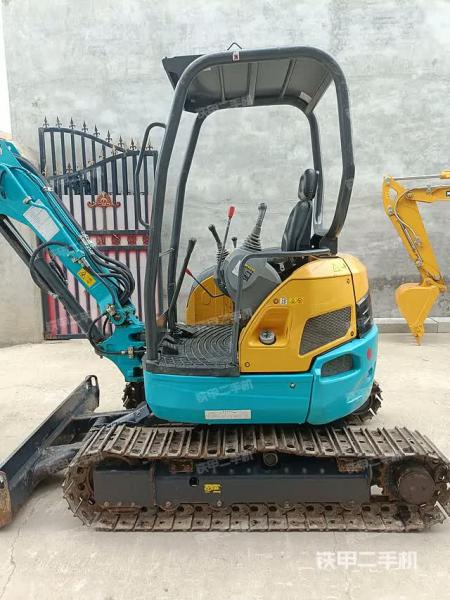
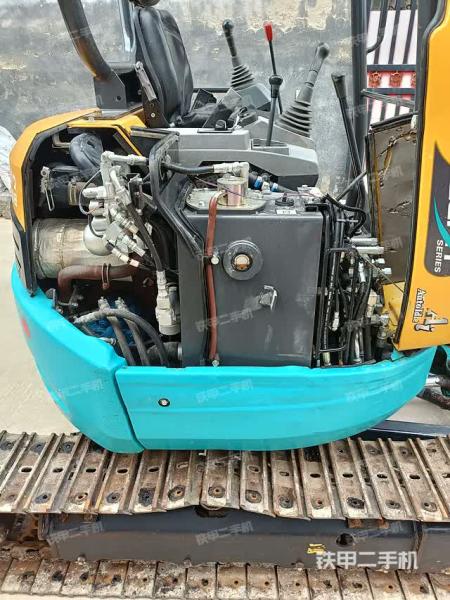
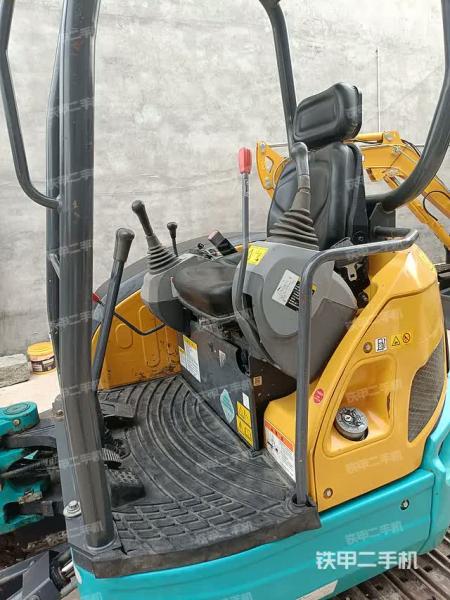
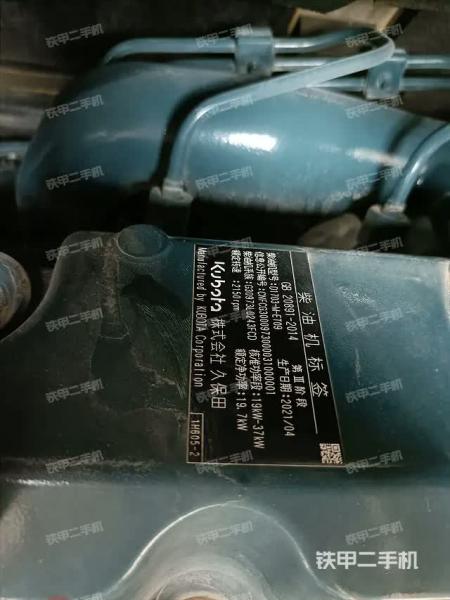
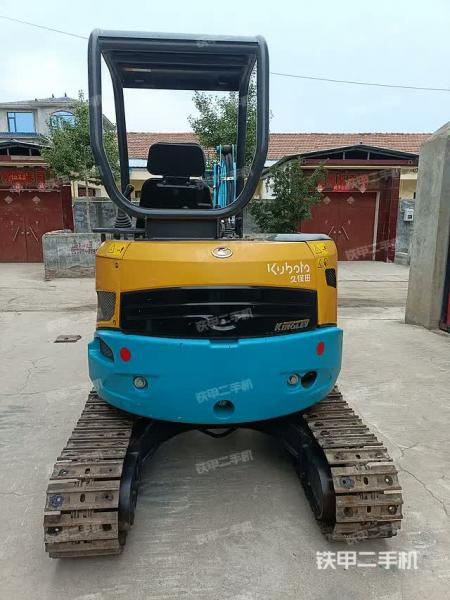
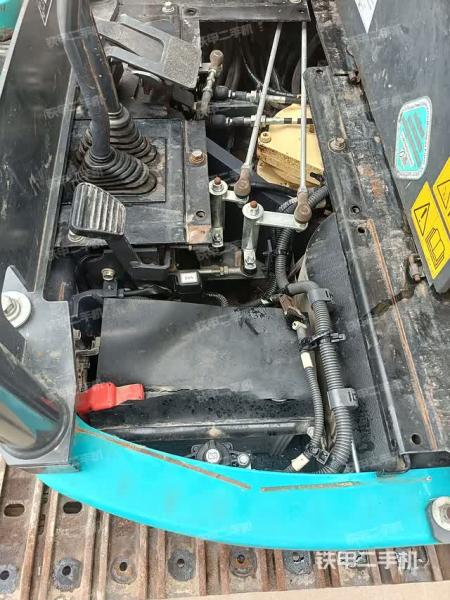
ID:1826002
- Brand: Kubota
- Model: U-30-5
- Year of Manufacture: 2021
- Hours: 2090 hours
- Location: Henan-Shangqiu
The Kubota U-30-5 is a compact and versatile excavator widely recognized for its reliability and efficiency in small- to medium-scale construction projects. Manufactured in 2021, this unit has logged 2,090 operating hours and is currently stationed in Shangqiu, Henan. Kubota, a renowned Japanese brand established in 1890, has a long history of producing durable agricultural and construction machinery. The U-30-5 model is part of Kubota’s series of mini excavators designed to provide excellent maneuverability in confined spaces while maintaining impressive digging power.
Specifications- Operating Weight: 3,375 kg
- Bucket Capacity: 0.09 m³
- Ton Rating: 3 tons
- Bucket Type: Backhoe
- Power Source: Conventional internal combustion engine
- Manufacturer: Joint venture/import
Power System- Rated Power: 20 kW at 2,150 rpm
- Engine efficiency and reliability make it suitable for continuous urban and rural operations.
Performance- Swing Speed: 9.0 rpm
- Bucket Digging Force: 26.5 kN (2,700 kgf)
- This allows for efficient material handling in narrow construction sites and urban excavation projects.
Hydraulic and Fuel Capacities- Fuel Tank: 40 L
- Hydraulic System: 41 L
- The hydraulic system supports precise control of boom, arm, and bucket movements, enhancing operational safety and efficiency.
Dimensions- Transport Length: 4,485 mm
- Transport Width: 1,550 mm
- Front Working Attachment Minimum Turning Radius: 1,950 mm (1,560 mm)
- Rear Swing Radius: 790 mm
- Track Length: 2,100 mm
- Track Gauge: 1,665 mm
- Compact size makes it highly suitable for urban sites or confined workspaces.
Working Range- Maximum Digging Radius: 4,965 mm
- Maximum Digging Depth: 2,880 mm
- Maximum Digging Height: 4,765 mm [4,600 mm] <4,480 mm>
- Maximum Dumping Height: 3,325 mm [3,175 mm] <3,065 mm>
- Maximum Vertical Digging Depth: 2,305 mm
- Dozer Blade Dimensions: 1,550×335 mm
- Boom Offset Left/Right: 600/635 mm
The U-30-5 has proven popular for both municipal construction and light industrial projects due to its balance of power, efficiency, and compact design. It combines ease of maintenance with durable components, reducing long-term operating costs. Operators often highlight its agility in restricted spaces, which makes it ideal for urban excavation and landscaping tasks.
|
|
|
|
| 2021 Kubota U-20-5 Excavator Henan-Shangqiu $19,662 |
|
Posted by: MikePhua - 09-03-2025, 12:28 AM - Forum: Used Excavators Trade
- No Replies
|
|
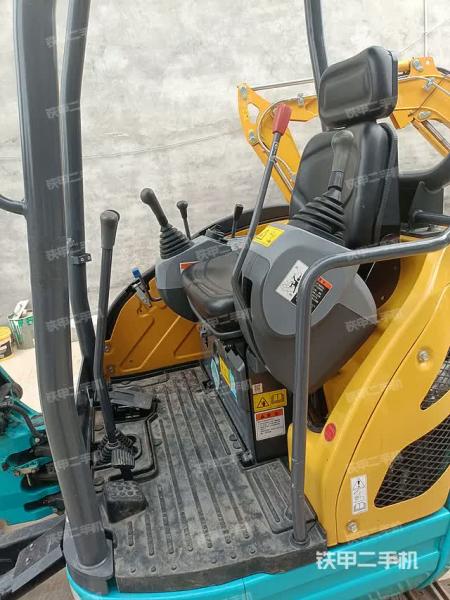
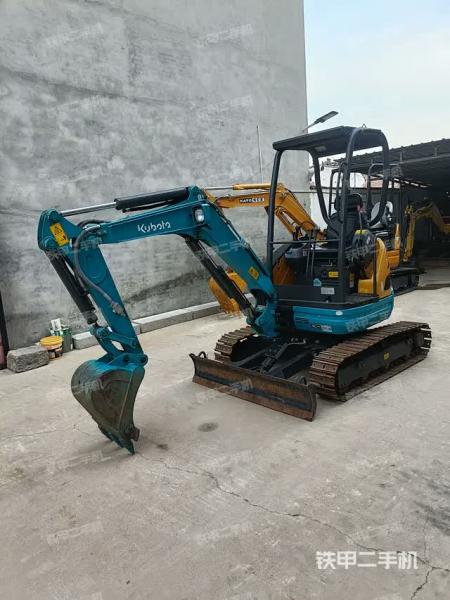
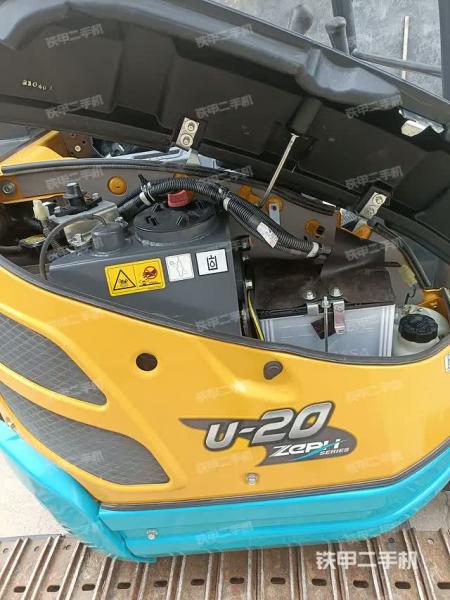
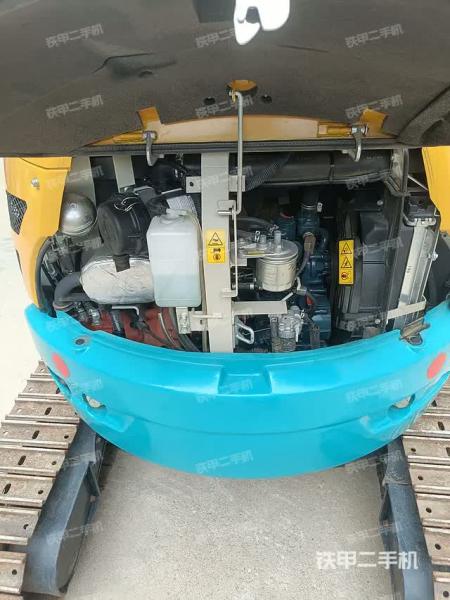
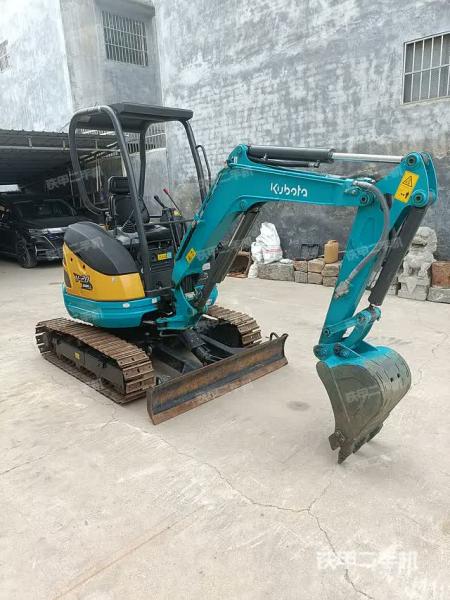
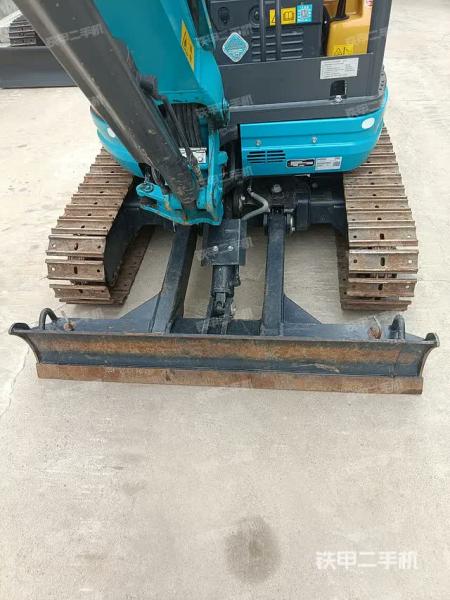
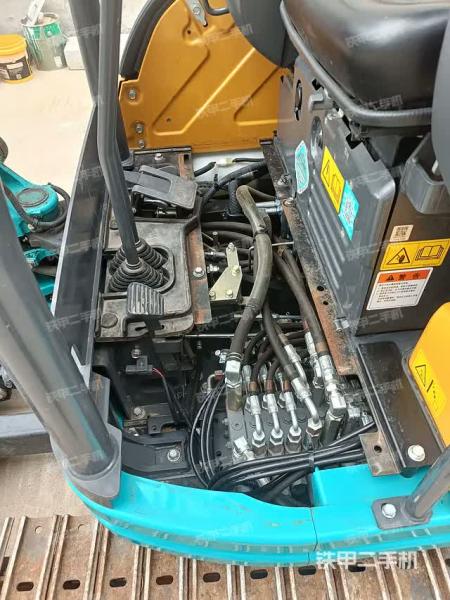
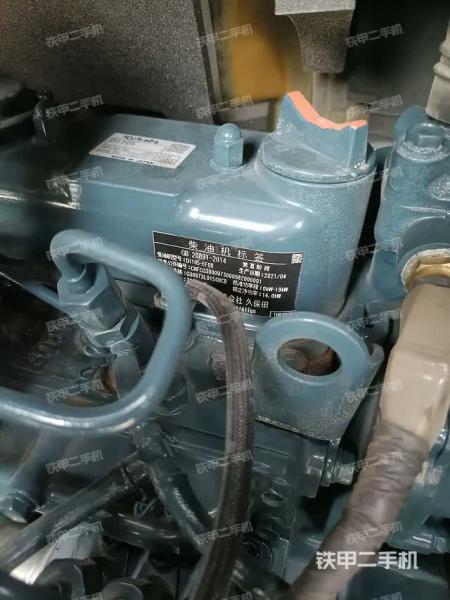
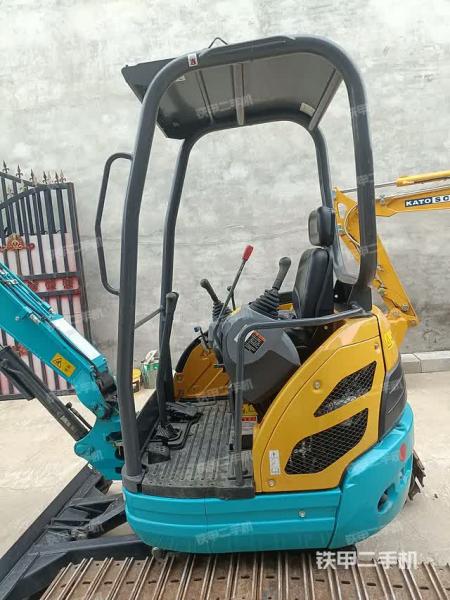
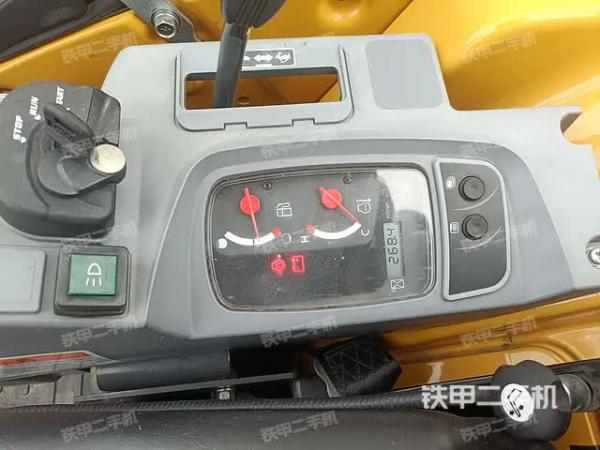
ID:1825996
- Brand: Kubota
- Model: U-20-5
- Year of Manufacture: 2021
- Hours: 260 hours
- Location: Henan-Shangqiu
The Kubota U-20-5 is a 2-ton compact excavator produced in 2021, designed for high efficiency in small-scale construction projects and urban applications. With only 260 operational hours, this particular unit located in Henan-Shangqiu represents a lightly used machine with substantial remaining service life. Kubota has a long history in compact equipment manufacturing, known for combining reliability, advanced hydraulics, and ease of operation.
Specifications- Weight Class: 2 tons
- Operating Weight: 2365 kg
- Bucket Capacity: 0.066 m³
- Bucket Width: 450/400 mm
- Power Type: Traditional diesel engine
- Manufacturer: Joint venture/import
- Bucket Type: Backhoe
Power System- Engine Model: Kubota D1105-E4
- Rated Power: 14 kW at 2200 rpm
- Displacement: 1.123 L
Performance- Swing Speed: 9.6 rpm
- Bucket Digging Force: 18.4 kN
- Travel Speed: 2.1 / 4.0 km/h
Hydraulic System- Swing Hydraulic Motor: Track motor
- Travel Hydraulic Motor: 2-speed piston motor
- Main Pump Type: 2 variable pumps + 1 gear pump
Fluid Capacities
Dimensions- Transport Length: 3850 mm
- Transport Width: 1300 / 1500 mm
- Transport Height: 2380 mm
- Minimum Ground Clearance: 170 mm
- Front Work Tool Minimum Swing Radius: 1850 / 1430 mm
- Rear Swing Radius: 710 mm
- Track Total Length: 1860 mm
- Track Shoe Width: 250 mm
Operational Range- Maximum Digging Radius: 4140 mm
- Maximum Digging Depth: 2320 mm
- Maximum Digging Height: 3880 mm
- Maximum Dumping Height: 2550 mm
- Maximum Vertical Digging Depth: 1900 mm
- Dozer Lift or Push Depth: 340 / 270 mm
- Dozer Blade Width × Height: 1300 / 1500 × 292 mm
The U-20-5 is ideal for confined urban worksites or residential landscaping projects. Its compact dimensions and strong hydraulics allow operators to dig, lift, and load efficiently. The tracked undercarriage ensures stability even in uneven terrain. With a Kubota D1105-E4 engine, this model offers smooth performance and easy maintenance, reflecting Kubota’s commitment to reliability in the mini-excavator segment. Operators often note its low fuel consumption, precise control, and durability under demanding work conditions, making it a preferred choice for contractors and small construction businesses.
|
|
|
|
| 2020 Volvo EC210D Excavator Jiangsu-Yangzhou $26,404 |
|
Posted by: MikePhua - 09-03-2025, 12:23 AM - Forum: Used Excavators Trade
- No Replies
|
|
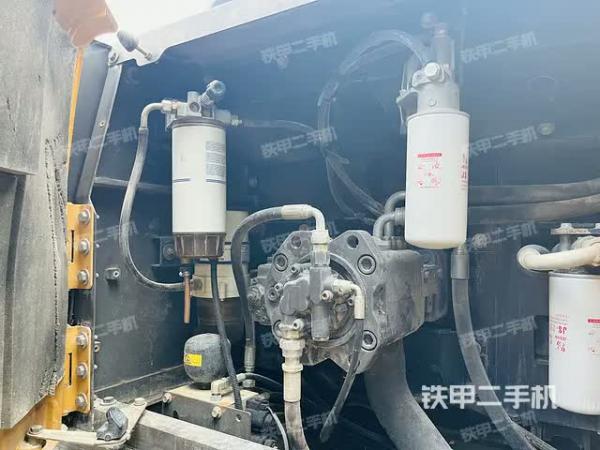
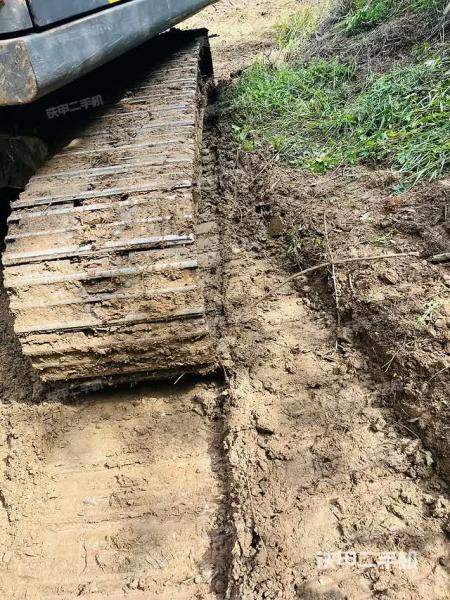
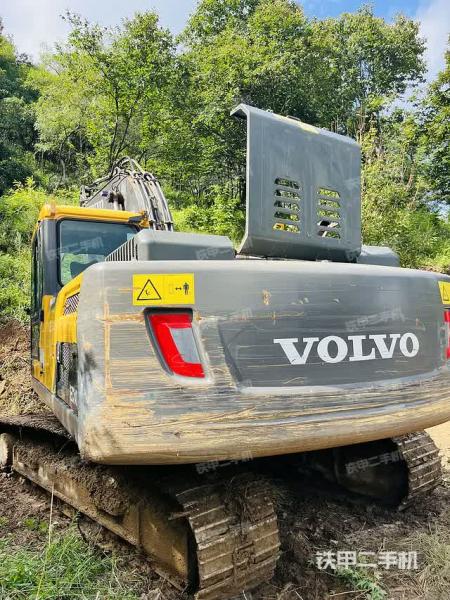
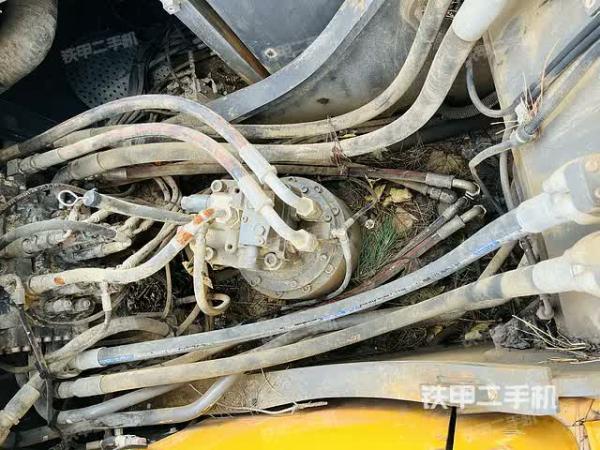
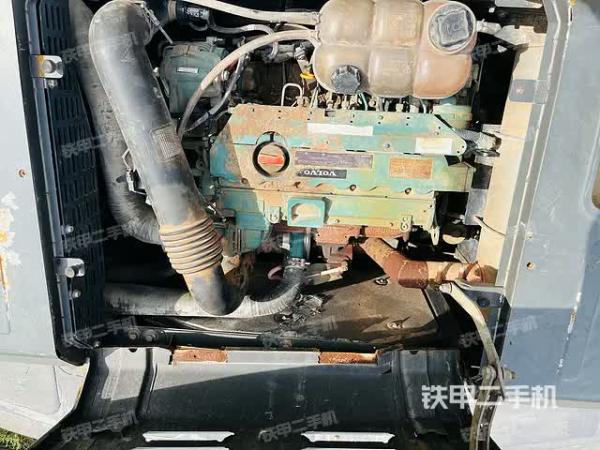
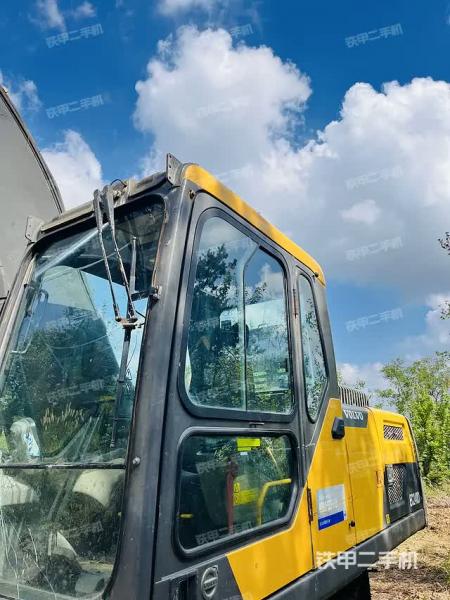
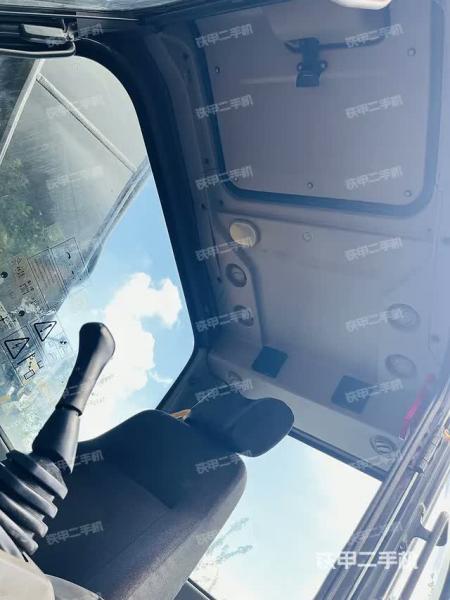
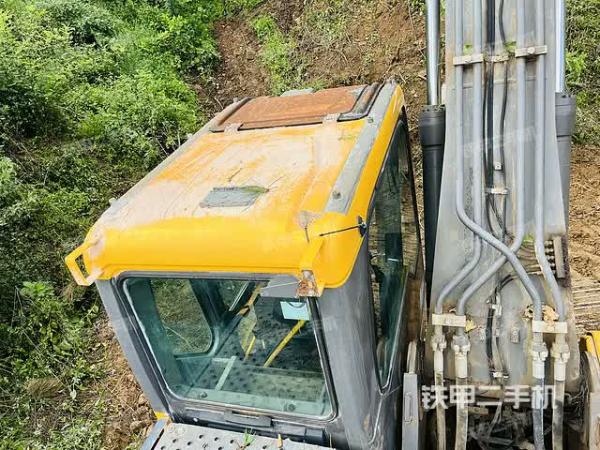
ID:1825983
- Brand: Volvo
- Model: EC210D
- Year of Manufacture: 2020
- Hours: 6800 hours
- Location: Jiangsu-Yangzhou
The Volvo EC210D is a mid-sized hydraulic excavator that combines efficiency, durability, and operator comfort. Produced in 2020 and currently located in Yangzhou, Jiangsu, this machine has logged 6800 working hours. Known for its robust design and reliability, the EC210D is widely used in construction, infrastructure, and earthmoving projects.
Manufacturer Background
Volvo Construction Equipment, founded in Sweden in 1832, has a long history of producing innovative and high-performance construction machinery. The EC series represents Volvo's commitment to fuel efficiency, hydraulic precision, and environmental compliance. By 2020, Volvo had sold thousands of EC210 units globally, making it a trusted model for medium-duty applications.
Specifications- Brand: Volvo
- Model: EC210D
- Year of Manufacture: 2020
- Hours: 6800 hours
- Location: Jiangsu-Yangzhou
- Operating Weight: 18,100 – 22,800 kg
- Bucket Capacity: 0.52 – 1.22 m³
- Boom Length: 5700 mm
- Arm Length: 2900 mm
- Engine Type: Conventional diesel, imported/assembled
- Bucket Type: Backhoe
Power System- Engine Model: Volvo D5E
- Rated Power: 123 kW / 2000 rpm
- Cylinder Bore x Stroke: 108 x 130 mm
- Maximum Torque: 670 N·m / 1600 rpm
- Cylinders: 4
- Displacement: 4.7 L
Performance Metrics- Swing Speed: 12.3 rpm
- Bucket Digging Force: 123 kN
- Arm Digging Force: 96 kN
- Maximum Traction Force: 183 kN
- Travel Speed: 3.5 / 5.8 km/h
- Swing Torque: 76.7 kN·m
Hydraulic System- Main Relief Pressure: 32.4 / 36.3 MPa
- Maximum Pump Flow: 2 x 212 L/min
- Travel Hydraulic Circuit: 34.3 MPa
- Swing Hydraulic Circuit: 27.9 MPa
- Pump Type: Two variable displacement axial piston pumps
- Working Hydraulic Circuit: 32.4 / 34.3 MPa
- Pilot Pressure: 3.9 MPa
- Pilot Pump Flow: 18 L/min
- Cylinders:
- Bucket: 1 x 120 x 1065 mm
- Arm: 1 x 135 x 1540 mm
- Boom: 2 x 125 x 1235 mm
Fluid Capacities- Fuel Tank: 375 L
- Hydraulic Oil Tank: 160 L
- Engine Oil Change Volume: 17 L
- Coolant: 15 L
- Hydraulic System Volume: 300 L
Dimensions- Transport Length: 9745 mm
- Transport Width: 2800 mm
- Transport Height: 3080 mm
- Cab Height: 2930 mm
- Counterweight Ground Clearance: 1025 mm
- Minimum Ground Clearance: 460 mm
- Track Width: 2700 mm
- Track Total Length: 4160 mm
- Track Gauge: 2200 mm
- Track Shoe Width: 600 mm
- Track Contact Length: 3370 mm
- Idler Wheels per Side: 2
- Carrier Rollers per Side: 7
- Track Shoes per Side: 46
Working Range- Maximum Digging Radius: 9930 mm
- Maximum Digging Depth: 6730 mm
- Maximum Digging Height: 9220 mm
- Maximum Dumping Height: 6430 mm
- Maximum Vertical Digging Depth: 5620 mm
- Max Digging Radius at Ground Level: 9380 mm
The Volvo EC210D is praised for its strong digging performance, fuel efficiency, and hydraulic precision, making it ideal for medium-scale construction projects. Its robust frame, high torque engine, and advanced hydraulic system allow operators to complete demanding tasks with efficiency and reliability.
|
|
|
|
| 2011 Komatsu PC360-7 Excavator Fujian-Fuzhou $15,449 |
|
Posted by: MikePhua - 09-03-2025, 12:18 AM - Forum: Used Excavators Trade
- No Replies
|
|
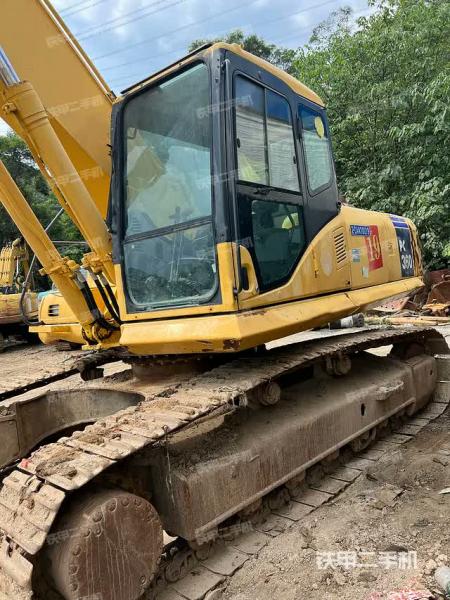
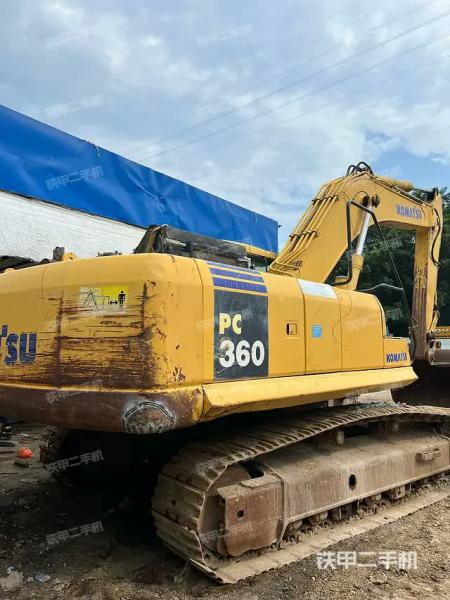
ID:1825982
- Brand: Komatsu
- Model: PC360-7
- Year of Manufacture: 2011
- Hours Used: 10,000 hours
- Location: Fujian-Fuzhou
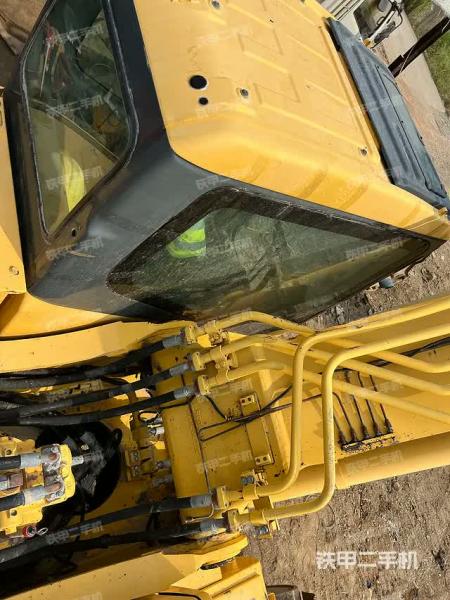
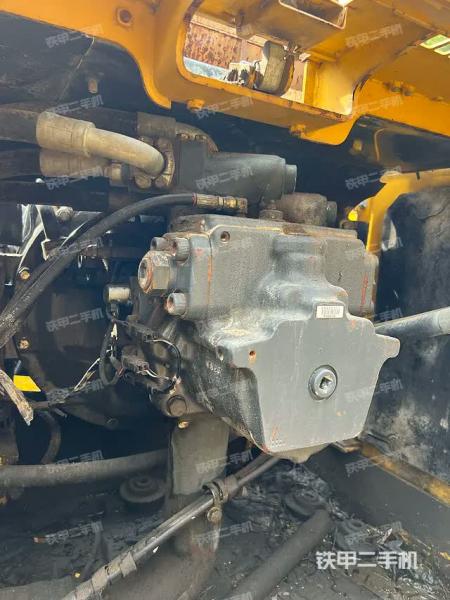
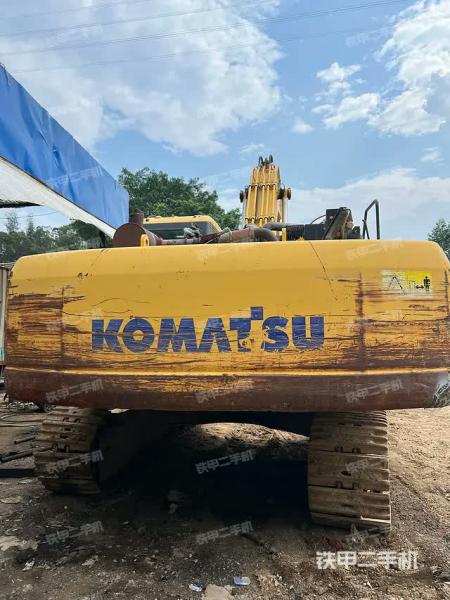
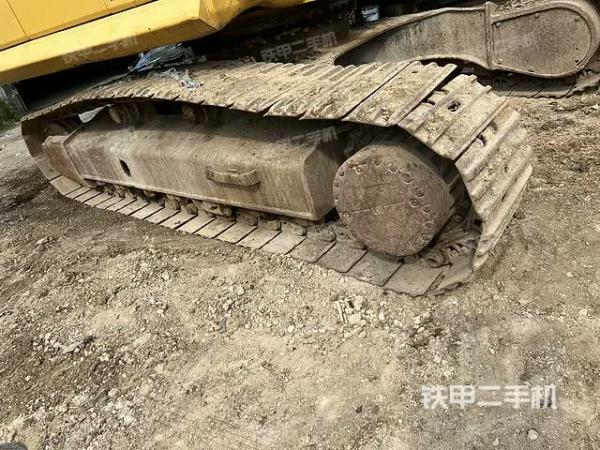
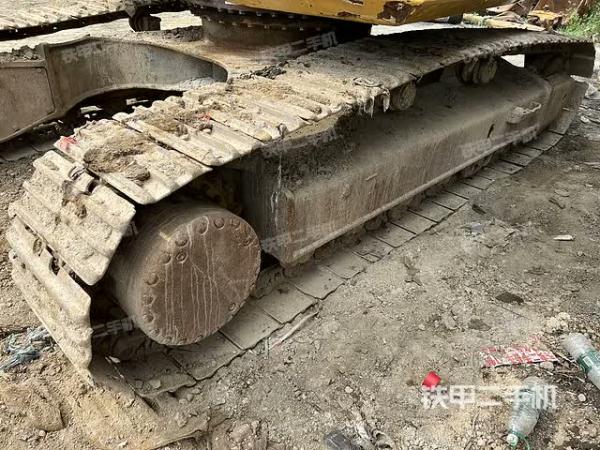
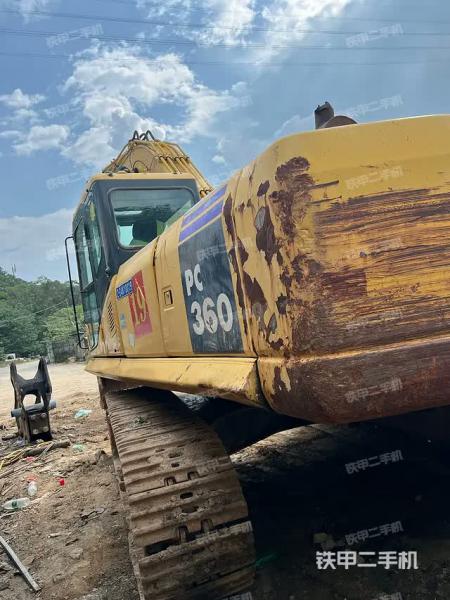
The Komatsu PC360-7 is a powerful mid-sized excavator designed for heavy construction, mining, and infrastructure projects. Manufactured in 2011, this machine has accumulated 10,000 operational hours and is currently located in Fujian-Fuzhou. Komatsu, a Japanese heavy equipment manufacturer founded in 1921, has a long history of producing durable, high-performance machines, and the PC360 series has been one of its most successful models globally, known for reliability and efficiency.
Technical Specifications- Brand: Komatsu
- Model: PC360-7
- Year of Manufacture: 2011
- Operating Hours: 10,000
- Location: Fujian-Fuzhou
Machine Parameters- Operating Weight: 33,000 kg
- Bucket Capacity: 1.6 m³
- Boom Length: 6470 mm
- Arm Length: 3185 mm
- Origin: Jining, Shandong
- Power: Conventional diesel
- Bucket Type: Backhoe
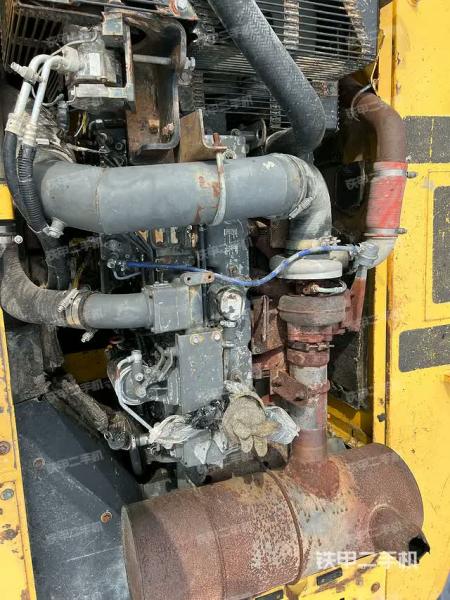
Power System- Engine Model: Komatsu SAA6D114E
- Rated Power: 180 kW at 1900 rpm
- Cooling System: Water-cooled
- Displacement: 8.27 L
- Engine Configuration: 6-cylinder, direct injection, turbocharged, mechanically regulated with full electronic controls
- Cylinder Bore × Stroke: 114 mm × 135 mm
Performance- Ground Pressure: 67.7 KPa
- Slew Speed: 9.5 rpm
- Gradeability: 70% (35°)
- Bucket Digging Force: 227 kN
- Arm Digging Force: 171 kN
- Travel Speed: 3.2 / 4.5 / 5.5 km/h
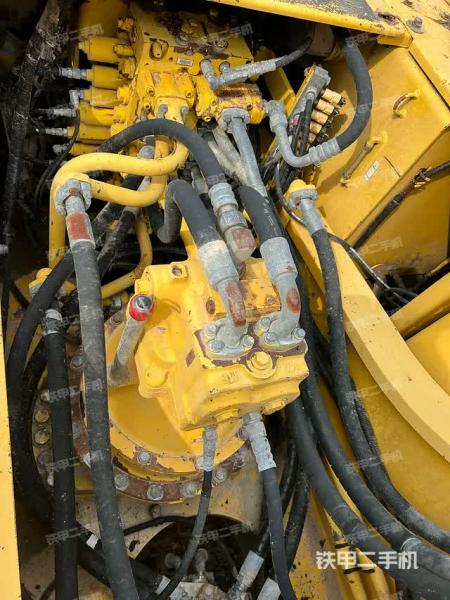
Hydraulic System- Swing Hydraulic Motor: Axial piston ×1
- Travel Hydraulic Motor: Axial piston ×2
- Main Pump Maximum Flow: 535 L/min
- Travel Circuit Pressure: 37.3 MPa
- Swing Circuit Pressure: 27.9 MPa
- Control Circuit Pressure: 3.2 MPa
- Hydraulic Breaker Line: Not standard
- Cylinder Specifications: Boom 140×1480×100 mm, Arm 160×1825×110 mm, Bucket 150×1285×110 mm
Fluid Capacities- Fuel Tank: 605 L
- Hydraulic Tank: 188 L
- Engine Oil: 35 L
- Coolant: 32 L
Dimensions- Transport Length: 11,140 mm
- Transport Width: 3190 mm
- Transport Height: 3280 mm
- Cab Height: 3130 mm
- Counterweight Clearance: 1185 mm
- Minimum Ground Clearance: 500 mm
- Rear Swing Radius: 3450 mm
- Track Length: 4625 mm
- Track Gauge: 2590 mm
- Track Shoe Width: 600 mm
- Overall Track Width: 3190 mm
- Track Ground Contact Length: 3700 mm
Operational Range- Maximum Digging Radius: 11,100 mm
- Maximum Digging Depth: 7380 mm
- Maximum Digging Height: 10,210 mm
- Maximum Dumping Height: 7110 mm
- Maximum Vertical Digging Depth: 6480 mm
- Maximum Effective Digging Depth: 7180 mm
- Blade Lift or Push Depth: Not applicable
- Max Digging Radius on Ground Level: 10,920 mm
This excavator is ideal for large-scale earthmoving projects, trenching, and foundation work. Its high hydraulic efficiency, durable Komatsu engine, and strong digging forces make it suitable for continuous heavy-duty operations, ensuring long-term productivity. Operators often report that the PC360-7 provides excellent stability even on challenging terrains, thanks to its optimal track width and low center of gravity.
|
|
|
|
|



