| Welcome, Guest |
You have to register before you can post on our site.
|
| Online Users |
There are currently 93 online users.
» 0 Member(s) | 82 Guest(s)
Ahrefs, Amazon, Bing, Bytespider, Claude, DotBot, Google, OpenAI, Petalbot, Semrush, Sogou
|
| Latest Threads |
Identifying and Sourcing ...
Forum: Parts , Attachments & Tools
Last Post: MikePhua
01-07-2026, 06:29 PM
» Replies: 0
» Views: 348
|
Cat 931B Brake Parts
Forum: Parts , Attachments & Tools
Last Post: MikePhua
01-07-2026, 06:29 PM
» Replies: 0
» Views: 249
|
Choosing Between Cat 228,...
Forum: General Discussion
Last Post: MikePhua
01-07-2026, 06:28 PM
» Replies: 0
» Views: 366
|
Fix It or Part It Out
Forum: General Discussion
Last Post: MikePhua
01-07-2026, 06:27 PM
» Replies: 0
» Views: 320
|
Hydraulic Delay When Lowe...
Forum: Troubleshooting & Diagnosing
Last Post: MikePhua
01-07-2026, 06:27 PM
» Replies: 0
» Views: 380
|
Bale Chopper and Mulcher ...
Forum: General Discussion
Last Post: MikePhua
01-07-2026, 06:26 PM
» Replies: 0
» Views: 275
|
Mini UC Maintenance
Forum: General Discussion
Last Post: MikePhua
01-07-2026, 06:25 PM
» Replies: 0
» Views: 264
|
Locating Wiring Informati...
Forum: General Discussion
Last Post: MikePhua
01-07-2026, 06:24 PM
» Replies: 0
» Views: 300
|
Case Industrial Brown Sub...
Forum: Parts , Attachments & Tools
Last Post: MikePhua
01-07-2026, 06:23 PM
» Replies: 0
» Views: 246
|
Dirt Work in West Virgini...
Forum: Construction & Urban Infrastructure Forum
Last Post: MikePhua
01-07-2026, 06:23 PM
» Replies: 0
» Views: 322
|
|
|
| Troubleshooting Nibbler Malfunctions on the Kobelco SK80 Excavator |
|
Posted by: MikePhua - 09-12-2025, 09:35 PM - Forum: Troubleshooting & Diagnosing
- No Replies
|
 |
The Kobelco SK80 and Its Hydraulic Attachment Ecosystem
The Kobelco SK80 excavator is part of Kobelco’s compact-medium class lineup, designed for urban construction, utility trenching, and precision demolition. With an operating weight around 8 metric tons and a fuel-efficient Tier III engine, the SK80 balances power and maneuverability. Kobelco, a Japanese manufacturer with roots dating back to 1930, has built a reputation for hydraulic refinement and attachment versatility. The SK80 is often paired with specialized tools such as hydraulic breakers, grapples, and nibblers—attachments used for selective demolition and material processing.
A nibbler, in this context, refers to a hydraulic shear or crusher mounted on the bucket linkage, designed to bite through concrete, steel, or timber. It operates via auxiliary hydraulic flow, typically controlled through a selector valve and monitored via the operator’s display panel.
Symptoms of a Non-Responsive Nibbler
When a nibbler fails to open or close, despite the excavator functioning normally, the issue is almost always hydraulic or electrical in nature. Common symptoms include: - No movement in the nibbler jaws
- Audible hydraulic flow when activated, but no response
- No error codes or alerts on the monitor
- Other attachments functioning correctly
This points to a localized fault—either in the selector valve, auxiliary circuit, or control logic.
Selector Valve Configuration and Attachment Switching
The SK80 features a hydraulic selector valve system that allows the operator to switch between different auxiliary modes—typically breaker and nibbler. These modes adjust flow rate, pressure, and control logic to suit the attachment.
The selector valve is often located in a side compartment near the fuel tank. If the valve is set to “breaker” mode, the nibbler may not receive the correct flow or control signals. Switching to “nibbler” mode restores compatibility.
Terminology annotation:- Selector Valve: A hydraulic diverter that routes flow to different attachment circuits
- Auxiliary Circuit: The hydraulic lines and controls dedicated to non-standard attachments
- Monitor: The in-cab display panel that shows system status and allows mode selection
Operators should verify the selector valve position manually, as it may reset during shutdown or battery disconnection. Some models default to breaker mode upon restart, requiring manual re-selection.
Shut-Off Valves and Hydraulic Isolation
Another potential culprit is the shut-off valve in the auxiliary line. These valves isolate flow for maintenance or transport. If left closed, the nibbler will not receive hydraulic pressure, even if the control system is functioning.
Before troubleshooting further, confirm:- Shut-off valves are fully open
- Quick couplers are seated and locked
- Hoses are free of kinks or damage
- Hydraulic fluid level is within spec
In one case, a road mechanic discovered that a shut-off valve had been partially closed during transport, causing intermittent nibbler failure. Reopening the valve restored full function.
Monitor Settings and Control Logic
The SK80’s monitor panel allows the operator to select attachment modes and view system status. If the monitor is not set to “nibbler,” the control logic may not activate the correct solenoids or flow paths.
Some models require the operator to:- Navigate to the attachment settings menu
- Select “nibbler” or “crusher” mode
- Confirm the selection with a soft key or toggle
- Restart the machine to apply changes
If the monitor resets to default upon shutdown, the operator must reselect the mode each time. This behavior can be modified in newer firmware versions, but older machines may require manual intervention.
Electrical Solenoids and Signal Integrity
Hydraulic flow is often controlled by solenoid valves—electrically actuated devices that open or close based on input signals. If the solenoid controlling the nibbler circuit fails, the attachment will not respond.
Diagnostic steps include:- Checking fuse integrity for the auxiliary circuit
- Testing voltage at the solenoid connector
- Listening for audible clicks when activating the control
- Inspecting wiring harnesses for damage or corrosion
A faulty solenoid may show continuity but fail under load. Replacing the solenoid or swapping it with a known-good unit can confirm the diagnosis.
Field Anecdotes and Practical Solutions
One operator in Arizona reported that his SK80’s nibbler stopped working after a routine shutdown. Upon restart, the monitor had defaulted to breaker mode, and the selector valve remained unchanged. After switching the valve manually and reselecting “nibbler” on the monitor, the attachment resumed normal operation.
Another technician in New Jersey noted that a partially closed shut-off valve caused a similar issue. The valve had been closed during transport and never reopened. Once corrected, the nibbler functioned flawlessly.
These cases highlight the importance of checking both mechanical and electronic systems when diagnosing attachment failures.
Preventative Measures and Long-Term Recommendations
To avoid future nibbler malfunctions:- Label selector valves clearly for operator reference
- Train operators to verify monitor settings during startup
- Inspect shut-off valves during daily checks
- Use dielectric grease on solenoid connectors to prevent corrosion
- Log attachment mode changes in the operator’s checklist
Installing a reminder decal near the monitor or selector valve can reduce oversight and improve uptime.
Conclusion
When a nibbler fails to operate on a Kobelco SK80, the root cause is often a simple oversight—selector valve position, monitor settings, or shut-off valve status. By understanding the interplay between hydraulic flow, control logic, and operator input, technicians can resolve the issue efficiently. With proper training and preventative checks, the SK80 remains a versatile and reliable platform for demolition and material processing tasks.
|

|
|
| Understanding the Hydraulic System of the Terex TC54H Tool Carrier |
|
Posted by: MikePhua - 09-12-2025, 09:35 PM - Forum: Parts , Attachments & Tools
- No Replies
|
|
Introduction
The Terex TC54H Tool Carrier is a versatile machine designed for various applications, including material handling and construction tasks. Central to its functionality is the hydraulic system, which powers the machine's movements and attachments. Understanding the hydraulic schematic of the TC54H is essential for maintenance, troubleshooting, and efficient operation.
Hydraulic System Overview
The TC54H's hydraulic system is designed to provide the necessary force for lifting, tilting, and operating various attachments. It consists of several key components: - Hydraulic Pump: Typically a piston-type pump, it generates the flow of hydraulic fluid required to power the system.
- Control Valves: These valves direct the flow of hydraulic fluid to different parts of the system, allowing the operator to control the movement of the machine and attachments.
- Hydraulic Cylinders: Actuators that convert hydraulic energy into mechanical force, enabling movements such as lifting or tilting.
- Hydraulic Reservoir: Stores the hydraulic fluid and allows for its cooling and filtration.
- Filters: Remove contaminants from the hydraulic fluid, ensuring the longevity and efficiency of the system.
Hydraulic Schematic Diagram
The hydraulic schematic diagram is a crucial tool for understanding the layout and operation of the hydraulic system. It provides a visual representation of the components and their interconnections. While the specific schematic for the TC54H is proprietary, similar models like the John Deere 444H and 544H loaders, as well as the TC44H and TC54H tool carriers, share similar hydraulic systems.
Key Features of the Hydraulic Schematic- Component Identification: Each component is represented by standardized symbols, making it easier to identify and understand their functions.
- Flow Paths: Arrows indicate the direction of hydraulic fluid flow, helping to trace the path from the pump to the actuators.
- Pressure Settings: Relief valves and pressure settings are marked to ensure the system operates within safe limits.
- Control Logic: The schematic illustrates how control valves manage the distribution of hydraulic fluid to various parts of the system.
Maintenance Tips
Regular maintenance of the hydraulic system is essential for optimal performance and longevity:- Check Hydraulic Fluid Levels: Ensure the reservoir is filled to the recommended level with the appropriate type of hydraulic fluid.
- Inspect for Leaks: Regularly check hoses, fittings, and cylinders for signs of leaks, which can lead to loss of pressure and fluid.
- Replace Filters: Change hydraulic filters at recommended intervals to prevent contamination and maintain fluid cleanliness.
- Monitor Pressure Settings: Verify that relief valves are set to the correct pressure to prevent system overloads.
Troubleshooting Common Hydraulic Issues
Operators may encounter various hydraulic issues during the operation of the TC54H:- Slow or Unresponsive Movements: This could indicate low hydraulic fluid levels, air in the system, or a malfunctioning pump.
- Uneven Movement: Uneven operation of cylinders may be caused by internal leakage or worn seals.
- Overheating: Excessive heat can result from overloading, inadequate cooling, or contaminated fluid.
Conclusion
Understanding the hydraulic schematic of the Terex TC54H Tool Carrier is vital for effective operation and maintenance. By familiarizing oneself with the system's components and functions, operators can ensure the machine performs efficiently and reliably. Regular maintenance and prompt attention to issues will extend the life of the hydraulic system and the machine as a whole.
|
|
|
|
| Dump Truck Maximum Productivity |
|
Posted by: MikePhua - 09-12-2025, 09:34 PM - Forum: General Discussion
- No Replies
|
|
Introduction
The dump truck has long been a cornerstone of the construction and mining industries, with its ability to transport large quantities of material quickly and efficiently. Modern dump trucks are designed not just for hauling, but to maximize productivity through engineering, technology, and operational practices. The evolution of these trucks, from early 20th-century models with simple steel beds to today’s high-capacity, computerized machines, reflects the growing demand for speed, efficiency, and safety in large-scale operations. Companies like Caterpillar, Volvo, Komatsu, and Liebherr have each contributed to advances in engine performance, suspension systems, and payload management.
Types of Dump Trucks
- Rigid Frame Dump Trucks
- Primarily used in quarries and large construction sites.
- High payload capacity, often ranging from 30 to 400 tons depending on model.
- Examples include:
- Caterpillar 797F: 400-ton capacity, 4,000 hp engine, designed for mining operations.
- Volvo A60H: 55-ton payload, integrated hydrostatic drive, optimized for fuel efficiency.
- Articulated Dump Trucks (ADT)
- Features a pivot joint between cab and dump bed for improved maneuverability.
- Ideal for rough terrain and uneven construction sites.
- Examples include:
- Volvo A40G: 40-ton payload, full-time all-wheel drive, automatic traction control.
- Komatsu HM400: 40-ton payload, load-sensing hydraulic system, high stability on slopes.
- Off-Highway Mining Trucks
- Massive machines built for continuous operation in mining conditions.
- Often diesel-electric or dual-engine powered to manage heavy payloads efficiently.
- Safety and reliability are critical due to the scale and cost of operation.
Factors Affecting Productivity- Payload Optimization: Maintaining full loads without exceeding the truck’s rated capacity increases efficiency while minimizing wear.
- Cycle Time Reduction: Shortening loading, travel, and dumping cycles directly improves productivity. Equipment such as high-speed shovels and loaders are coordinated with truck capacity for maximum throughput.
- Route Planning: Efficient site layout, grading, and designated haul paths prevent bottlenecks and reduce fuel consumption.
- Operator Skill: Training operators to optimize acceleration, braking, and gear selection reduces unnecessary wear and improves cycle speed.
- Maintenance and Monitoring: Proactive maintenance programs and onboard telematics systems monitor engine performance, tire wear, and hydraulic pressures to avoid downtime.
Technological Enhancements- Telematics and Fleet Management: GPS tracking, fuel consumption monitoring, and payload sensors allow managers to optimize routes and assignments in real time.
- Automated Dumping Systems: Hydraulic controls and tipping sensors ensure faster unloading and minimize spillage.
- Fuel Efficiency Systems: Advanced engines with automatic idle shutdown and hybrid drives reduce operating costs while maintaining productivity.
- Suspension and Tire Innovations: Adaptive suspension systems and wide-profile tires improve stability, reduce vibration, and allow higher speeds on uneven terrain.
Operational Strategies- Load Matching: Pairing trucks with appropriate loaders or excavators prevents underloading or overloading.
- Shift Scheduling: Rotating drivers and machines during peak hours ensures continuous operation without fatigue-induced delays.
- Surface Maintenance: Regular grading of haul roads minimizes wear, increases speed, and enhances safety.
- Weather Adaptation: Wet or icy conditions require slower cycles; planning for these conditions prevents delays and accidents.
Conclusion
Maximizing dump truck productivity requires a combination of the right equipment, technological integration, operator expertise, and strategic planning. Modern dump trucks are no longer just haulers; they are sophisticated machines capable of delivering high efficiency under demanding conditions. By leveraging advancements in engineering, telematics, and operational management, construction and mining operations can significantly improve throughput, reduce costs, and maintain safety standards. Investing in the right combination of rigid, articulated, and off-highway trucks tailored to site conditions ensures that productivity reaches its maximum potential.
|
|
|
|
| Understanding the Hydraulic System of the Hitachi EX120-5 Excavator |
|
Posted by: MikePhua - 09-12-2025, 09:34 PM - Forum: Parts , Attachments & Tools
- No Replies
|
|
Introduction
The Hitachi EX120-5 hydraulic excavator is a versatile and reliable machine widely used in construction and excavation projects. Central to its performance is the hydraulic system, which powers various functions such as boom lifting, arm extension, bucket operation, and swing movements. A crucial component of this system is the hydraulic pump, specifically the HPV050FW model, which ensures the efficient transfer of hydraulic fluid to the necessary actuators.
Hydraulic Pump Overview
The HPV050FW hydraulic pump is a variable displacement axial piston pump designed to provide high-pressure fluid flow to the excavator's hydraulic circuits. Its primary function is to convert mechanical energy from the engine into hydraulic energy, enabling the machine's various movements. This pump is known for its durability and efficiency, making it a vital part of the EX120-5's hydraulic system.
Additional Components Adjacent to the Hydraulic Pump
Beside the main hydraulic pump, several other components are integral to the hydraulic system's operation: - Pilot Pump: A smaller pump that provides low-pressure fluid to control valves, enabling operator inputs to be translated into machine movements.
- Hydraulic Oil Cooler: Maintains the temperature of the hydraulic fluid within optimal ranges to prevent overheating and ensure consistent performance.
- Hydraulic Oil Filter: Removes contaminants from the hydraulic fluid, protecting the pump and other components from wear and damage.
- Accumulator: Stores hydraulic energy for use during peak demand times, ensuring smooth operation and reducing pressure fluctuations.
Maintenance and Troubleshooting
Regular maintenance is essential to keep the hydraulic system functioning optimally:- Hydraulic Fluid Checks: Regularly inspect and replace hydraulic fluid to ensure proper lubrication and cooling.
- Filter Replacements: Change filters at recommended intervals to prevent contamination and ensure efficient fluid flow.
- System Inspections: Periodically check for leaks, unusual noises, or performance issues that could indicate problems within the hydraulic system.
Addressing issues promptly can prevent costly repairs and downtime.
Conclusion
The hydraulic system of the Hitachi EX120-5 excavator, including the HPV050FW hydraulic pump and its associated components, plays a pivotal role in the machine's performance. Understanding these components and their functions can aid in effective maintenance and troubleshooting, ensuring the longevity and reliability of the excavator.
|
|
|
|
| Rebuilding the Steering Cylinder on a John Deere 310D Backhoe |
|
Posted by: MikePhua - 09-12-2025, 09:33 PM - Forum: Troubleshooting & Diagnosing
- No Replies
|
|
The JD 310D and Its Mechanical Legacy
The John Deere 310D backhoe loader, introduced in the early 1990s, was part of Deere’s highly successful 300-series lineup. Known for its reliability, hydraulic strength, and ease of service, the 310D featured a four-cylinder diesel engine, four-speed transmission, and robust hydraulic systems for both loader and backhoe functions. With thousands of units sold across North America, the 310D became a staple in municipal fleets, construction sites, and agricultural operations.
One of the more nuanced components of the 310D is its steering system, which relies on hydraulic cylinders to actuate the front wheels. Over time, these cylinders wear internally, leading to leaks, loss of steering precision, and eventual failure. Rebuilding the steering cylinder is a common maintenance task, but sourcing the correct seal kit and understanding the assembly nuances are critical to success.
Identifying the Correct Seal Kit
The first challenge in rebuilding the steering cylinder is identifying the correct seal kit. Deere’s parts catalog lists multiple cylinder variants depending on serial number, drive configuration (2WD vs. 4WD), and production year. For a 1995 model with serial number TO310DA813849, the correct seal kits are typically: - AH167552 for the bore seals
- RE21875 for the rod seals
These kits correspond to the cylinder variant used in 2WD configurations. Ordering the wrong kit—such as RE18749—can result in mismatched seals and wasted time. Technicians are advised to disassemble the cylinder first and match internal components visually or by part number before ordering.
Terminology Annotation- Bore Seal: Seals that prevent fluid leakage between the cylinder barrel and the piston
- Rod Seal: Seals that prevent fluid from escaping around the moving rod
- Gland: The end cap of the cylinder that houses the rod seals and guides the rod
- Snap Ring: A retaining ring that holds the gland in place within the cylinder barrel
Disassembly and the Role of the Orange Filler Ring
During disassembly, technicians may encounter an orange chamfered ring inside the gland. This ring, often mistaken for a sealing component, is actually a filler used to bridge the retaining groove during seal removal. Its teardrop-shaped cross-section allows seals to pass over the groove without damage.
Importantly, this filler ring should not be reinstalled during assembly. If left in place, it can interfere with the snap ring seating, potentially allowing the gland to eject under pressure—resulting in sudden loss of steering and hydraulic fluid. One operator discovered this the hard way, noting that the snap ring sat 1/16" shy of its groove until hydraulic pressure was applied. This workaround is risky and should be avoided.
Assembly Tips and Pressure Seating
After installing the new seals, the gland must be carefully reinserted into the cylinder barrel. If the snap ring does not seat fully, technicians may be tempted to use hydraulic pressure to push the gland outward. While this can work in some cases, it’s safer to:- Lubricate the seals and gland with hydraulic fluid
- Use a soft mallet to gently tap the gland into position
- Ensure the snap ring groove is clean and free of debris
- Confirm the snap ring is fully seated before pressurizing the system
Failure to seat the snap ring properly can result in catastrophic failure under load.
Common Seal Failures and Material Observations
When disassembled, the original seals in the gland may appear deteriorated or missing. Fibrous packing material may be the only remnant of the original seal, and o-rings may be absent entirely. This leads to confusion during reassembly, especially if the technician waits days or weeks between teardown and rebuild.
To avoid guesswork:- Photograph the cylinder components during disassembly
- Label each seal groove and note the seal type
- Compare old seals to new ones before installation
Some glands feature a chamfered groove that appears to require a seal, but may not. If unsure, consult the parts diagram or a hydraulic specialist.
Field Anecdotes and Practical Advice
One technician shared that after rebuilding his 310D’s steering cylinder, he noticed no leaks but remained cautious about the orange filler ring. After learning it was only for disassembly, he removed it and reseated the gland properly. Another operator noted that his local Deere dealer was unable to identify the correct kit, prompting him to use online resources and match parts manually.
These stories highlight the importance of hands-on inspection and independent verification. Relying solely on dealer recommendations can lead to incorrect parts and delays.
Preventative Measures and Long-Term Maintenance
To extend the life of the steering cylinder:- Replace seals every 2,000 hours or when leaks appear
- Use OEM-grade hydraulic fluid and filters
- Inspect rod surfaces for scoring or pitting
- Keep the cylinder clean and free of debris
- Avoid oversteering under load, which stresses the seals
Installing a protective boot over the rod can reduce contamination and seal wear, especially in muddy or abrasive environments.
Conclusion
Rebuilding the steering cylinder on a John Deere 310D requires attention to detail, correct part identification, and an understanding of hydraulic assembly principles. By avoiding common pitfalls—such as reinstalling the orange filler ring—and verifying seal placement, operators can restore precise steering and prevent future failures. With proper technique and preventative care, the 310D remains a dependable workhorse in the field, ready to tackle the next trench, load, or lift with confidence.
|
|
|
|
| Grape Harvesting Machines: Essential Tools for Modern Vineyards |
|
Posted by: MikePhua - 09-12-2025, 09:33 PM - Forum: General Discussion
- No Replies
|
|
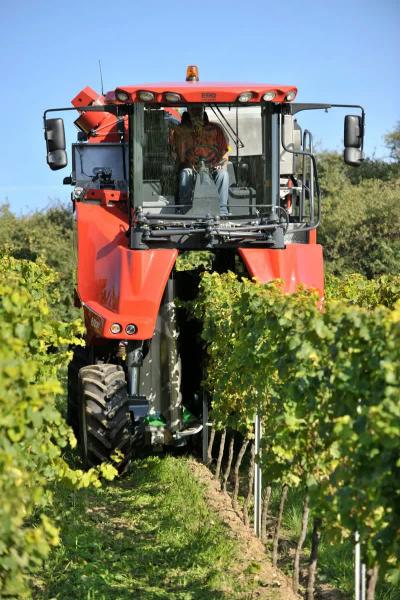
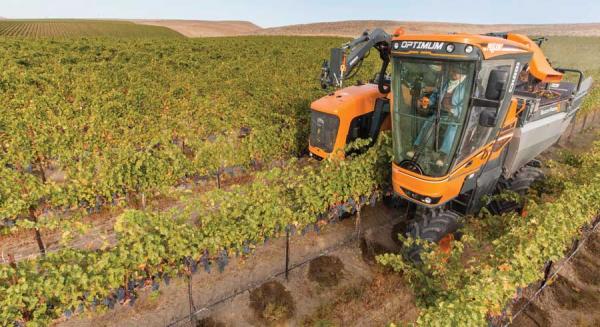
Introduction
The evolution of grape harvesting has significantly transformed the viticulture industry, particularly in regions like California's Napa Valley, Australia's Barossa Valley, and France's Bordeaux. As labor shortages and the high cost of manual labor become pressing issues, mechanized grape harvesters have emerged as indispensable tools for vineyard owners. These machines not only enhance efficiency but also ensure the timely collection of grapes, which is crucial for maintaining wine quality.
Types of Grape Harvesting Machines
- Self-Propelled Harvesters
These machines are equipped with their own engines and are designed to straddle the vine rows. They offer high mobility and can navigate various terrains, making them suitable for large-scale vineyards. Notable models include:- New Holland Braud Series: Known for their flexible shaking system and gentle handling of grapes. The 9090X model boasts a 190 hp engine and advanced sorting capabilities.
- Gregoire GL8.6: Features a 190 hp Deutz engine and a hydrostatic transmission, ensuring efficient harvesting even on steep slopes.
- Oxbo 3130: A maneuverable harvester designed for tight turns, making it ideal for vineyards with narrow rows.
- Tow-Behind Harvesters
These machines are towed by a tractor and are generally more cost-effective than self-propelled units. They are suitable for vineyards with larger row spacings and flatter terrains. Examples include:- Pellenc Grapes'Line: Offers a harvesting capacity of 3,600 liters, equivalent to that of a self-propelled harvester, while remaining more affordable.
- Alma MAV: A tractor-mounted harvester with a 600-liter bin capacity, designed for smaller vineyards.
- Automated and Robotic Harvesters
With advancements in artificial intelligence, some manufacturers are developing robotic harvesters capable of selective picking. These machines aim to reduce labor costs and improve harvesting precision. However, they are still in the experimental phase and not widely adopted.
Key Considerations When Choosing a Grape Harvester- Vineyard Size and Terrain: Larger vineyards with varied terrains may benefit from self-propelled harvesters, while smaller, flatter vineyards might opt for tow-behind models.
- Grape Variety: Some grape varieties are more delicate and may require gentler harvesting methods to prevent damage.
- Budget: While self-propelled harvesters offer advanced features, they come at a higher cost. Tow-behind models provide a balance between functionality and affordability.
- Maintenance and Support: Choose manufacturers that offer robust after-sales support and readily available spare parts.
Conclusion
The adoption of grape harvesting machines has revolutionized the viticulture industry, offering solutions to labor challenges and enhancing operational efficiency. By carefully evaluating the specific needs of a vineyard, owners can select the most suitable harvesting equipment to ensure the timely and quality collection of grapes. As technology continues to advance, the future of grape harvesting looks promising, with innovations aimed at further improving efficiency and grape quality.
|
|
|
|
| Grove Cranes: A Legacy of Innovation and Reliability |
|
Posted by: MikePhua - 09-12-2025, 09:32 PM - Forum: General Discussion
- No Replies
|
|
Introduction
Grove Cranes, a renowned name in the heavy equipment industry, has been at the forefront of mobile hydraulic crane manufacturing for decades. Established in 1947 by John L. Grove, his brother Dwight L. Grove, and friend Wayne A. Nicarry in Shady Grove, Pennsylvania, the company began by producing rubber-tired farm wagons. Over time, Grove transitioned into crane manufacturing, introducing groundbreaking innovations that have shaped the industry.
Innovations and Milestones
Grove's commitment to innovation led to several industry firsts: - 1952: Introduced the mobile hydraulic crane, revolutionizing lifting capabilities.
- 1968: Developed the world's first slewing rough terrain crane, enhancing maneuverability on uneven surfaces.
- 1970: Pioneered the trapezoidal boom design, improving strength and load distribution.
- 1994: Became the first international multi-facility crane manufacturer to receive ISO 9001 quality assurance certification.
In 2002, Grove was acquired by The Manitowoc Company, further strengthening its position in the global crane market.
Product Range and Capabilities
Grove's diverse product lineup includes:- All-Terrain Cranes: Designed for both on-road and off-road applications, offering versatility and high lifting capacities.
- Rough Terrain Cranes: Specialized for challenging job sites, featuring robust tires and high ground clearance.
- Truck-Mounted Cranes: Mounted on trucks for mobility, suitable for various lifting tasks.
- Industrial Cranes: Tailored for specific industrial applications, providing precision and reliability.
- Military Cranes: Custom-built cranes meeting the rigorous demands of military operations.
These cranes range in lifting capacities from 8.5 to 550 USt (United States tons), catering to a wide array of lifting needs.
Common Issues and Maintenance Tips
While Grove cranes are known for their durability, operators may encounter certain issues:- Hydraulic System Leaks: Regularly inspect hoses, fittings, and cylinders for leaks.
- Slow or Erratic Movements: Check hydraulic fluid levels and quality; replace filters as needed.
- Electrical System Failures: Examine wiring and connectors for corrosion or damage.
Implementing a preventive maintenance schedule, including fluid checks, filter replacements, and system tests, is vital to ensure optimal performance.
Legacy and Longevity
The durability of Grove cranes is exemplified by the RT-58 model, purchased in 1962 by JJ Curran Crane Company. Remarkably, this crane has completed over 300 jobs in the past seven years, showcasing Grove's commitment to quality and longevity.
Conclusion
Grove Cranes continues to be a leader in the crane manufacturing industry, known for its innovative designs, diverse product offerings, and commitment to quality. Whether for construction, industrial, or military applications, Grove cranes provide reliable solutions that stand the test of time.
|
|
|
|
| Bobcat 863 Seat Bar Sensor Issues |
|
Posted by: MikePhua - 09-12-2025, 09:31 PM - Forum: Troubleshooting & Diagnosing
- No Replies
|
|
Introduction
The Bobcat 863, a versatile skid steer loader, is equipped with safety mechanisms to ensure operator protection. One such feature is the seat bar sensor, which detects the position of the seat bar to prevent operation when the operator is not properly seated. However, over time, these sensors can malfunction, leading to operational issues.
Understanding the Seat Bar Sensor
The seat bar sensor is an integral part of the Bobcat 863's safety system. It comprises a switch located under the seat bar that communicates with the machine's control system. When the seat bar is in the raised position, the sensor detects this and disables certain machine functions to prevent unintended operation. Conversely, when the seat bar is lowered, the sensor allows the machine to operate normally.
Common Issues and Symptoms
- Intermittent Operation: The machine may operate normally at times but intermittently shut down or fail to start. This inconsistency is often linked to a faulty seat bar sensor.
- Hydraulic Lockout: A malfunctioning sensor can cause the hydraulic system to lock out, preventing the loader arms from functioning.
- Warning Lights: The seat bar warning light may illuminate, indicating a problem with the sensor or its wiring.
Diagnostic Steps
- Visual Inspection: Check the seat bar and its components for any visible signs of damage or wear.
- Wiring Check: Inspect the wiring connected to the seat bar sensor for any loose connections, corrosion, or damage.
- Sensor Testing: Using a multimeter, test the sensor's continuity to ensure it is functioning correctly.
- Bypass Test: Temporarily bypassing the sensor can help determine if it is the source of the problem. However, this should only be done for diagnostic purposes and not as a permanent solution.
Solutions
- Cleaning and Tightening: Sometimes, cleaning the sensor and tightening the connections can resolve minor issues.
- Sensor Replacement: If the sensor is found to be faulty, replacing it with a new one is the most effective solution.
- Wiring Repair: Repairing or replacing damaged wiring can restore proper sensor function.
Preventive Measures- Regular Inspections: Conduct routine checks of the seat bar sensor and its components to identify potential issues early.
- Proper Maintenance: Ensure that all safety features, including the seat bar sensor, are maintained according to the manufacturer's recommendations.
- Operator Training: Educate operators on the importance of the seat bar sensor and proper usage to prevent unnecessary wear and tear.
Conclusion
The seat bar sensor is a critical component of the Bobcat 863's safety system. Understanding its function and addressing issues promptly can ensure the machine operates safely and efficiently. Regular maintenance and attention to this component can prevent unexpected downtime and costly repairs.
|
|
|
|
| Reinstalling and Bleeding Deck Turn Rams on DRMCO Motor Graders |
|
Posted by: MikePhua - 09-12-2025, 09:31 PM - Forum: Troubleshooting & Diagnosing
- No Replies
|
|
The DRMCO Blade Rotation System and Its Mechanical Design
DRMCO motor graders, though no longer in mainstream production, remain in service across Australia and New Zealand due to their rugged build and straightforward mechanical systems. One of the more nuanced components of these graders is the deck turn mechanism, which allows the moldboard (blade) to rotate horizontally for angled grading. This rotation is controlled by hydraulic cylinders known as deck turn rams.
These rams are mounted between the grader frame and the crank arms that pivot the blade. When activated, they extend or retract to rotate the moldboard. Over time, the seals within these rams degrade, leading to hydraulic leaks, loss of pressure, and erratic blade movement. Replacing the seals is a common maintenance task, but reinstalling the rams and bleeding air from the system requires precision to avoid damaging the crank arms or misaligning the blade.
Preparation and Safety Before Reinstallation
Before removing or reinstalling deck turn rams, the blade must be securely grounded. This prevents unintended movement and ensures that the crank arms remain in a fixed position. If the blade shifts while the rams are disconnected, the crank arms can rotate independently, making reinstallation difficult and potentially hazardous.
Operators should: - Lower the blade fully to the ground
- Shut down the hydraulic system and relieve pressure
- Mark the crank arm positions to preserve alignment
- Inspect the ram mounting points for wear or distortion
In one case, a grader operator in Narrabri, NSW, noted that keeping the blade stationary during ram removal simplified the reinstallation process significantly. The crank arms remained aligned, and the hydraulic system could be re-pressurized without mechanical interference.
Reinstallation Procedure and Air Bleeding Technique
Once the new seals are installed and the rams are ready for reattachment, the following steps are recommended:- Connect the rear end of each ram to the grader frame
- Use the hydraulic system to extend the rams slowly
- Loosen the hydraulic fittings slightly to allow trapped air to escape
- Manually push the ram rods back in until they align with the crank arm mounting points
- Reattach the front ends of the rams to the crank arms
- Tighten all hydraulic fittings and test the system under low pressure
This method allows air to bleed out gradually while maintaining control over ram movement. It also prevents hydraulic lock or erratic extension, which can damage the crank arms or misalign the blade.
Terminology annotation:- Bleeding: The process of removing trapped air from hydraulic lines or cylinders
- Crank arm: A pivoting lever that translates hydraulic motion into blade rotation
- Hydraulic fitting: A connector that joins hoses or pipes to hydraulic components
Avoiding Common Mistakes and Misalignments
One of the most frequent errors during reinstallation is attempting to force the ram rods into position without hydraulic assistance. This can bend the rods or damage the seals. Another mistake is failing to bleed the system properly, leading to spongy or delayed blade response.
To avoid these issues:- Always use controlled hydraulic pressure to extend or retract the rams
- Never torque fittings while under pressure
- Use thread sealant sparingly to avoid contamination
- Cycle the blade rotation several times after installation to ensure full range of motion
In one field repair, a technician attempted to reinstall the rams with the blade slightly elevated. The crank arms had shifted, and the ram rods could not be aligned. After lowering the blade and resetting the crank arms manually, the installation proceeded smoothly.
Hydraulic System Behavior and Long-Term Maintenance
Hydraulic systems in older graders like DRMCO models are sensitive to contamination and air ingress. After any repair involving cylinder removal, the system should be flushed and refilled with clean hydraulic fluid. Filters should be inspected and replaced if necessary.
Recommended maintenance intervals:- Hydraulic fluid change: Every 1,000 hours or annually
- Seal inspection: Every 500 hours or during seasonal service
- Ram rod lubrication: Monthly, especially in dusty environments
- Fitting torque check: After 10 hours of operation post-repair
Operators should also monitor for signs of internal leakage, such as fluid bypassing the seals or inconsistent blade movement. These symptoms may indicate improper seal installation or worn cylinder walls.
Lessons from the Field and Practical Advice
A grader operator in New Zealand shared that after reinstalling deck turn rams, he noticed a slight delay in blade rotation. Upon inspection, he found that one hydraulic fitting had not been fully tightened, allowing air to re-enter the system. After correcting the fitting and re-bleeding the ram, the blade responded instantly.
Another technician recalled a DRMCO grader used in flood recovery work, where the deck turn rams were repeatedly exposed to water and mud. Seal failure became frequent, prompting the team to install aftermarket wipers and protective boots on the ram rods. This extended seal life and reduced downtime.
Conclusion
Reinstalling and bleeding deck turn rams on DRMCO motor graders is a task that demands mechanical precision and hydraulic awareness. By grounding the blade, aligning crank arms, and using controlled hydraulic pressure, operators can restore full blade rotation without risking damage. With proper technique and preventative maintenance, these legacy machines continue to perform reliably in demanding conditions, proving that even older equipment can be kept in top shape with thoughtful care and field-tested wisdom.
|
|
|
|
| 2006 LBZ Duramax Diesel Engine: Performance, Reliability, and Common Issues |
|
Posted by: MikePhua - 09-12-2025, 09:30 PM - Forum: Parts , Attachments & Tools
- No Replies
|
|
Introduction
The 2006 LBZ Duramax engine, a 6.6-liter V8 turbocharged diesel, represents a significant milestone in General Motors' diesel engine development. Introduced in the Chevrolet Silverado and GMC Sierra 2500HD and 3500HD models, the LBZ is renowned for its robust performance and reliability. It was the first Duramax engine to feature the Allison 1000 six-speed automatic transmission, marking a notable advancement in GM's diesel technology.
Engine Specifications and Performance
The LBZ engine boasts a compression ratio of 16.8:1 and utilizes a Bosch high-pressure common-rail fuel system with a CP3.3 injection pump. This configuration delivers approximately 365 horsepower at 3,200 rpm and 660 lb-ft of torque at 1,600 rpm. The engine's design includes strengthened cylinder bores and upgraded main bearing materials, enhancing durability and supporting increased power and torque outputs.
Common Issues and Maintenance Considerations
While the LBZ engine is celebrated for its reliability, certain issues have been reported by owners and technicians: - Injector Harness Wear: Friction and corrosion in the injector harness can lead to misfires, particularly in cylinders 2 and 7.
- Water Pump Failures: The plastic impeller in the water pump may crack or slip, leading to overheating and poor coolant circulation.
- Glow Plug Module Failures: Malfunctions in the glow plug module can cause hard starts and cold misfires, triggering diagnostic trouble codes such as P0671–P0683.
- Transmission Limitations at High Horsepower: The Allison 1000 transmission, while robust, may require upgrades to clutches and valve body when engine power exceeds 500 hp.
- Piston Cracking at Elevated Power Levels: Engines modified to produce over 600 hp may experience piston cracking, typically along the wrist pin centerline, due to increased stress.
Fuel System Enhancements
The LBZ engine lacks a factory-installed lift pump, which can lead to fuel starvation and air in the fuel lines. Installing an aftermarket lift pump can improve fuel delivery and system reliability. Additionally, small cracks in the fuel filter housing can introduce air into the system, exacerbating starting issues.
Emissions Control and Tuning
Unlike its successor, the LMM, the LBZ engine does not include emissions control components such as the diesel particulate filter (DPF). This absence allows for more straightforward tuning and modification. The LBZ is compatible with EFI Live tuning, supporting DSP5 switchable tuning without the encryption issues found in later Duramax models.
Conclusion
The 2006 LBZ Duramax engine stands as a testament to GM's commitment to performance and reliability in diesel technology. Its robust design, coupled with the Allison 1000 transmission, offers a compelling package for both daily driving and heavy-duty applications. While certain maintenance considerations exist, proactive care and appropriate modifications can ensure the LBZ continues to deliver exceptional performance for years to come.
|
|
|
|
|



